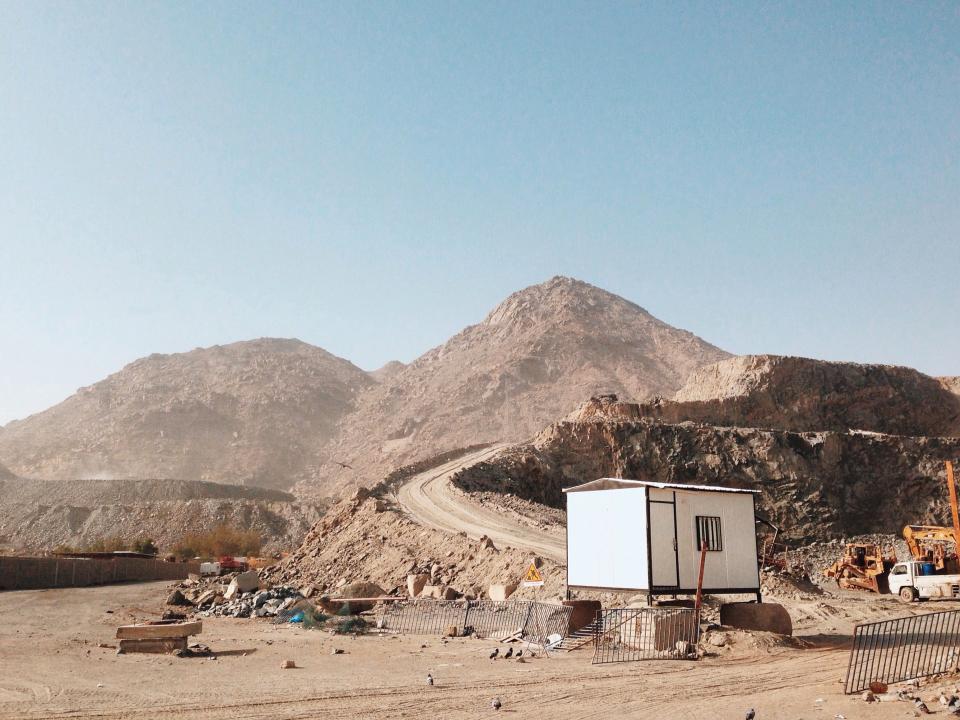
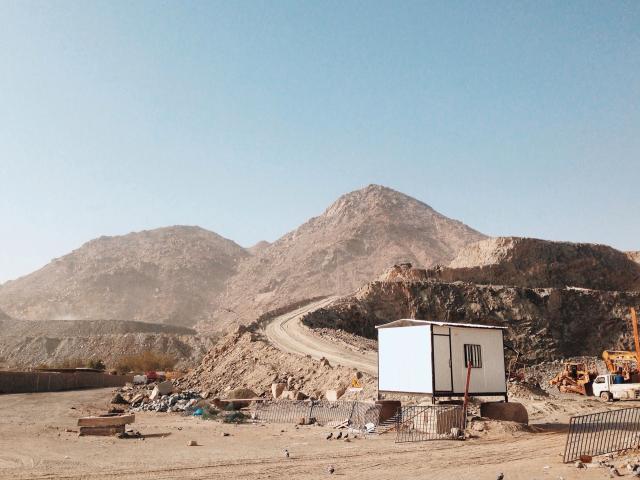
Establishing a remote project site is a complex logistical challenge. Whether the work involves a road upgrade in regional Queensland, a solar farm in western New South Wales or a pipeline across pastoral land, project managers must organise facilities, services, safety systems and supply chains in locations far from towns and infrastructure.
Getting the setup right from the beginning prevents delays, protects workers and keeps projects on budget.
Early Planning and Site Assessment
Before mobilising, conduct a thorough site assessment. Consider access roads and their condition, ground stability, flood risk, proximity to services, mobile coverage and local environmental or cultural heritage constraints. Engage with landholders, councils and traditional owners as required.
A clear understanding of site conditions informs every subsequent decision.
Site Layout
Plan the layout of the site compound carefully. Consider where offices, amenities, crib rooms, laydown areas, parking, fuel storage and waste facilities will be located. Separate heavy vehicle movements from pedestrian areas. Ensure emergency access routes are clear.
Position facilities to minimise walking distances while maintaining safety.
Office and Administration Facilities
Project teams need functional workspaces for planning, meetings, document control and communication. On remote sites, permanent buildings are rarely available. Mobile office trailers provide a practical solution, offering towable workspaces that can be delivered quickly, positioned close to the work front and relocated as the project progresses.
Look for units with insulation, air conditioning, adequate power outlets, lighting and space for meetings.
Power Supply
Remote sites often lack grid connections. Options include diesel generators, hybrid solar and battery systems, or a combination. Hybrid systems reduce fuel consumption, noise and emissions while providing reliable power.
Calculate power requirements for offices, amenities, lighting, tools and equipment to size systems appropriately.
Water and Sanitation
Workers need access to drinking water, handwashing facilities and toilets. Water may be supplied by delivery, bore or tanks. Sanitation systems may include portable toilets, self-contained amenities blocks or waste treatment systems.
Regular servicing schedules must be established, considering the distance service providers will travel.
Communications
Reliable communication is critical for safety and coordination. Assess mobile coverage and consider satellite internet, two-way radios, satellite phones and signal boosters. Establish communication protocols for emergencies.
Safety Systems
Remote sites require comprehensive safety planning. Develop emergency response plans covering medical emergencies, fire, severe weather and vehicle incidents. Ensure first aid kits, trained first aiders, fire extinguishers and emergency equipment are available. Identify the nearest medical facilities and evacuation routes.
Fatigue management is especially important where workers travel long distances or work extended shifts.
Supply Chain and Deliveries
Plan how materials, fuel, food and equipment will reach the site. Long travel distances and road conditions can affect delivery times. Build buffers into schedules and maintain adequate stock levels on site.
Coordinate deliveries to avoid congestion and minimise disruption.
Accommodation
Workers on remote projects may need accommodation, whether in nearby towns or on-site camps. Consider travel times, fatigue and costs when choosing options. Camps require additional facilities, including kitchens, laundries and recreation areas.
Environmental Management
Remote sites often sit in sensitive environments. Manage dust, erosion, waste, fuel spills and impacts on wildlife. Comply with environmental approvals and conditions. Rehabilitate disturbed areas at project completion.
Security
Isolated sites can be targets for theft of fuel, tools and materials. Secure compounds with fencing and gates, use lighting and cameras where possible, and store valuable equipment in lockable containers.
Weather and Seasonal Risks
Remote Australian sites face extremes that can halt work for days. Northern projects must plan for the wet season, when roads flood and access may be cut entirely. Inland sites face extreme heat, dust storms and bushfire risk. Southern alpine projects may contend with snow and ice.
Build seasonal risks into the program, stockpile essentials before high-risk periods and establish clear triggers for stopping work or evacuating personnel when conditions become unsafe.
Engaging With Local Communities
Remote projects often sit near small towns that feel the impact of increased traffic, noise and demand for services. Building positive relationships with local councils, businesses and residents pays dividends. Using local suppliers where possible, keeping the community informed about major activities and responding promptly to concerns helps maintain goodwill throughout the project.
Budget and Contingency
Remote sites carry costs that metropolitan projects rarely face, including long-distance freight, fuel, accommodation allowances and slower service response. Building realistic allowances for these items into the budget, along with a contingency for weather delays and access problems, protects margins. Reviewing actual costs against estimates each month helps identify problems early.
Demobilisation Planning
Plan for the end of the project from the start. Consider how facilities will be removed, waste disposed of and the site rehabilitated. Relocatable facilities simplify demobilisation.
Setting Up for Success
A well-planned remote site supports productivity, safety and worker wellbeing. By assessing conditions early, planning layout and services carefully, and choosing flexible, self-sufficient facilities, project managers can establish operations that run smoothly from the first day to the last.