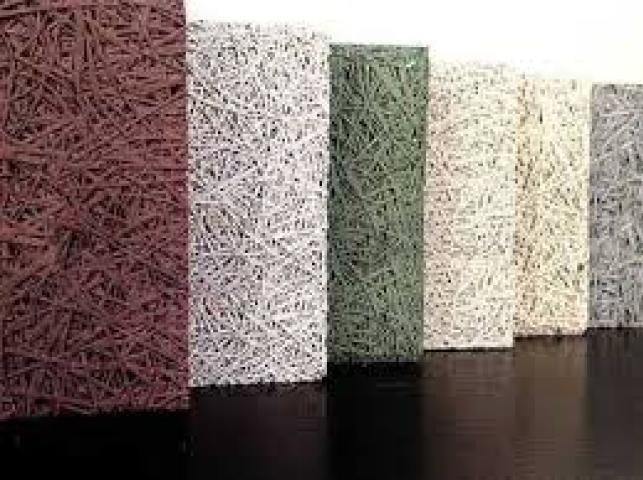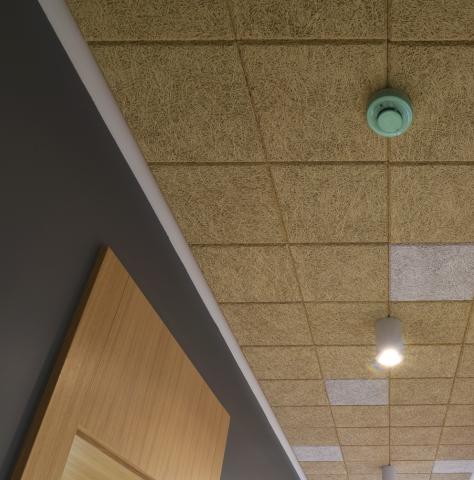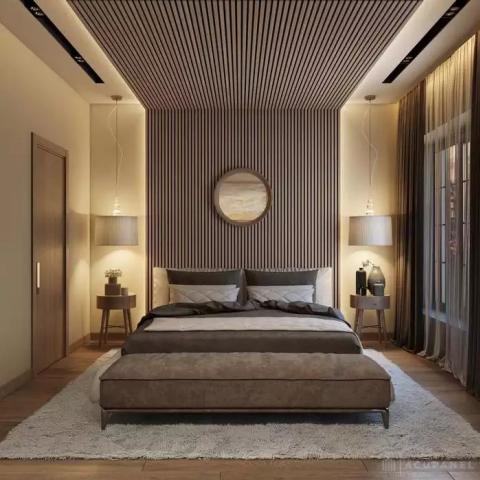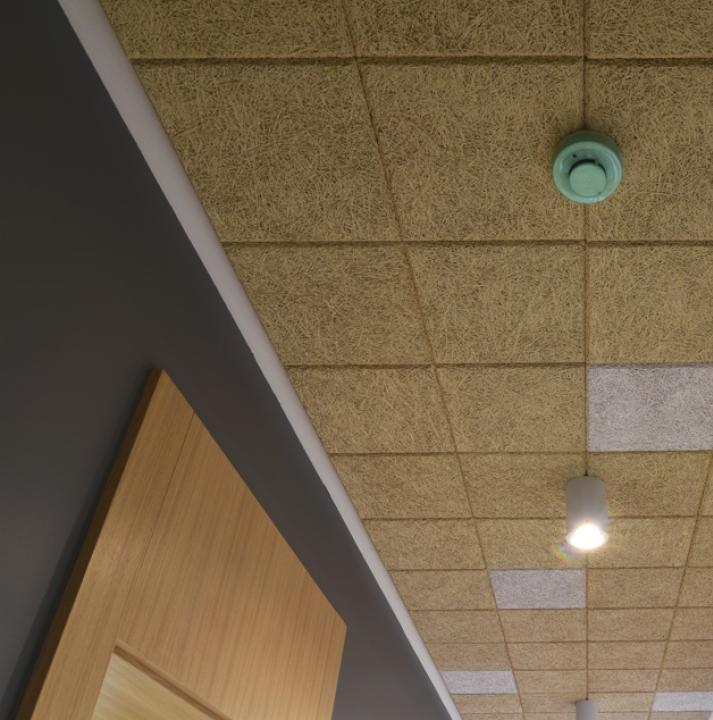
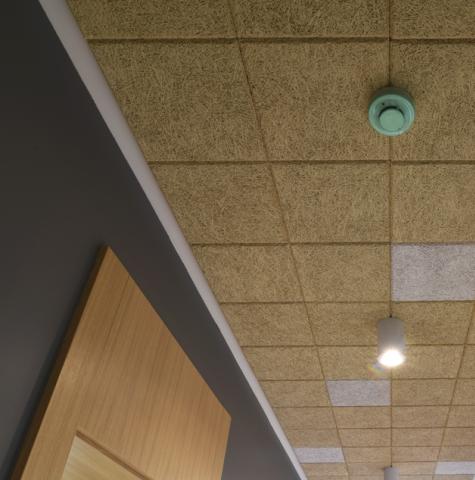
A wood wool acoustic panel looks simple: long wood fibres bound with cement or magnesite and pressed into a textured board. Yet many projects go wrong because buyers treat it as a plain decorative surface. A wood wool ceiling can reduce reverberation, add warmth, and resist fire, but only when it is specified and installed correctly.
In this guide, we walk through the most common mistakes made with a wood wool acoustic panel and show how a well-planned wood wool ceiling avoids them. Most of these errors are easy to prevent. They usually happen because decisions are made late, by people who have not looked at the acoustic side of the product. Knowing what to watch for saves money, time, and rework.
Treating a Wood Wool Acoustic Panel as Decoration
The biggest error is choosing by looks alone. A wood wool acoustic panel is a functional product first, and its open, fibrous structure is what traps sound. That is why a wood wool ceiling is popular in gyms, schools, and offices.
If you ignore tested data, you may end up with a surface that looks good but leaves the room noisy. Always request absorption values for the exact wood wool acoustic panel you plan to buy, not a similar one. Marketing language is not a substitute for a lab report.
Choosing the Wrong Thickness
Thickness drives low and mid frequency absorption. A 15 mm wood wool acoustic panel performs very differently from a 35 mm or 50 mm one. Many designers pick the thinnest option to save cost, then find the wood wool ceiling does little for speech and bass.
A thicker wood wool acoustic panel, ideally with a mineral wool backing, gives broader absorption. Match the thickness to the room's real problem, whether that is speech clarity, music, or general noise.
Skipping the Air Gap
Fixing a wood wool acoustic panel directly to a hard surface reduces its effectiveness. A suspended wood wool ceiling with a 100 to 200 mm cavity absorbs far more low frequency energy. Adding insulation in the void lifts results further.
Plan the depth early, because creating space for a wood wool ceiling later is costly. Ceiling height, ducts, and cables all need to be checked before the design is frozen.
Painting Over the Surface
Paint is the quickest way to ruin a wood wool acoustic panel. Heavy coats clog the fibres and close the pores that absorb sound. A painted wood wool ceiling can lose a large share of its performance, and the damage cannot be undone.
If colour is needed, choose factory finished boards or a light spray of breathable paint, and test a sample wood wool acoustic panel first. Apply the same caution to touch ups during maintenance.
Ignoring Moisture
Wood wool is mineral bonded, so it handles humidity better than most timber products, but it is not waterproof. A wood wool acoustic panel near a leaking roof or in a poorly ventilated pool hall can stain or degrade.
Specify a humidity resistant wood wool ceiling and fix leaks before installation. Never leave a wood wool acoustic panel uncovered outdoors during storage. Keep boards flat, dry, and off the ground until they are fixed.
Using the Wrong Fixing Method
Weak fixings cause sagging and visible gaps. Every wood wool ceiling needs a rated substructure, correct spacing, and suitable clips or screws. A heavy wood wool acoustic panel needs stronger support than a thin one.
Let installers acclimatise each wood wool acoustic panel on site before fixing it, because changes in moisture can shift dimensions slightly. A misaligned wood wool ceiling shows every joint. Follow the manufacturer's guide rather than improvising on site.
Overlooking Fire Ratings
Wood wool performs well in fire tests, and many boards reach high classifications. However, results depend on the exact product, so check the certificate for each wood wool acoustic panel. Never assume every wood wool ceiling meets local code.
Confirm the classification before purchase, particularly for schools and public buildings where a wood wool ceiling is common. Keep the paperwork, because inspectors often ask for it at handover.
Read to know more about wood wool ceiling here: Design & Functionality of Wood Wool Acoustic Panel, here’s Detailed Study
Covering too Little Area
A few boards on one wall rarely fix a noisy room. A full wood wool ceiling often gives the best coverage because the ceiling is the largest open surface. Aim for 30 to 50 percent coverage in echo prone rooms.
When walls also receive a wood wool acoustic panel, the balance improves and flutter echo reduces. One wood wool acoustic panel cannot replace proper planning. Spread the treatment evenly instead of clustering it in one corner.
Forgetting Lights, Sprinklers, and Services
A wood wool ceiling must work with lights, HVAC grilles, and sprinklers. Cutting holes on site can damage a wood wool acoustic panel and spoil its edges. Coordinate with engineers and order pre cut boards where possible.
A neat wood wool ceiling depends on early coordination between the acoustic, electrical, and mechanical teams. Late changes lead to ragged cuts and unhappy clients.
Overlooking Edges, Fibre Width, and Colour
Edge profiles change the look. Square edges give a crisp grid, while bevelled edges soften it. Fine fibres look refined and coarse fibres look rugged. Each wood wool acoustic panel type has its own acoustic and visual character, so compare both.
Check samples under real lighting, because a wood wool ceiling looks different under warm and cool light. Approve the sample in the actual room, not in a showroom.
Neglecting Maintenance
Wood wool is textured, so it collects dust over time. Vacuum a wood wool acoustic panel with a soft brush attachment and avoid wet cleaning. A well kept wood wool ceiling can last for decades.
Plan safe access for cleaning, especially where a wood wool ceiling is installed at height. A simple yearly routine keeps the surface fresh and the absorption intact.
Buying on Price Alone
Cheap boards may use weak binders, uneven fibres, or no test data. A low cost wood wool acoustic panel can crumble, shed fibres, or sag over time. Compare density, binder type, and warranty before deciding.
A quality wood wool ceiling is cheaper over its lifetime because it avoids replacement, repairs, and complaints from occupants.
Confusing Absorption with Soundproofing
A wood wool acoustic panel improves sound quality inside a room. It does not block sound between rooms. A wood wool ceiling will not stop footstep noise from the floor above without added mass and decoupling.
Set the right expectations before you begin. Real isolation needs heavy partitions, sealed gaps, and separated structures, with absorption added on top.
Not Using Experienced Installers
DIY errors are common, and they are expensive to correct. Experienced crews know how to cut a wood wool acoustic panel cleanly and align a wood wool ceiling accurately.
Use trained installers wherever possible, and ask to see earlier projects. Good workmanship shows in tight joints, level lines, and clean edges.
Final Thoughts
A wood wool acoustic panel is a smart, durable choice when handled well. Avoid these mistakes and your wood wool ceiling will look and perform beautifully. Before your next project, ask what each wood wool acoustic panel and wood wool ceiling must do beyond looks.
Planning a wood wool ceiling or wall installation? Connect with Tranquil Global for expert guidance, tested specifications, and reliable delivery.