API integration in healthcare enables seamless data exchange between systems, improving interoperability and enhancing patient care. By connecting various healthcare applications, APIs facilitate real-time data sharing, streamline workflows, and support..
Cloud security in healthcare is essential for protecting sensitive patient data while enabling seamless access to medical records and systems. Strong encryption, compliance with regulations like HIPAA, and robust access..
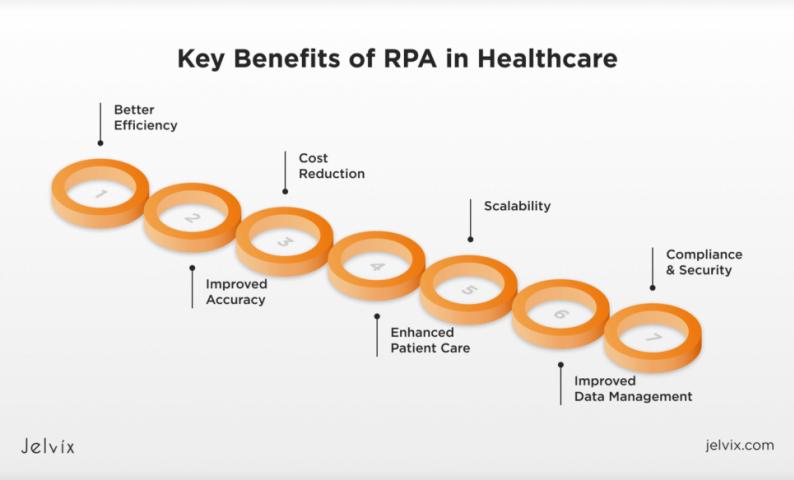
Robotic Process Automation (RPA) is transforming healthcare by automating routine tasks, reducing administrative burdens, and improving accuracy in data management. Through RPA, healthcare providers can streamline processes like billing, patient..
Modernizing healthcare software is key to enhancing system performance, improving patient outcomes, and meeting evolving industry regulations. By updating legacy systems, healthcare providers can benefit from increased security, interoperability, and..
An Enterprise Master Patient Index (EMPI) is essential for maintaining accurate and unified patient records across healthcare systems. By integrating EMPI, healthcare providers can reduce duplicate records, improve data accuracy,..
The ETL (Extract, Transform, Load) process is crucial in healthcare for converting raw data into meaningful insights that support better decision-making. This process enables efficient data integration, enhances data quality,..
Software as a Medical Device (SaMD) is transforming healthcare by enabling advanced diagnostics, monitoring, and treatment through standalone software solutions. SaMD offers unique benefits, including real-time data analysis and remote..
Mobile health (mHealth) apps are revolutionizing healthcare by providing tools for tracking fitness, managing chronic conditions, and improving patient engagement. These apps empower users with features like real-time health monitoring,..
Developing a custom healthcare CRM system allows providers to improve patient relationship management through tailored engagement, streamlined communication, and enhanced data organization. A well-designed CRM can centralize patient information, personalize..
Effective patient retention strategies are vital for fostering loyalty and improving long-term health outcomes. Techniques such as personalized communication, follow-up care, and leveraging digital health tools can enhance patient engagement..
Access to dependable medical support is an important part of maintaining a healthy life>Healthcare Services Miami FL provide individuals and families with access to a wide range of professional services..
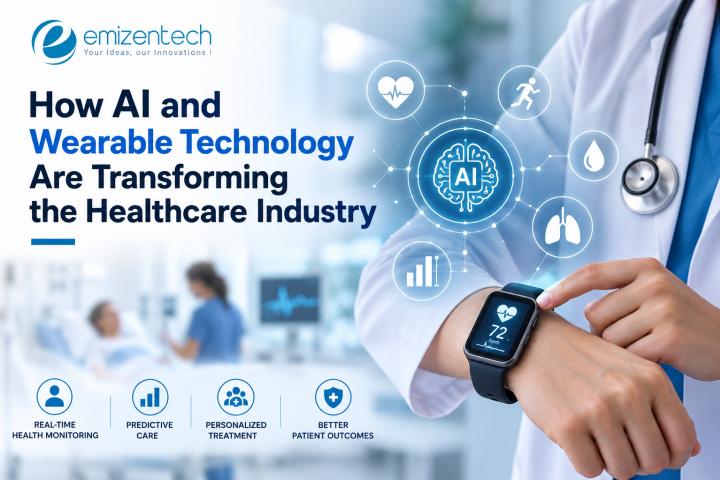
AI and wearable technology are changing how healthcare is delivered, monitored, and managed. Smartwatches, biosensors, fitness trackers, and connected medical devices can collect health data continuously, while artificial intelligence can..
Virtual environments can give healthcare professionals new ways to practice procedures, explore medical scenarios, and learn in interactive settings. As a Metaverse healthcare development company, Arizing Pixel combines 3D environments,..
Bitcot helps healthcare organizations turn ideas into scalable mobile applications. From patient engagement and telemedicine to health records, remote monitoring, AI, and wearable integrations, we build mobile solutions designed for..
Discover the key factors that affect healthcare software development costs in 2026. Learn about development stages, features, technology choices, security requirements, and ongoing maintenance to better estimate your healthcare software..
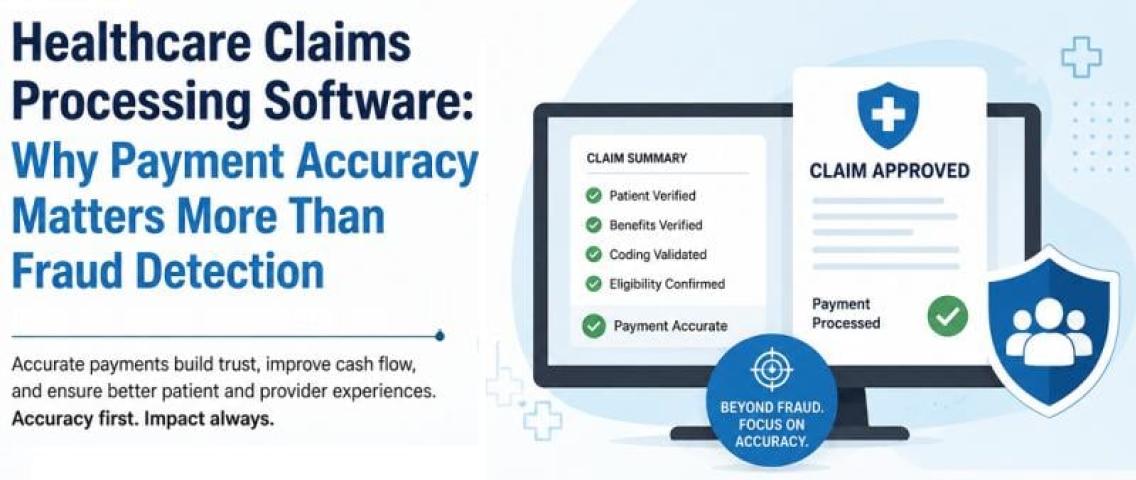
Payment accuracy is becoming a critical priority for healthcare payers and TPAs. This article explores how modern healthcare claims processing software helps reduce payment errors, improve first-pass accuracy, minimize denials,..
Security in healthcare software rarely fails at the obvious places. It fails in the gaps between systems, in the handoff where one service trusts another a little too much, in..
Artificial intelligence is rapidly reshaping healthcare across the United States. Hospitals, clinics, telehealth providers, insurance companies, and healthcare startups are adopting AI to improve patient outcomes, reduce administrative burdens, and..