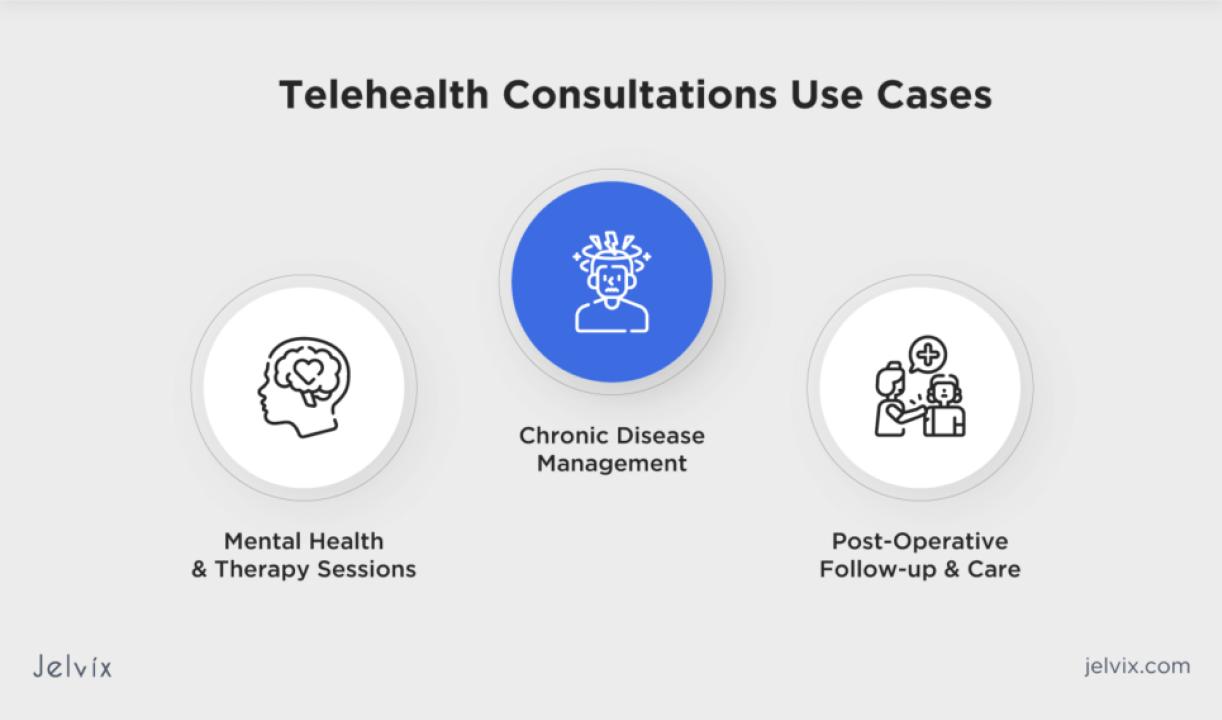
Remote patient monitoring solutions offer a transformative approach to healthcare, enabling continuous tracking of patient health outside clinical settings. These solutions improve chronic disease management, reduce hospital readmissions, and enhance overall patient engagement. By leveraging advanced technologies like IoT and wearable devices, healthcare providers can deliver personalized care remotely. For more examples and detailed use cases, please visit Jelvix blog: Telemedicine and Remote Patient Monitoring: Challenges and Use Cases.
Remote Patient Monitoring Services

Written by
garciespeter
709 days ago
Related articles:
Yellow Fever Vaccine in Dubai at JTS Medical Centre

Planning an international trip to Africa or South America? Don’t let vaccination requirements become a last-minute travel concern. Yellow fever vaccination can be an important part of preparing for travel..
Healthcare Claims Management Market Size, Share, Trends & Forecast 2034
IMARC Group, a leading global market research and management consulting firm, has published its latest market intelligence report on the healthcare claims management market. The global healthcare claims management market..
Free Breast Cancer Screening in Dubai 2026

Breast health is an important part of preventive healthcare, and regular screening can help identify breast changes that may need further medical evaluation. JTS Medical Centre in Dubai supports breast..
A Practical Guide to SEO for Healthcare Websites
The internet has become an important source of information for people researching healthcare. From finding specialists and clinics to learning about treatments and diagnostic services, users increasingly turn to search..
How Healthcare Businesses Can Strengthen Their Online Presence With SEO
Patients today have more ways than ever to research healthcare providers. Search engines are often the first place people go when they want to find a doctor, explore a treatment,..
Healthcare Services Miami FL: Supporting Better Health and Well-Being

Access to dependable medical support is an important part of maintaining a healthy life>Healthcare Services Miami FL provide individuals and families with access to a wide range of professional services..
How AI and Wearable Technology Are Transforming the Healthcare Industry
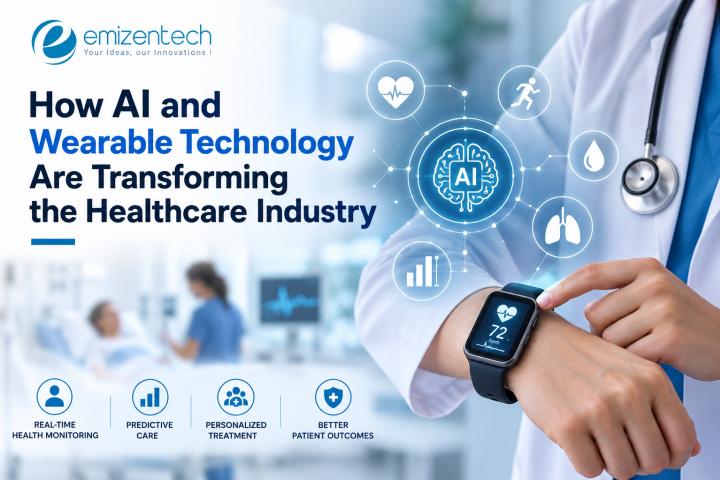
AI and wearable technology are changing how healthcare is delivered, monitored, and managed. Smartwatches, biosensors, fitness trackers, and connected medical devices can collect health data continuously, while artificial intelligence can..
Metaverse Healthcare Development Company Creating Immersive Medical Experiences
Virtual environments can give healthcare professionals new ways to practice procedures, explore medical scenarios, and learn in interactive settings. As a Metaverse healthcare development company, Arizing Pixel combines 3D environments,..
Healthcare Mobile App Development Company for Digital Health Solutions
Bitcot helps healthcare organizations turn ideas into scalable mobile applications. From patient engagement and telemedicine to health records, remote monitoring, AI, and wearable integrations, we build mobile solutions designed for..
Healthcare Software Development Cost: Complete 2026 Guide
Discover the key factors that affect healthcare software development costs in 2026. Learn about development stages, features, technology choices, security requirements, and ongoing maintenance to better estimate your healthcare software..
EHR integration api

API integration in healthcare enables seamless data exchange between systems, improving interoperability and enhancing patient care. By connecting various healthcare applications, APIs facilitate real-time data sharing, streamline workflows, and support..
Cloud Security in Healthcare
Cloud security in healthcare is essential for protecting sensitive patient data while enabling seamless access to medical records and systems. Strong encryption, compliance with regulations like HIPAA, and robust access..
Robotic process automation in healthcare
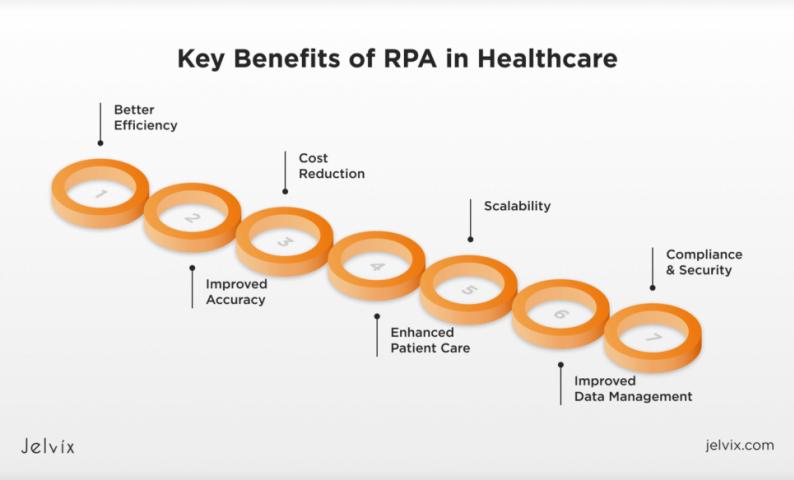
Robotic Process Automation (RPA) is transforming healthcare by automating routine tasks, reducing administrative burdens, and improving accuracy in data management. Through RPA, healthcare providers can streamline processes like billing, patient..
Healthcare software modernization

Modernizing healthcare software is key to enhancing system performance, improving patient outcomes, and meeting evolving industry regulations. By updating legacy systems, healthcare providers can benefit from increased security, interoperability, and..
Master patient index

An Enterprise Master Patient Index (EMPI) is essential for maintaining accurate and unified patient records across healthcare systems. By integrating EMPI, healthcare providers can reduce duplicate records, improve data accuracy,..
ETL process
The ETL (Extract, Transform, Load) process is crucial in healthcare for converting raw data into meaningful insights that support better decision-making. This process enables efficient data integration, enhances data quality,..
Software as a medical device

Software as a Medical Device (SaMD) is transforming healthcare by enabling advanced diagnostics, monitoring, and treatment through standalone software solutions. SaMD offers unique benefits, including real-time data analysis and remote..
mHealth Apps

Mobile health (mHealth) apps are revolutionizing healthcare by providing tools for tracking fitness, managing chronic conditions, and improving patient engagement. These apps empower users with features like real-time health monitoring,..