Henna has long been an integral part of cultural traditions across multiple continents, symbolizing beauty, celebration, and personal expression. Originating from ancient civilizations, it has evolved into a global phenomenon, celebrated in weddings, festivals, and even modern-day fashion. This blog explores the impact of henna across different cultures, highlighting the unique designs and patterns that define its artistic significance.
Henna in South Asia
Cultural Significance
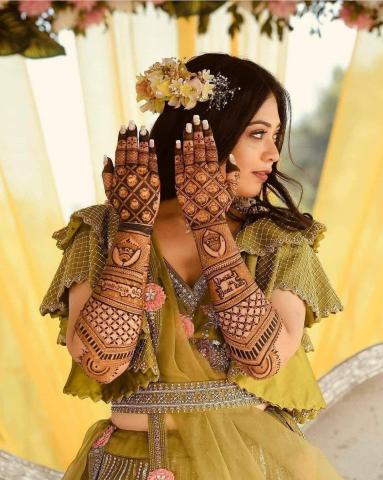
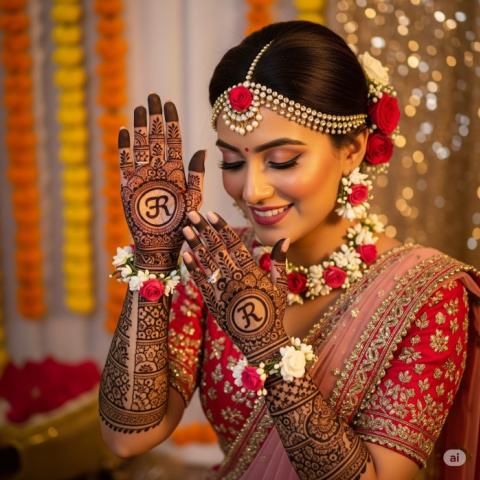
In South Asian countries like India, Pakistan, and Bangladesh, henna (or mehndi) holds deep cultural importance, particularly in weddings and festivals like Diwali and Eid. Brides adorn their hands and feet with intricate henna designs, symbolizing prosperity, love, and luck.
Designs and Patterns
South Asian henna designs are highly detailed and intricate, often covering the entire hand. Common motifs include:
- Paisleys: Teardrop-shaped figures symbolizing abundance.
- Floral patterns: Representing beauty and growth.
- Peacocks: Signifying elegance and grace.
- Hidden names: Brides often include their spouse’s initials within the design.
Henna in the Middle East
Traditional Use
In Arabian and Persian cultures, henna is used during weddings, religious celebrations, and milestone events. It is applied to brides, newborns, and even in medicinal practices for cooling the body.
Designs and Patterns
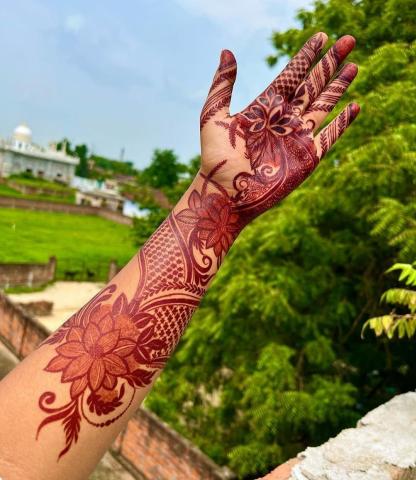
Middle Eastern henna designs differ from South Asian >
- Large floral motifs: Inspired by nature, giving an elegant appearance.
- Vine-like patterns: Symbolizing life and eternity.
- Mandala shapes: Representing harmony and spirituality.
Henna in Africa
Historical Use
In North African cultures, including Egypt and Morocco, henna dates back thousands of years. Ancient Egyptians used henna for cosmetic, medicinal, and ritualistic purposes. Moroccan women apply henna during celebrations, seeing it as a form of protection and good luck.
Designs and Patterns
African henna patterns differ in boldness and simplicity:
- Geometric shapes: Triangles, diamonds, and squares to represent balance.
- Dots and linear designs: More abstract and symbolic, emphasizing protection.
- Berber symbols: Sacred tribal patterns with deep meanings.
Henna in Europe
Introduction and Influence
Henna made its way to Europe through cultural exchanges, migrations, and colonial connections. Today, it is a popular form of body art, often used in festivals and fashion industries.
Designs and Patterns
Henna in Europe merges traditional >
- Tattoo-> Western henna artists mimic ink tattoos.
- Minimalist aesthetics: Simple, delicate patterns.
- Fusion of > Mixing Indian, Arabic, and African elements.
Henna in the Americas
Adoption and Evolution
Henna is widely used in the Americas, particularly in bohemian and wellness circles. It has also been adopted by Indigenous communities for traditional rituals.
Designs and Patterns
Henna designs in the Americas vary but often include:
- Contemporary artistic henna: Experimental shapes and abstract forms.
- Symbolic patterns: Often inspired by Indigenous culture and nature.
- Festival henna: Bold, playful designs seen in music festivals.
Cross-Continental Influences and Comparisons
- Common symbolism: Beauty, luck, spirituality, and celebration.
- Variation in artistry: Some cultures favor dense intricate designs, while others embrace open-flowing patterns.
- Modern adaptations: Fusion of >
Conclusion
Henna is more than just an art form—it is a timeless tradition, connecting cultures through its rich designs and historical significance. As henna continues to evolve, it bridges heritage and modern aesthetics, solidifying its place in global beauty and self-expression.
Would you like me to add more details to any section?