Introduction:
The role of a Scrum Master is crucial in ensuring that Agile frameworks, particularly Scrum, are implemented effectively. In this fast-paced, ever-evolving industry, a Scrum Master’s skills and tools determine the success of Agile teams. Whether you’re just starting or looking to elevate your career with a certified Scrum Master certification, knowing the right tools and skills can make all the difference.
In this blog post, we will delve into the tools and skills every Scrum Master needs, supported by real-world examples. We’ll also explore how Scrum and PSM certifications can equip you with the necessary expertise to thrive in Agile.

What Does a Scrum Master Do?
Before we dive into the specific tools and skills, let’s take a moment to clarify the role of a Scrum Master.
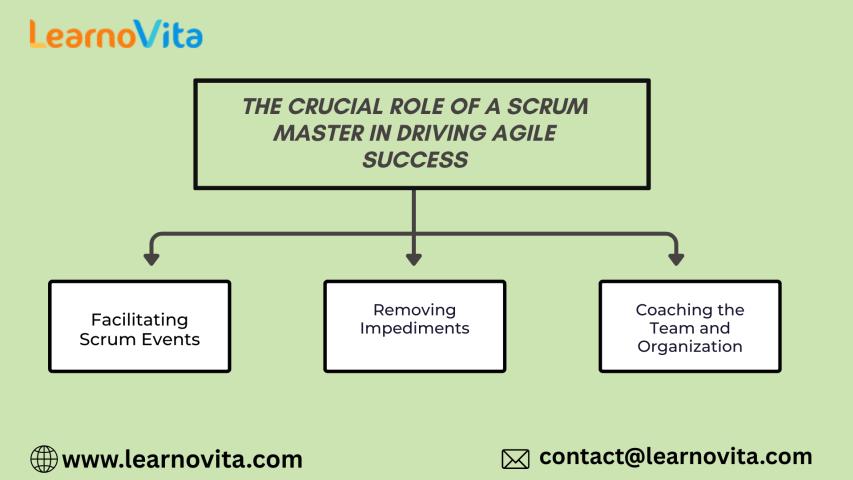
A Scrum Master is a facilitator who ensures that Scrum teams follow Agile principles effectively. They help remove obstacles, guide team members, foster communication, and ensure continuous improvement through Scrum practices. They also work closely with Product Owners and Scrum teams to deliver high-quality results in sprints.
Key Skills Every Scrum Master Must Have
Leadership and Coaching Skills
Leadership is more about influencing and guiding the team than about authority. Scrum Masters need to coach their teams and help them understand the Agile methodology.
Real-World Example: A Scrum Master coaches the team to move past roadblocks and continually improve. For instance, if a team struggles with communication, the Scrum Master will work on improving transparency and feedback loops.
Facilitation Skills
Scrum Masters must be excellent facilitators for Scrum ceremonies like Daily Stand-ups, Sprint Planning, Retrospectives, and Sprint Reviews. This skill ensures that the team stays on track, focused, and adheres to Scrum practices.
Real-World Example: In a Sprint Planning session, the Scrum Master ensures that the team’s goals are clear, helping them allocate tasks based on priority and capacity.
Conflict Resolution
Conflicts within a Scrum team can arise due to differing opinions or misunderstandings. A Scrum Master should possess strong conflict resolution skills to manage and resolve these situations without damaging team morale.
Real-World Example: If there’s tension between team members, the Scrum Master steps in to mediate and ensure that the conflict doesn’t disrupt the workflow.
Communication Skills
Effective communication is at the heart of Agile processes. Scrum Masters should excel at both listening and communicating ideas clearly to both the team and stakeholders.
Real-World Example: A Scrum Master communicates the progress of a sprint to the Product Owner, ensuring that both sides have clear expectations and understanding of deliverables.
Problem-Solving and Critical Thinking
A Scrum Master needs to be an expert problem-solver who can quickly identify issues and implement solutions to keep the project on track.
Real-World Example: When a sprint gets delayed due to a resource issue, the Scrum Master quickly proposes a workaround to keep the team moving forward.
Agile Mindset and Scrum Knowledge
A deep understanding of Scrum principles and the Agile mindset is essential. Scrum Masters need to help their teams fully embrace and implement Agile values.
Real-World Example: When a team is struggling to deliver, a Scrum Master helps them reflect on the sprint and identify how they can improve by adhering to Agile principles.
Essential Tools for Scrum Masters
In addition to these skills, a Scrum Master also needs a set of tools to facilitate smooth operations. Here are the tools that every Scrum Master should be familiar with:
Jira
Jira is one of the most widely used project management tools for Agile teams. It allows Scrum Masters to track sprints, tasks, and overall project progress. It’s a great tool for Scrum tracking, reporting, and generating detailed insights.
Real-World Example: During a sprint, the Scrum Master uses Jira to monitor tasks, identify blockers, and track the overall progress.
Trello
Trello is a visually engaging tool for managing tasks in an easy-to-understand board format. It’s perfect for small teams or for those just starting with Agile.
Real-World Example: Scrum Masters use Trello to organize daily tasks for team members, making it easy to monitor progress at a glance.
Confluence
Confluence helps Scrum teams collaborate by providing a centralized place for documentation. Scrum Masters use this tool to ensure that all necessary project information is accessible to everyone.
Real-World Example: The Scrum Master uses Confluence to share meeting notes, documentation, and sprint goals with the team.
Slack
Slack is an essential communication tool, especially in remote or hybrid work environments. It allows Scrum Masters to maintain continuous communication with team members.
Real-World Example: The Scrum Master uses Slack to quickly address any questions or concerns that arise during the sprint.
Miro
Miro is a collaborative whiteboard tool, perfect for virtual brainstorming sessions, retrospectives, and planning. Scrum Masters can use Miro to facilitate creative problem-solving sessions.
Real-World Example: During a retrospective, the Scrum Master uses Miro to help the team reflect on what went well and what needs improvement.
Zoom
For remote teams, Zoom is a must-have tool for conducting meetings and ceremonies like Sprint Planning or Retrospectives.
Real-World Example: The Scrum Master schedules and facilitates virtual meetings to keep the team engaged and aligned.
How Scrum Certification Enhances Your Skills
For those looking to pursue a career as a Scrum Master, scrum certification and PSM certification provide the perfect foundation. Here's why:
Structured Learning: Scrum certification programs teach Scrum Masters the necessary skills and tools needed to thrive in Agile environments.
Credibility: A Certified Scrum Master certification boosts your resume and demonstrates to employers that you possess the essential knowledge of Agile principles and practices.
Career Advancement: With a PSM certification, you enhance your chances of landing high-paying roles and advancing in your career.
Many Scrum Masters also choose advanced certifications as they progress in their careers, such as the Advanced Scrum Master Certification or Certified Scrum Professional. These help broaden your knowledge and deepen your expertise.
Conclusion:
To succeed as a Scrum Master, you need a combination of both soft and hard skills. From leadership and conflict resolution to using the right tools like Jira and Trello, your role requires continuous learning and adaptation. With the right Scrum Master training, you’ll gain the necessary skills and certifications to excel in this field.
If you’re ready to take your career to the next level, consider enrolling in H2K Infosys’ Professional Scrum Master course. Our comprehensive training will equip you with the skills, tools, and knowledge to become a certified Scrum Master and thrive in Agile environments.
Key Takeaways
Scrum Masters need leadership, facilitation, and problem-solving skills to lead successful teams.
Tools like Jira, Trello, and Miro are essential for tracking progress and facilitating team communication.
Scrum and PSM certifications enhance your skills and career prospects, giving you the credibility you need to succeed in the industry.