
PIR or ultrasonic occupancy sensors – a conundrum wrapped in a mystery! Both types of sensors serve the same purpose, but their ways are inscrutable. In this article, we will delve into the arcane and demystify the differences between the two.
Introduction
Occupancy sensors are crucial for building automation, and choosing the right one can be perplexing. They help reduce energy consumption and contribute to sustainability by turning off electrical devices when a room is empty. PIR and ultrasonic occupancy sensors are the most commonly used sensors in commercial buildings, but choosing between them can be a daunting task. In this article, we will help you understand the differences in PIR vs ultrasonic occupancy sensors and determine which one is right for you.
What are PIR and Ultrasonic Occupancy Sensors?
Before we unravel the enigma between PIR and ultrasonic occupancy sensors, let’s first understand what each of these sensors is.
PIR Occupancy Sensors
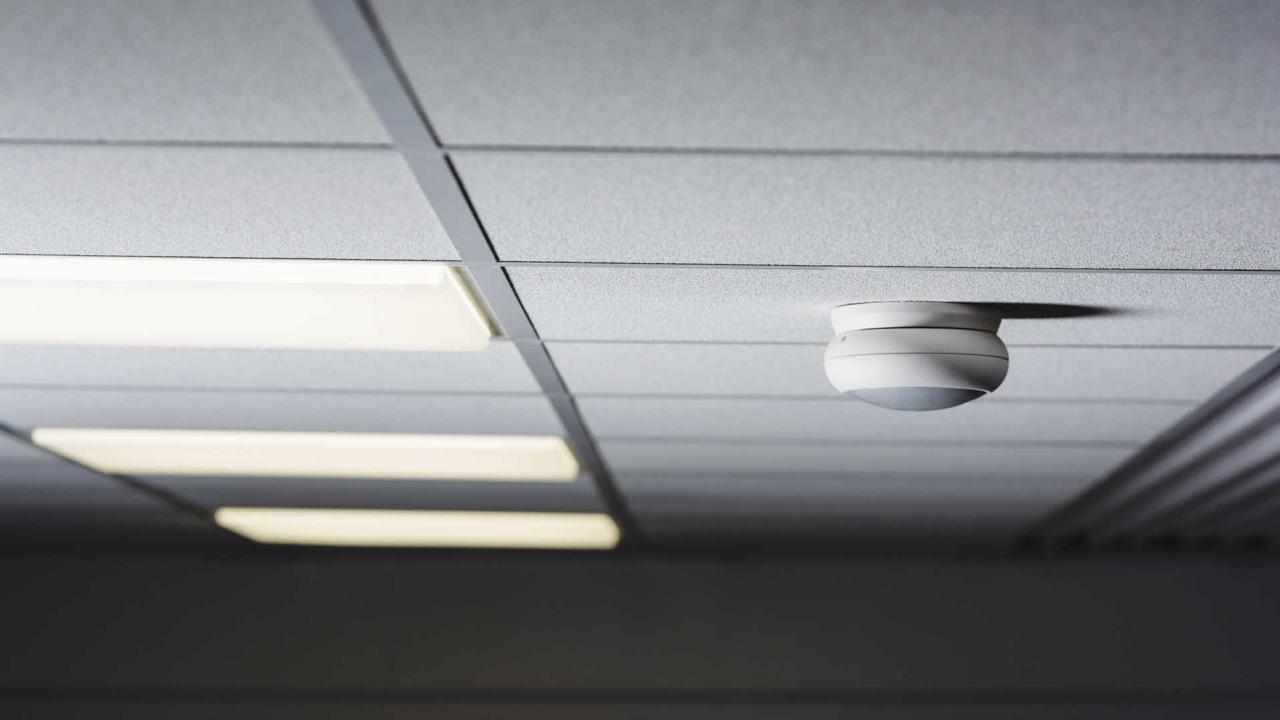
Passive Infrared (PIR) sensors detect changes in temperature. When a person enters a room, their body heat raises the temperature of the space, which the PIR sensor can detect. The sensor then sends a signal to the building automation system to turn on the lights or other devices. Typically mounted on the ceiling, PIR sensors can cover a range of up to 30 feet.
Ultrasonic Occupancy Sensors
Ultrasonic sensors use high-frequency sound waves to detect occupancy. When a person enters a room, they reflect sound waves back to the sensor, which triggers the building automation system to turn on lights or other devices. Like PIR sensors, ultrasonic sensors are also typically mounted on the ceiling and can cover a range of up to 30 feet.
Key Differences in PIR vs Ultrasonic Occupancy Sensors
While both types of sensors serve the same purpose, they work differently. Let’s take a closer look at the key differences between PIR and ultrasonic occupancy sensors.
Detection Method
The detection method is the most noticeable difference between the two sensors. PIR sensors detect temperature changes, while ultrasonic sensors detect sound waves. This means that PIR sensors are more sensitive to heat sources, such as sunlight or HVAC systems, while ultrasonic sensors are more sensitive to movement.
Sensitivity
Since PIR sensors detect temperature changes, they are more likely to trigger false alarms. For instance, if a room is near a sunny window, the sensor may detect the increase in temperature from the sun and turn on the lights, even if the room is unoccupied. On the other hand, ultrasonic sensors are less sensitive to temperature changes and more sensitive to movement. This makes them less likely to be triggered by false alarms.
Click here to read more: