Running a call center demands more than just phones—it needs a powerful communication system that supports high call volumes, real-time analytics, and seamless agent performance. At IP Phone Inc., we..
At IP Phone Inc., we specialize in VoIP Phone Services for small businesses, ensuring you never miss a call or opportunity.With over three decades of experience, our team brings expertise..
Your business deserves more than a basic phone line. Our PBX System for Small Business offers powerful features without the heavy price tag. Designed to scale with your team, it..
IP Phone Inc. is the best voice over IP (VoIP) phone service provider in New York. We provide affordable VoIP solutions to all businesses.We provide unparalleled value through Voice Over..
In today's digital age, communication is vital for businesses to thrive, and a robust communication system can make all the difference. With businesses constantly striving for efficiency and cost savings,..
We understand the unique challenges faced by small businesses, which is why we, as small business phone service providers, offer tailored solutions that are affordable, easy to manage, and packed..
AI in Customer Service is transforming the way businesses connect with customers. Imagine a world where no one is left waiting on hold. That world is here, powered by Calling..
IntroductionBy 2025, seamless top-quality voice communication will be a vital feature for applications and businesses all over the world. Voice Call APIs enable developers to incorporate real-time voice calling into..
IntroductionIn today’s digital era, businesses and enterprises rely heavily on instant communication to improve collaboration, customer engagement, and user experience. While several cloud-based chat solutions are available, many organizations prefer..
The Power of Virtual Assistant Outbound Calling
In the modern business landscape, effective communication is
paramount to driving growth and fostering client relationships. One of the
essential tools in this..
The UAE has a massive population of expatriates who are always looking for affordable options to stay in touch with their loved ones. Video calling apps are undoubtedly one of..
According to McKinsey’s 2026 State of AI survey, most organizations—about 78%—now use AI somewhere in their business. But here’s the catch: only 6% can call themselves “AI high performers.” That..
How much does a delayed market launch really cost your business?Most banks, fintechs, and financial institutions focus on building the right product, securing partnerships, and meeting compliance requirements before entering..
In today’s rapidly evolving financial landscape, businesses face increasing pressure to comply with stringent regulations and combat financial crimes. Anti-Money Laundering (AML) solutions have become critical tools for organizations looking..
You've spent hours crafting the perfect blog post. Your keyword research is spot-on, your content is engaging, and your on-page SEO is flawless. Yet weeks pass, and your content is..
Education is no longer confined to the four walls of a classroom. Technology has cracked open new pathways to learn, grow, and succeed — and the biggest catalyst in this..
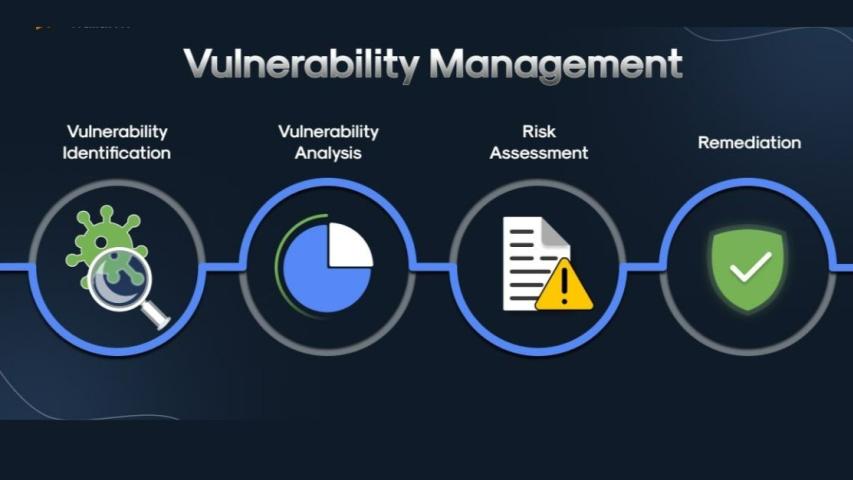
Cybersecurity threats continue to evolve as businesses rely increasingly on digital infrastructure, cloud platforms, connected devices, and remote working environments. Every system, application, and endpoint can introduce potential security risks..
Artificial intelligence is no longer something businesses are exploring only for the future. It is already being used to handle repetitive work, process large amounts of information, improve decision-making, and..