In recent years, India has witnessed a significant transformation in its financial landscape, thanks to the rise of digital payments and technologies. Among these advancements, AEPS B2B software has emerged as a game-changer, revolutionizing business-to-business (B2B) transactions. AEPS, or Aadhaar Enabled Payment System, is a secure and seamless method of financial transactions using biometric authentication, and its integration into B2B software has brought substantial benefits to businesses across India. In this article, we explore how AEPS B2B software is reshaping the way businesses interact with each other and the broader financial ecosystem.
What is AEPS B2B Software?
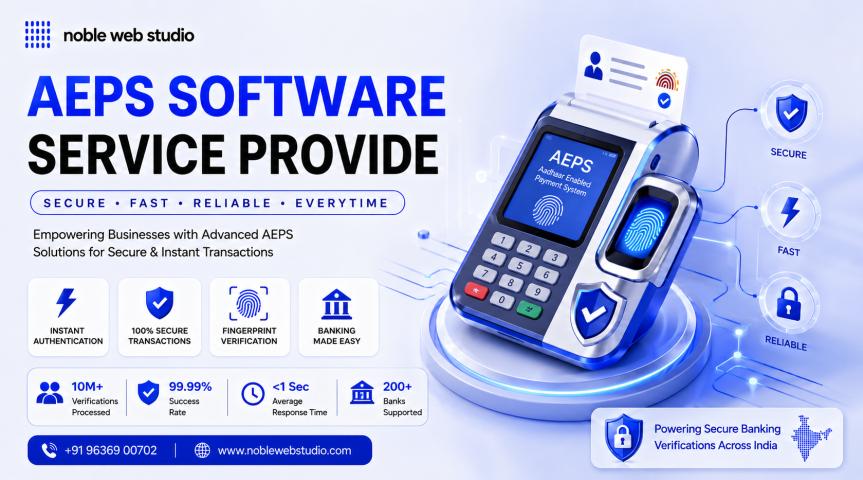
AEPS B2B software is a technological solution that enables businesses to conduct secure, efficient, and hassle-free financial transactions using the Aadhaar platform. By linking Aadhaar (India's unique identification number) with bank accounts, AEPS allows businesses to transfer funds, make payments, and settle transactions with minimal effort. The software leverages biometric authentication, such as fingerprint or iris scanning, to verify the identity of the person conducting the transaction, ensuring both security and convenience.
The AEPS B2B software integrates various banking features, enabling businesses to perform banking tasks such as fund transfers, cash withdrawals, and balance inquiries without requiring physical bank visits. With the help of this software, businesses can enhance their operational efficiency and reduce transaction costs.
The Role of AEPS B2B Software in Business Transactions
1. Streamlining Payments and Settlements
One of the key benefits of AEPS B2B software is its ability to streamline payments and settlements between businesses. Traditionally, B2B transactions in India involved multiple intermediaries, leading to delays and added costs. With AEPS B2B software, businesses can directly conduct transactions using the Aadhaar-linked bank accounts of both parties, eliminating the need for third-party involvement. This not only speeds up the process but also ensures that the payments are accurate and secure.
For example, suppliers can directly transfer payments to distributors or vendors using AEPS, and both parties can instantly verify the transaction using biometric authentication. This reduces the risk of errors and fraud, making B2B transactions more efficient.
2. Enhancing Security
Security is a primary concern when it comes to financial transactions, especially in B2B settings, where large sums of money are often involved. AEPS B2B software enhances the security of these transactions by using biometric verification. This method of authentication is far more secure than traditional passwords or PIN-based systems, as it is unique to the individual conducting the transaction.
Biometric data, such as fingerprints or iris scans, cannot be easily duplicated or hacked, providing a much higher level of protection against fraud. This feature is particularly crucial in B2B transactions, where trust and confidentiality are vital to maintaining business relationships.
3. Reducing Operational Costs
AEPS B2B software helps businesses significantly reduce operational costs by eliminating the need for intermediaries, paper-based processes, and manual verification. Traditional B2B payment methods often involve high processing fees, especially for cross-border transactions or large payments. By adopting AEPS, businesses can cut down on transaction fees, making the process more affordable and accessible.
Moreover, the integration of AEPS into business operations can reduce the costs associated with physical infrastructure such as bank branches, ATMs, and paperwork. The software’s digital-first approach ensures that businesses can handle transactions quickly and efficiently, without the need for extensive administrative support.
4. Improving Financial Inclusion
AEPS B2B software is not only a boon for large corporations but also for small and medium-sized enterprises (SMEs) and rural businesses. With the increasing adoption of smartphones and internet connectivity across India, even businesses in remote areas can benefit from AEPS-based transactions.
Many rural areas in India lack access to traditional banking infrastructure, making it difficult for local businesses to engage in formal financial transactions. AEPS B2B software removes this barrier by allowing businesses to complete financial transactions using just their Aadhaar card and biometric data, which can be easily verified on a mobile phone or computer.
This shift toward digital transactions promotes financial inclusion, helping SMEs and businesses in rural areas become part of the larger digital economy. It also reduces the need for cash transactions, which can be risky and cumbersome for businesses in remote locations.
5. Facilitating Real-Time Transactions
AEPS B2B software also facilitates real-time transactions, which is a significant advantage for businesses that require quick payments or need to settle accounts in a timely manner. Traditional payment methods often involve waiting for approval or processing, which can delay business operations and affect cash flow. With AEPS, transactions are processed instantly, ensuring that businesses can continue their operations without unnecessary delays.
This feature is especially beneficial for businesses in industries such as logistics, retail, and e-commerce, where fast payments are crucial to maintaining a smooth supply chain and ensuring timely deliveries.
6. Enabling Multi-Channel Payment Options
AEPS B2B software offers businesses the flexibility to make payments and conduct transactions through multiple channels, including mobile apps, websites, and ATMs. This multi-channel functionality ensures that businesses can access the system from anywhere, making it more convenient for companies to manage their financial activities across different platforms.
Whether a business is using a mobile device for on-the-go payments or a desktop system for larger transactions, AEPS ensures seamless integration across various channels, enabling businesses to work more efficiently and flexibly.
The Future of AEPS B2B Software in India
The future of AEPS B2B software in India looks promising, as the government continues to push for greater digitization of financial services and a cashless economy. As more businesses, both large and small, adopt AEPS B2B software, the financial ecosystem in India will continue to evolve, with increased security, efficiency, and inclusivity.
The integration of AEPS with other emerging technologies such as blockchain and artificial intelligence could further enhance the software’s capabilities, offering even more secure and efficient B2B transaction solutions. As businesses seek to modernize their financial systems, AEPS B2B software will likely play an even more central role in shaping the future of business transactions in India.
Conclusion
AEPS B2B software is transforming the way businesses in India conduct transactions, offering a more secure, efficient, and cost-effective way to manage payments and settlements. By streamlining processes, reducing costs, enhancing security, and promoting financial inclusion, AEPS B2B software is empowering businesses of all sizes to thrive in a digital economy.
For businesses looking to stay competitive in this digital-first world, adopting AEPS B2B software is a crucial step toward improving their financial operations and offering a seamless experience for clients, partners, and vendors. As a leading provider of AEPS solutions, noblewebstudio ensures that businesses can leverage the power of this technology to improve efficiency and stay ahead in an increasingly digital world.