Subsistence agriculture is one of the oldest forms of farming in human history, having sustained populations for thousands of years before the rise of industrial agriculture and globalized food markets.
It refers to a type of farming in which crops and livestock are produced primarily for the consumption of the farmer and their family, rather than for sale or trade.
Although largely practiced in developing countries and rural areas, the principles and impacts of subsistence agriculture are significant both historically and in contemporary discussions about sustainability, food security, and rural development.
Characteristics of Subsistence Agriculture
Subsistence agriculture is characterized by small-scale operations, limited use of technology, traditional farming methods, and minimal reliance on external inputs such as synthetic fertilizers or pesticides. Farmers often cultivate a variety of crops to meet their nutritional needs, a practice known as polyculture. This system contrasts with commercial agriculture, which focuses on monocultures and large-scale production intended for profit and mass distribution.
Key features of subsistence agriculture include:
Self-sufficiency: The primary goal is to feed the household. Surpluses, if any, may be bartered locally.
Traditional tools and methods: Farmers use tools such as hoes, plows drawn by animals, and irrigation techniques passed down through generations.
Low mechanization: There is minimal use of tractors, combine harvesters, or other modern farming equipment.
Dependence on manual labor: Families often provide most of the labor, including children.
Small land holdings: Plots are generally small and fragmented, reflecting inheritance patterns or land scarcity.
Types of Subsistence Agriculture
There are several types of subsistence agriculture practiced around the world, influenced by geography, climate, culture, and resources:
Shifting Cultivation (Slash-and-Burn): Practiced in tropical rainforest regions such as the Amazon, Central Africa, and Southeast Asia. Land is cleared by cutting and burning vegetation. After a few years of cultivation, soil fertility declines, and the farmer moves to a new area.
Pastoral Nomadism: Common in arid and semi-arid regions like the Middle East and parts of Africa. Communities move with their herds in search of fresh pastures and water. Livestock such as goats, camels, and sheep are integral to their survival.
Intensive Subsistence Farming: Prevalent in densely populated areas of Asia, such as India and China. Farmers use small plots of land intensively, often with the help of irrigation and manure, to grow rice, wheat, and vegetables.
Importance of Subsistence Agriculture
Despite the rise of commercial farming, subsistence agriculture remains vital for several reasons:
1. Food Security
For millions of people, especially in developing countries, subsistence agriculture provides their only reliable source of food. In regions where supply chains are weak or disrupted, local food production ensures sustenance.
2. Cultural Heritage
Subsistence farming is deeply embedded in cultural traditions and social structures. It involves traditional knowledge about local ecosystems, plant varieties, and farming cycles that have been refined over generations.
3. Biodiversity
Unlike monocultures that dominate industrial agriculture, subsistence farms often maintain a wide range of plant and animal species. This biodiversity contributes to ecological resilience and the preservation of genetic resources.
4. Environmental Sustainability
Though not always the case, subsistence agriculture can be more environmentally sustainable due to lower chemical inputs and the use of organic practices. Traditional ecological knowledge often encourages harmony with nature.
Challenges Facing Subsistence Farmers
Despite its importance, subsistence agriculture faces numerous challenges in the modern world:
1. Climate Change
Irregular weather patterns, droughts, floods, and soil degradation directly affect small farmers who depend heavily on natural conditions. With limited resources, adapting to these changes is a major hurdle.
2. Land Pressure
Rising populations and land fragmentation reduce the size of plots available for farming, making it increasingly difficult to sustain families through traditional means.
3. Lack of Access to Resources
Subsistence farmers often lack access to credit, modern tools, improved seed varieties, and agricultural extension services. This limits their productivity and resilience.
4. Market Exclusion
Even when subsistence farmers produce a surplus, they may face difficulty entering markets due to poor infrastructure, lack of knowledge, and exploitative pricing by middlemen.
5. Educational Barriers
Limited education and training reduce the capacity of farmers to adopt new techniques or improve farm management. This perpetuates cycles of poverty and underdevelopment.
The Future of Subsistence Agriculture
The future of subsistence agriculture lies in balancing traditional practices with innovations that improve sustainability, productivity, and livelihoods. A few strategies include:
1. Agroecology and Sustainable Farming
Integrating scientific knowledge with traditional methods can increase yields while preserving environmental health. Practices such as crop rotation, agroforestry, and organic fertilization enhance soil fertility and resilience.
2. Empowerment Through Education
Providing education and training for farmers, especially women who form a large proportion of the agricultural workforce, is crucial for improving productivity and food security.
3. Access to Microfinance
Microcredit schemes and cooperatives can help farmers invest in better seeds, tools, and infrastructure. Financial inclusion can also reduce vulnerability to economic shocks.
4. Climate-Resilient Techniques
Promoting drought-resistant crops, water harvesting methods, and early warning systems can help communities better adapt to climate variability.
5. Policy Support
Governments and international agencies must support subsistence farmers through land rights protection, rural development programs, and market access facilitation.
Conclusion
Subsistence agriculture may seem archaic in an age dominated by global supply chains and agribusiness, but it continues to play a critical role in feeding the world’s poorest and preserving the environment. Recognizing its value and addressing the challenges it faces is essential not only for the well-being of smallholder farmers but also for achieving broader goals of food security, biodiversity conservation, and sustainable development. In a rapidly changing world, the future of agriculture must include both high-tech innovations and time-tested traditional knowledge systems. Supporting and revitalizing subsistence farming is not just an act of preservation—it’s an investment in humanity’s resilience.
In a world grappling with climate change, population growth, and dwindling natural resources, the concept of sustainable agriculture has gained critical importance. Sustainable agriculture refers to the practice of farming that meets current food and textile needs without compromising the ability of future generations to meet their own needs. It emphasizes environmental health, economic profitability, and social and economic equity.
This article explores what sustainable agriculture is, its principles, methods, benefits, challenges, and its role in the future of food security and environmental conservation.
Defining Sustainable Agriculture
Sustainable agriculture is an integrated system of plant and animal production practices having site-specific applications that will, over the long term:
Satisfy human food and fiber needs.
Enhance environmental quality and the natural resource base upon which the agricultural economy depends.
Make the most efficient use of non-renewable resources and on-farm resources and integrate, where appropriate, natural biological cycles and controls.
Sustain the economic viability of farm operations.
Enhance the quality of life for farmers and society as a whole.
The term is broad and encompasses a variety of agricultural approaches, including organic farming, regenerative agriculture, permaculture, agroecology, and integrated farming systems.
Core Principles of Sustainable Agriculture
Sustainable agriculture is grounded in several fundamental principles:
Environmental Stewardship: Protecting the natural environment is paramount. Sustainable farming minimizes chemical inputs, promotes soil health, conserves water, and preserves biodiversity.
Economic Viability: A sustainable agricultural system must be profitable for farmers. It encourages resilient business models that can withstand market volatility and changing climate patterns.
Social Responsibility: Sustainable agriculture supports fair treatment of workers, strong rural communities, and access to nutritious food for all.
Resource Efficiency: It aims to reduce dependency on non-renewable inputs like synthetic fertilizers and fossil fuels by using natural processes and closed-loop systems.
Key Practices in Sustainable Agriculture
To achieve its goals, sustainable agriculture employs various methods and practices, including:
1. Crop Rotation and Diversity
Crop rotation prevents soil depletion, interrupts pest and disease cycles, and improves soil structure and fertility. Planting a diverse array of crops also increases resilience against climate shocks and pests.
2. Cover Cropping
Cover crops like clover or rye are grown not for harvest but to protect and enrich the soil. They prevent erosion, improve soil health, and reduce the need for chemical fertilizers.
3. Integrated Pest Management (IPM)
IPM combines biological, physical, and chemical tools to manage pests in a way that minimizes economic, health, and environmental risks.
4. Organic Farming
Avoiding synthetic inputs, organic farming relies on natural substances and processes to maintain soil fertility and control pests.
5. Agroforestry
This practice integrates trees and shrubs into crop and animal farming systems, enhancing biodiversity and reducing soil erosion while also yielding fruits, nuts, or timber.
6. Conservation Tillage
Reducing or eliminating tillage preserves soil structure, improves water retention, and reduces erosion and runoff.
7. Water Conservation
Efficient irrigation techniques such as drip systems and rainwater harvesting reduce water use and improve crop yield.
Benefits of Sustainable Agriculture
Sustainable agriculture offers numerous advantages across ecological, economic, and social dimensions:
Environmental Benefits
Soil Health: Practices like composting and cover cropping rebuild soil organic matter and improve nutrient cycling.
Water Conservation: Reduced water usage and better soil moisture retention protect against drought and ensure long-term viability.
Biodiversity: Crop diversity, hedgerows, and agroforestry encourage a wider range of beneficial organisms, including pollinators and pest predators.
Reduced Pollution: Limiting chemical inputs helps prevent contamination of water bodies and reduces greenhouse gas emissions.
Economic Benefits
Resilience: Diverse farming systems are more resilient to climate events and market changes.
Profitability: While the transition may require investment, sustainable practices often reduce input costs and can lead to premium pricing, especially in organic and local markets.
Social Benefits
Food Security: By promoting local food production and reducing environmental degradation, sustainable agriculture helps secure food systems for the future.
Community Development: Sustainable practices often involve local knowledge and labor, fostering community engagement and employment.
Challenges of Implementing Sustainable Agriculture
Despite its benefits, the transition to sustainable agriculture is not without challenges:
Economic Barriers: Initial costs for infrastructure like drip irrigation systems or organic certification can be high.
Knowledge Gaps: Many farmers may lack access to education, training, or resources needed to adopt sustainable techniques.
Policy and Market Constraints: Government subsidies often favor conventional agriculture, making it harder for sustainable farms to compete.
Climate Change: While sustainable agriculture helps mitigate climate change, it also needs to adapt to its unpredictable effects.
Global Initiatives and Policies
Many international organizations, governments, and non-profits are working to promote sustainable agriculture:
United Nations’ Sustainable Development Goals (SDGs): Goal 2, “Zero Hunger,” specifically calls for sustainable food production systems.
FAO’s Agroecology Program: The Food and Agriculture Organization supports agroecological approaches through knowledge sharing and policy development.
European Green Deal: This ambitious plan includes the “Farm to Fork” strategy aimed at making food systems fair, healthy, and environmentally friendly.
The Future of Sustainable Agriculture
The global population is projected to reach nearly 10 billion by 2050. Meeting the food needs of this population sustainably is a monumental challenge. Sustainable agriculture is not a silver bullet, but it is a critical component of a broader solution that includes food waste reduction, dietary changes, and improved distribution systems.
Innovation will play a key role in this transformation. Precision agriculture, biotechnology, vertical farming, and AI-driven analytics offer exciting new tools to make sustainable practices more efficient and accessible.
Consumer behavior also matters. As more people demand sustainably produced food, markets will shift, encouraging more farmers to adopt eco-friendly methods.
Conclusion
Sustainable agriculture is a powerful approach that harmonizes food production with the health of our planet and society. It encourages us to rethink how we farm, what we eat, and how we interact with the environment. By prioritizing long-term viability over short-term gain, sustainable agriculture offers a roadmap to a food-secure, equitable, and ecologically balanced future.
Whether you are a policymaker, farmer, consumer, or student, understanding and supporting sustainable agriculture is essential to ensuring that the earth can nourish generations to come.
Introduction
Industrial agriculture, often referred to as agribusiness, is a system of large-scale, high-input farming that relies on mechanization, chemical fertilizers, pesticides, and genetically modified organisms (GMOs) to maximize food production.
This model has become the dominant form of agriculture in much of the world, particularly in developed nations. While industrial agriculture has contributed significantly to feeding the global population, it has also raised numerous ethical, environmental, and health concerns.
Understanding both its benefits and drawbacks is crucial to shaping a sustainable future for food production.
Origins and Evolution
The roots of industrial agriculture lie in the Green Revolution, which began in the mid-20th century. With the global population increasing rapidly after World War II, there was a growing concern about food security. Scientists and agriculturalists responded by developing high-yield crop varieties, particularly wheat and rice, alongside the use of synthetic fertilizers and pesticides. These innovations helped countries like India and Mexico avert famines and dramatically increased food production.
Over the following decades, farming evolved from a local, labor-intensive activity to a capital-intensive industry. Tractors replaced oxen, aerial spraying replaced manual pesticide application, and monoculture farming—where a single crop is grown extensively—became the norm. The goal was simple: produce more food, faster, and at lower cost.
Key Practices of Industrial Agriculture
Monoculture: The practice of growing a single crop over large areas simplifies planting, harvesting, and pest control but can deplete soil nutrients and increase vulnerability to pests and diseases.
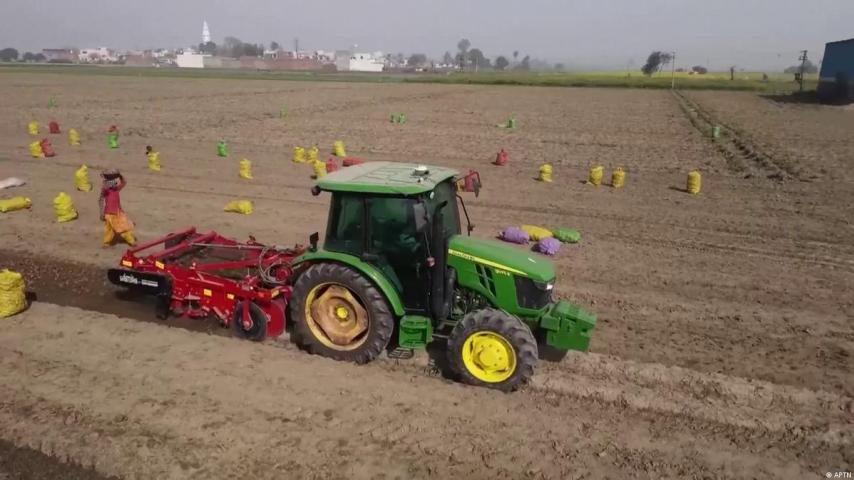
Mechanization: The use of tractors, combine harvesters, and irrigation systems allows for the cultivation of thousands of acres with fewer human workers.
Chemical Inputs: Synthetic fertilizers enhance soil fertility, while pesticides and herbicides protect crops from pests and weeds. These inputs are essential for maintaining high yields.
Genetically Modified Organisms (GMOs): GMOs are engineered to resist pests, tolerate herbicides, or increase nutritional value. They are widely used in crops like corn, soybeans, and cotton.
Concentrated Animal Feeding Operations (CAFOs): In animal agriculture, large numbers of livestock are confined in small spaces and fed high-calorie diets to accelerate growth, often with the use of antibiotics and hormones.
Advantages of Industrial Agriculture
Increased Food Production: One of the most significant achievements of industrial agriculture is its ability to produce large quantities of food. This has played a crucial role in reducing hunger globally.
Lower Food Costs: Mass production leads to economies of scale, making food more affordable for consumers.
Efficiency: Mechanization and technology reduce the need for manual labor, lowering production costs and time.
Global Food Trade: Industrial farming enables surplus production, which supports international food trade and food aid programs.
Criticisms and Challenges
Despite its benefits, industrial agriculture faces increasing criticism from environmentalists, health professionals, and small-scale farmers.
Environmental Impact: Industrial agriculture is a leading cause of environmental degradation. Monoculture farming and overuse of chemical fertilizers lead to soil erosion, loss of biodiversity, and water pollution due to agricultural runoff. Large-scale deforestation to make way for farmland contributes to climate change, while methane emissions from livestock exacerbate greenhouse gas concentrations.
Soil Depletion: Continuous monoculture and chemical use reduce the organic matter in soil, making it less fertile over time and more reliant on external inputs.
Water Usage: Industrial agriculture consumes significant amounts of freshwater, often leading to depletion of aquifers and water shortages in farming regions.
Health Concerns: The heavy use of pesticides and antibiotics in crops and livestock has raised concerns about long-term human health impacts, including antibiotic resistance and exposure to harmful chemicals.
Animal Welfare: CAFOs have been criticized for inhumane treatment of animals, including overcrowding, lack of natural behavior, and stress-related illnesses.
Economic Displacement: Small and medium-sized farms often cannot compete with large agribusinesses. This leads to rural decline, loss of livelihoods, and consolidation of land into fewer hands.
Industrial Agriculture and Climate Change
Agriculture is both a victim and a contributor to climate change. On one hand, changing weather patterns, droughts, and floods threaten crop yields. On the other hand, industrial agriculture contributes roughly 25% of global greenhouse gas emissions, primarily through land-use changes, fossil fuel use, and methane emissions from livestock. The challenge is to decouple agricultural productivity from environmental degradation.
Toward Sustainable Alternatives
Criticism of industrial agriculture has spurred interest in more sustainable and resilient farming methods. These include:
Regenerative Agriculture: This approach focuses on soil health, biodiversity, and ecosystem restoration. Techniques such as crop rotation, cover cropping, and reduced tillage are central to regenerative practices.
Organic Farming: Organic farming avoids synthetic inputs and emphasizes natural pest control, composting, and crop diversity. Though yields may be lower, organic methods are seen as environmentally friendly.
Agroecology: Agroecology integrates ecological principles with traditional farming knowledge, promoting biodiversity and minimizing environmental harm.
Precision Agriculture: Using data, sensors, and AI, precision agriculture aims to optimize resource use—applying fertilizers and water only where needed to reduce waste and environmental impact.
Urban and Vertical Farming: Growing food in urban environments, including vertical farms and rooftop gardens, can reduce transportation emissions and bring food production closer to consumers.
Policy and Consumer Roles
Governments play a pivotal role in shaping agricultural systems through subsidies, research funding, and regulation. In many countries, subsidies favor industrial-scale production, discouraging more sustainable alternatives. A shift in policy toward supporting regenerative practices and smallholder farmers could rebalance the agricultural landscape.
Consumers, too, hold power. Increased demand for organic, local, and ethically produced food has already influenced market offerings. Awareness campaigns and food labeling empower consumers to make informed choices that align with environmental and health goals.
Conclusion
Industrial agriculture has achieved the remarkable feat of feeding a growing global population. However, it has done so at a high cost to the environment, human health, and rural communities. The future of food lies not in rejecting industrial methods entirely, but in transforming them. Integrating sustainability, technology, and ecological awareness into agriculture can ensure a food system that is productive, equitable, and environmentally sound. As we confront the dual challenges of climate change and food insecurity, rethinking how we grow our food is more urgent than ever.
Introduction
Intensive agriculture, also known as intensive farming, is a modern agricultural system characterized by high input and high output per unit of agricultural land. This method emphasizes maximizing production, often through the use of synthetic fertilizers, pesticides, genetically modified organisms (GMOs), mechanization, and irrigation. It has played a central role in meeting global food demands, especially since the Green Revolution of the mid-20th century. However, intensive agriculture has also been associated with significant environmental, health, and social concerns. This article explores the principles, advantages, disadvantages, and future outlook of intensive agriculture.
Principles and Techniques of Intensive Agriculture
The goal of intensive agriculture is to increase crop yields and livestock productivity. It involves several key practices:
Use of Chemical Inputs: Fertilizers and pesticides are commonly used to boost plant growth and prevent losses from pests and diseases. These inputs enable crops to grow more quickly and healthily, leading to higher yields.
Monoculture Farming: Intensive agriculture often involves growing a single crop species over a large area, which simplifies cultivation and harvesting but can make the system more vulnerable to pests and diseases.
Mechanization: Tractors, harvesters, and other machinery reduce the need for manual labor, increasing efficiency and allowing large areas to be farmed quickly.
Irrigation Systems: Advanced irrigation techniques like drip and sprinkler systems help maintain optimal water supply, crucial for high productivity.
Selective Breeding and GMOs: Livestock and crop varieties are selectively bred or genetically modified to enhance desirable traits such as faster growth, disease resistance, or higher nutritional value.
Concentrated Animal Feeding Operations (CAFOs): These are used in livestock farming to raise animals in confined spaces with controlled feeding and medical care, which increases meat, milk, and egg production.
Advantages of Intensive Agriculture
High Productivity: Intensive agriculture allows for the production of large quantities of food on relatively small plots of land. This is crucial for feeding the world’s growing population.
Economic Efficiency: High yields translate to higher income for large-scale farmers. Mechanization and technology reduce labor costs and time inputs.
Food Security: Intensive agriculture has helped to prevent famine in many parts of the world by increasing the availability of staple foods like rice, wheat, and corn.
Innovation and Development: The sector encourages technological innovation, leading to advancements in biotechnology, irrigation, and soil science.
Global Trade: Surpluses produced through intensive farming can be exported, boosting national economies and food availability in import-dependent countries.
Disadvantages and Concerns
Despite its benefits, intensive agriculture has raised numerous concerns, particularly in relation to its sustainability.
Environmental Degradation: The excessive use of chemical fertilizers and pesticides can lead to soil degradation, water pollution, and loss of biodiversity. Runoff from agricultural lands can contaminate rivers and oceans, leading to problems like eutrophication.
Soil Health Decline: Repeated monoculture and heavy chemical input strip soils of their natural fertility and microbial life, necessitating even more artificial inputs to maintain productivity.
Climate Change: Intensive agriculture is a significant contributor to greenhouse gas emissions. Livestock farming, in particular, emits large amounts of methane and nitrous oxide.
Water Use and Scarcity: Intensive irrigation can lead to over-extraction of water resources, especially in arid regions. This exacerbates drought conditions and depletes aquifers.
Animal Welfare Issues: CAFOs are often criticized for poor animal living conditions, limited mobility, and overuse of antibiotics, which can contribute to antimicrobial resistance.
Human Health Risks: Pesticide residues on food, contamination of water supplies, and the rise of antibiotic-resistant bacteria pose risks to human health.
Social and Economic Inequality: Small-scale farmers often struggle to compete with large agribusinesses. In some cases, land consolidation for intensive farming displaces traditional farming communities.
Case Studies and Examples
The Green Revolution (1940s–1960s): Countries like India and Mexico saw dramatic increases in crop yields due to the adoption of intensive agricultural practices. While this helped alleviate hunger, it also introduced long-term environmental and social challenges.
Industrial Livestock in the U.S.: The U.S. is one of the largest producers of meat through CAFOs. While efficient, these systems have been criticized for pollution and ethical issues related to animal treatment.
European Union Policies: The EU has been moving toward more sustainable practices by encouraging organic farming and limiting the use of certain chemicals through policies like the Common Agricultural Policy (CAP).
Sustainable Alternatives and Innovations
As awareness of the downsides of intensive agriculture grows, efforts are being made to transition toward more sustainable models:
Integrated Pest Management (IPM): Combines biological, physical, and chemical methods to manage pests in an environmentally responsible way.
Agroecology: Emphasizes ecological principles, biodiversity, and local knowledge to create sustainable farming systems.
Precision Agriculture: Uses GPS, sensors, and data analytics to optimize input use and reduce waste, improving efficiency and sustainability.
Organic Farming: Avoids synthetic chemicals and promotes natural soil fertility and pest control, although it typically produces lower yields.
Regenerative Agriculture: Focuses on restoring soil health through crop rotation, cover cropping, and reduced tillage, sequestering carbon and improving resilience.
Vertical and Urban Farming: These systems aim to reduce land use and bring food production closer to consumers, often using hydroponics or aeroponics.
Conclusion
Intensive agriculture has been a cornerstone of global food production, enabling humanity to feed billions and prevent large-scale hunger. However, its environmental, ethical, and health-related drawbacks cannot be ignored. The future of agriculture must strike a balance between productivity and sustainability. Through innovations in technology, policy reform, and a shift toward ecologically sound practices, it is possible to feed the world while preserving the planet. As the global population continues to grow and climate change intensifies, the evolution of agricultural systems will be critical to ensuring a secure and sustainable food future.