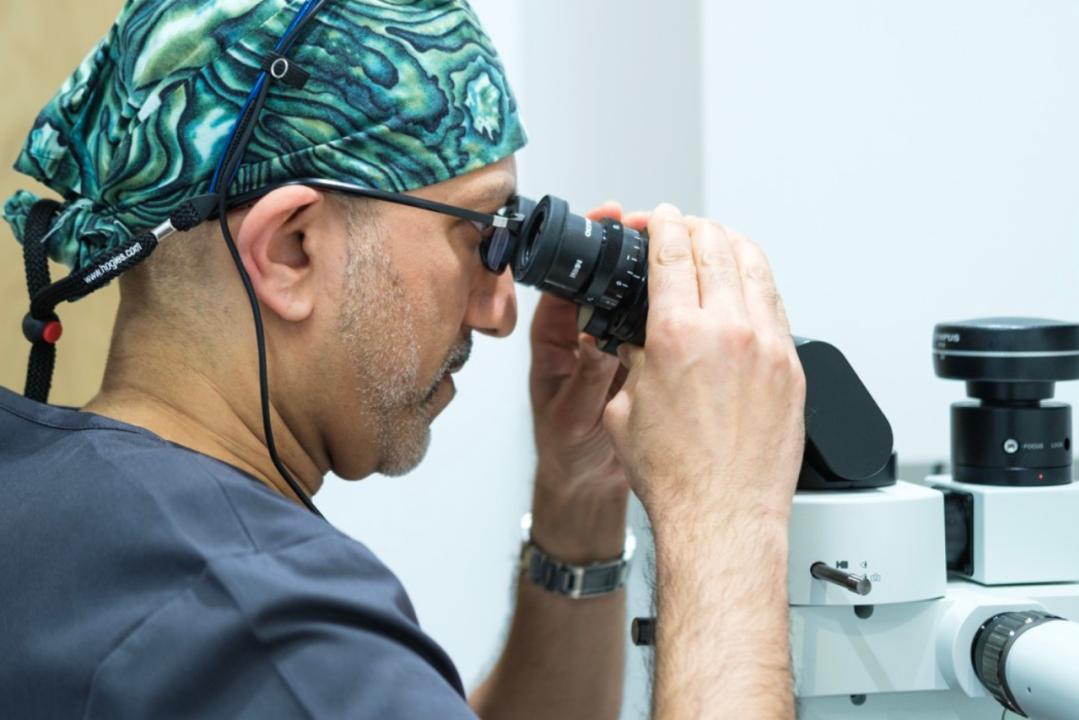

Mohs Micrographic Surgery is a highly specialized and effective technique for treating certain types of skin cancer, particularly basal cell carcinoma and squamous cell carcinoma. Known for its precision, this procedure offers the highest cure rate among all skin cancer treatments while preserving as much healthy tissue as possible.
What Is Mohs Micrographic Surgery?
Mohs Micrographic Surgery is a step-by-step surgical method that involves removing thin layers of cancerous skin and examining them under a microscope in real-time. The process continues until no cancer cells are detected in the tissue sample. Developed by Dr. Frederic Mohs in the 1930s, the procedure has evolved into a gold standard for skin cancer treatment, especially in sensitive areas like the face, ears, and hands.
This surgery is typically performed by a specially trained dermatologist in an outpatient setting using local anesthesia. Unlike traditional excision, Mohs surgery offers immediate microscopic analysis, reducing the risk of recurrence and minimizing scarring.
Benefits of Mohs Surgery
-
Highest Cure Rate: Mohs surgery boasts up to a 99% cure rate for new skin cancers and 94% for recurrent ones.
-
Tissue Preservation: Because the surgeon removes only the affected tissue, the procedure conserves the maximum amount of healthy skin.
-
Immediate Results: The analysis of tissue happens on-site, allowing the patient to receive complete treatment in one visit.
-
Ideal for High-Risk Areas: Particularly beneficial for treating cancers on cosmetically and functionally critical areas like the nose, eyelids, lips, and scalp.
What to Expect During and After the Procedure
Patients are awake during the entire process. The surgeon removes one layer of skin at a time, examines it under a microscope, and continues until no cancer cells remain. The duration of Mohs surgery can vary but usually lasts a few hours.
After the surgery, reconstruction may be performed immediately to close the wound. This may involve simple stitching, skin grafts, or flap techniques depending on the size and location of the removed tissue. Recovery time is typically minimal, and follow-up care is essential to monitor for any recurrence.
Conclusion
Mohs Micrographic Surgery stands out as a safe, effective, and tissue-sparing method for treating skin cancer. Its accuracy and high success rate make it the preferred choice for dermatologists and patients alike. If you’ve been diagnosed with skin cancer, consult with a board-certified Mohs surgeon to determine whether this approach is right for you.