Introduction:
In today’s fast-paced digital world, adaptability isn’t a luxury, it’s a necessity. As organizations race to keep up with innovation, Agile and Scrum have become indispensable frameworks for managing projects and delivering customer value efficiently. For professionals, mastering these methodologies can open doors to leadership roles, higher salaries, and cross-functional team success. But beyond the certifications, what does this training offer in real-world practice?
This blog post explores how Agile and Scrum training, especially the Professional Scrum Master course prepares individuals for real-world challenges across industries. Whether you're targeting scrum master training and placement or seeking Agile Scrum certification, understanding the practical applications can transform your career trajectory.
What Is Agile and Scrum Training?
Agile Methodology: A Quick Recap
Agile is a project management philosophy that emphasizes iterative development, collaboration, and customer feedback. It's not a process it's a mindset. Agile encourages teams to deliver small, functional chunks of work regularly rather than waiting until the very end.
Scrum Framework: Core Concepts
Scrum is one of the most widely adopted Agile frameworks. It provides a structured process through roles (Scrum Master, Product Owner, Development Team), events (Sprint, Daily Scrum, Sprint Review), and artifacts (Product Backlog, Sprint Backlog, Increment).
Training Focus Areas
Agile and Scrum training, especially for a Scrum certification course, focuses on:
Scrum roles and responsibilities
Sprint planning and execution
Agile principles and values
Real-world use of Scrum tools like JIRA and Confluence
Servant leadership and team facilitation
Real-World Applications of Agile and Scrum Training
1. Enhancing Project Delivery in IT and Software Development
How It Works:
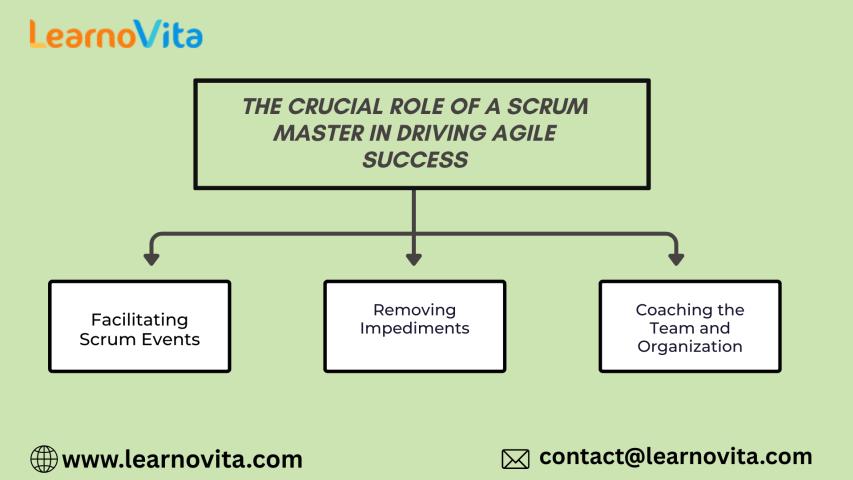
In software teams, Agile ensures that products are built iteratively, with consistent feedback loops from stakeholders. A certified Scrum Master facilitates sprint ceremonies, removes roadblocks, and keeps the team aligned with the project vision.
Real-World Example:
A development team at a fintech company adopted Agile through structured scrum certification online programs. Within six months, delivery timelines improved by 30%, and customer satisfaction increased due to faster releases.
Key Skills Applied:
Sprint retrospectives for continuous improvement
User story grooming for focused development
Scrum boards for visual project tracking
2. Driving Innovation in Product Management
How It Works:
Product Owners use Scrum to align product features with customer needs. Agile training helps professionals prioritize backlogs and implement customer feedback rapidly.
Real-World Example:
A consumer tech startup used Agile-trained professionals to streamline feature launches. After implementing Scrum rituals, they reduced their go-to-market time by 40%.
Key Skills Applied:
Backlog prioritization
MVP (Minimum Viable Product) planning
Cross-functional collaboration
3. Boosting Team Collaboration and Morale
How It Works:
Agile emphasizes team ownership and accountability. Scrum Masters trained via agile and scrum courses foster a transparent and respectful work environment.
Real-World Example:
An enterprise IT department reported a 25% increase in team productivity and morale after adopting Agile under the guidance of certified Scrum Masters.
Key Skills Applied:
Servant leadership
Conflict resolution
Daily stand-ups for team alignment
4. Agile in Marketing: Campaigns That Adapt in Real Time
How It Works:
Marketing teams use Agile to adapt to changing customer preferences. Sprints are used to test and iterate on campaign elements.
Real-World Example:
An eCommerce brand saw a 60% improvement in ROI by implementing Scrum-trained managers who adapted campaigns weekly based on live customer feedback.
Key Skills Applied:
Kanban for managing workflows
Agile retrospectives to refine campaigns
Data-driven iteration
5. Agile Transformation in HR and Operations
How It Works:
Agile isn’t just for tech teams. HR uses Agile to improve hiring processes, while operations teams streamline workflows using Agile ceremonies.
Real-World Example:
A multinational used scrum master training and placement to train HR professionals, reducing onboarding time by 35% and improving employee retention.
Key Skills Applied:
Agile HR planning
Continuous feedback systems
Incremental onboarding strategies
6. Agile in Education and Learning Programs
How It Works:
Educational institutions are using Agile principles to improve curriculum development and student engagement.
Real-World Example:
A professional training firm integrated Agile into its instructional design process, enabling quicker updates to course material and better learner outcomes.
Key Skills Applied:
Iterative curriculum development
Agile project boards for content planning
Frequent feedback cycles
The Role of Scrum Certification in Career Advancement
Why Scrum Certification Online Matters
Getting certified through scrum certification online ensures flexibility and access to global learning communities. It validates your understanding of the framework and equips you for real-world roles.
Career Benefits
Enhanced job opportunities with scrum master training and placement
Increased salary prospects (up to 25% higher than non-certified peers)
Recognition from industry leaders
Long-Tail Keyword Example:
Professionals looking for "agile scrum certification for project managers in healthcare" benefit from a tailored application of the course, blending agile knowledge with sector-specific needs.
Hands-On Learning in Agile and Scrum Courses
Simulated Sprint Projects
Participants engage in mock sprints to understand real-life scrum dynamics.
Use of Agile Tools
Courses cover hands-on use of:
JIRA for backlog management
Trello for sprint boards
Slack for team communication
Role Play Exercises
Live role-play sessions help learners grasp the interpersonal aspects of Agile, such as facilitating retrospectives or coaching a team through blockers.
Industry Case Studies Supporting Agile Implementation
IBM: Agile for Software Engineering
IBM implemented Agile at scale across global teams. After agile and scrum training, productivity improved, and cross-border collaboration became seamless.
Spotify: Agile for Team Autonomy
Spotify’s famous “Squad” model is built on Agile principles. Continuous Scrum education ensures innovation remains at the core of team efforts.
Capital One: Agile in Banking
Through a strong investment in agile and scrum courses, Capital One accelerated the launch of digital banking tools that met rising consumer expectations.
Step-by-Step Guide to Applying Scrum in a Real-World Project
Step 1: Define Roles
Identify Scrum Master, Product Owner, and team members
Step 2: Create the Product Backlog
Use customer requirements and stakeholder inputs
Step 3: Plan the Sprint
Determine sprint goals and select backlog items
Step 4: Conduct Daily Stand-Ups
Facilitate 15-minute sync meetings for alignment
Step 5: Hold the Sprint Review and Retrospective
Gather feedback and improve process in the next sprint
Choosing the Right Agile and Scrum Certification Course
What to Look For:
Comprehensive curriculum aligned with real-world projects
Expert instructors with industry experience
Opportunities for scrum master training and placement
Why H2K Infosys?
H2K Infosys offers industry-aligned scrum certification courses that combine hands-on training with placement assistance. You’ll gain skills that employers demand and the confidence to lead Agile transformations.
Key Takeaways
Agile and Scrum training is not limited to software—it spans industries like HR, marketing, finance, and education.
Real-world implementation leads to faster delivery, better collaboration, and improved ROI.
Courses that offer scrum certification online with practical components can accelerate career growth.
Certification alone isn’t enough—real-world application and hands-on experience make the difference.
Agile-trained professionals drive innovation and adaptability in modern business environments.
Conclusion
Agile and Scrum skills go far beyond buzzwords they are essential capabilities for today’s professionals. Whether you're an aspiring Scrum Master or a leader aiming to transform your team's productivity, this training can bring real change to your workplace.
Ready to lead Agile teams and boost your career? Enroll in H2K Infosys' Agile scrum course today for hands-on learning and job-focused training.