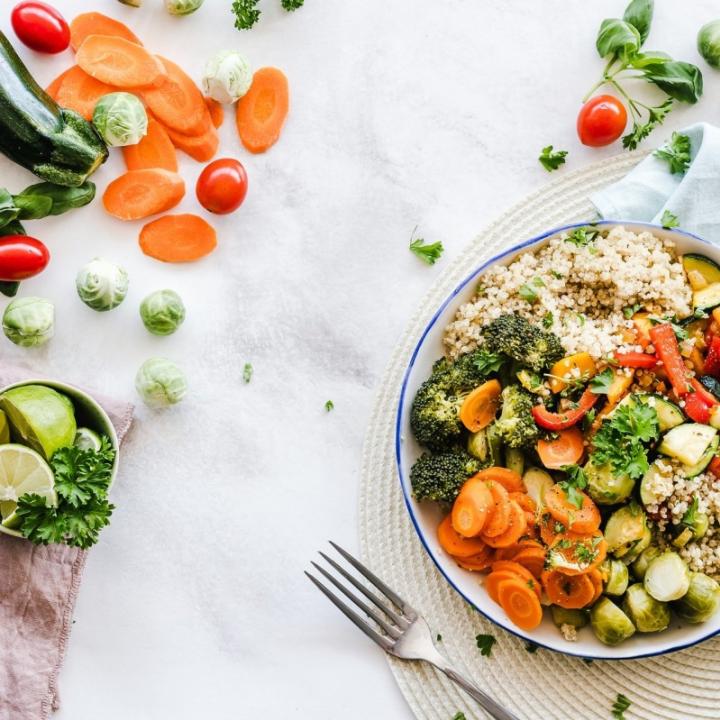

The Power of Personal Food Narratives
Food is more than just sustenance—it carries memories, emotions, and culture. When people share their personal food stories, they offer a window into their lives, creating connections across languages and borders. Whether it's your grandmother’s secret stew or a modern take on traditional dishes, these stories bring a rich texture to the world of food recipes. Sharing such experiences can build a deeper appreciation for culinary traditions worldwide.
Creating Cultural Connections Through Cuisine
Every dish tells a story. When you document how you prepare meals that are unique to your heritage, you're not just cooking—you're teaching. You allow readers from different cultures to understand the roots of your traditions, the meaning behind ingredients, and the values attached to family meals. This kind of storytelling helps break down cultural barriers and builds empathy through the shared experience of food.
Why Writers Should Share Their Culinary Passion
If you’ve ever thought, “I have something valuable to say about food,” you’re not alone. Many food enthusiasts look for platforms that invite them to contribute, such as sites that say “write for us food.” These platforms offer an opportunity to reach audiences who are curious, hungry for new experiences, and eager to explore new flavors and traditions. Your voice could be the one that opens a door to someone else's culinary journey.
What Makes a Food Story Inspiring?
An inspiring food story starts with authenticity. Readers connect most with honest experiences, even when they include kitchen failures or unexpected outcomes. Sharing the emotions tied to a dish—what it means to you, your family, or your culture—adds depth and resonance. Visual elements also play a crucial role. Vivid images or descriptions can transport the reader into your kitchen, helping them see, smell, and almost taste the food you're describing. Finally, it’s the attention to sensory detail—textures, aromas, and flavors—that brings the story to life and keeps readers engaged from the first word to the last bite.
Using Social Media to Amplify Your Stories
Social media is a powerful tool for spreading food stories. Platforms like Instagram, TikTok, and YouTube allow you to share everything from quick cooking tips to detailed cooking journeys. With the right visuals and storytelling, your food journey can resonate with a worldwide audience. These platforms also make it easier to engage with your audience in real time, building a loyal following.
Encouraging Diversity in Culinary Storytelling
When you share food stories from underrepresented cultures, you’re doing more than writing a blog—you’re preserving a legacy. Encouraging diversity in the culinary space invites richer conversations about identity, migration, adaptation, and resilience. Everyone has a seat at the table, and every culture has something valuable to contribute.
Turning Your Stories into a Global Movement
Your food story could be the spark that inspires someone to cook a new dish, visit a new place, or reconnect with their roots. As more people begin to share their culinary experiences, a global tapestry of food knowledge forms—one that is diverse, colorful, and profoundly human. The simple act of telling your story can create ripples of inspiration across the world.