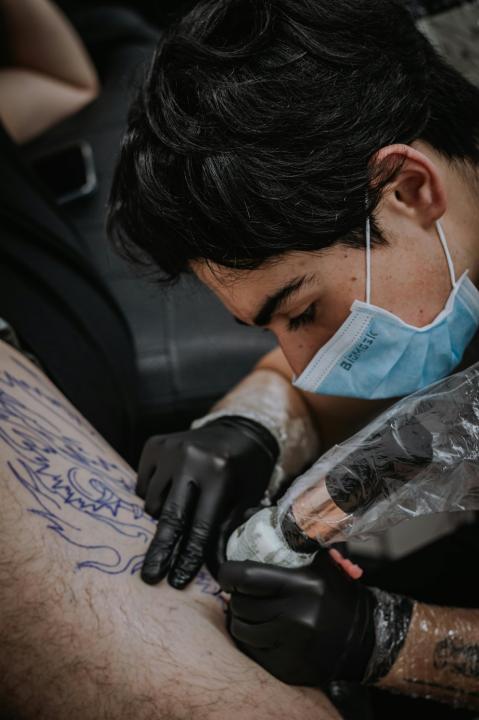

If you're passionate about becoming a tattoo artist, the first and most crucial step in your journey is securing a tattooing apprenticeship. Tattoo apprenticeship programs offer invaluable hands-on training and mentorship under seasoned artists, allowing you to hone your craft, learn industry standards, and eventually build a successful career in tattooing. One of the most important tools to help you get your foot in the door is a professional, well-curated portfolio. In this blog, we’ll explore how to build a strong portfolio to boost your chances of landing a tattooing apprenticeship.
Why a Portfolio Matters in Tattooing Apprenticeships
Tattooing is a visual art form, and your ability to draw, conceptualize designs, and express creativity plays a huge role in your potential success. Tattoo apprenticeship programs are competitive, and most tattoo studios look for promising apprentices who already have a solid foundation in art. Your portfolio is your personal visual resume—it showcases your skills, your >
1. Start with Foundational Art Skills
Before diving into tattoo-specific designs, it's essential to master the basics of drawing. Strong fundamentals in anatomy, shading, perspective, and composition are vital. These skills show that you can translate concepts into clean, professional artwork—an ability that's critical in tattooing.
Include:
Life drawings (hands, faces, full-body)
Still-life sketches
Black and white sketches with detailed shading
Color theory exercises
This kind of work proves you understand the fundamentals and are capable of creating well-structured and visually appealing designs.
2. Create Tattoo-Inspired Artwork
Once you’ve built your foundational skills, start creating pieces that resemble tattoo flash or custom tattoo designs. Keep in mind that many studios offering an apprenticeship for tattooing look for artists who already understand tattoo aesthetics.
Include:
Traditional tattoo >
Modern >
Custom flash sheets
Digital art if you work on a tablet
This shows that you’re already thinking in the visual language of tattooing and can adapt your skills accordingly.
3. Show Versatility and Originality
Tattoo studios want apprentices who can bring something unique to the table. Avoid copying other artists' work; instead, use your imagination to create original pieces. Explore different >
Include:
Abstract or surrealist pieces
Unique character designs or creatures
Culturally influenced artwork (done respectfully)
Typography and lettering
By showcasing a wide range of ideas, you demonstrate creativity and the ability to tackle various requests from future clients.
4. Organize Your Portfolio Professionally
Presentation is key. Whether you're submitting a digital or physical portfolio, it should be clean, easy to navigate, and focused on your best work.
Tips:
Start with your strongest pieces
Group similar >
Avoid filler content—quality over quantity
Include captions if necessary (medium, date, concept)
Digital portfolios can be hosted on websites like Behance, ArtStation, or your own domain. For physical portfolios, invest in a professional-looking binder or display book.
5. Include a Personal Statement and Contact Information
In addition to your artwork, include a brief artist statement. This should explain who you are, your artistic influences, why you're passionate about tattooing, and what you're looking for in a mentor or studio.
Your statement should address:
Why you want to pursue a tattooing apprenticeship
What >
Your long-term goals in the tattoo industry
Don’t forget to include your full name, email, phone number, and links to your professional social media or portfolio sites.
6. Do Studio Research Before Applying
Not all tattoo apprenticeship programs are created equal. Before reaching out, research the studios you’re interested in. Understand their >
This will help you answer the question: How do I get a tattoo apprenticeship that fits my >
7. Practice Professionalism and Patience
Once your portfolio is ready, it’s time to start applying. Visit studios in person when possible—this shows initiative and respect. Be courteous, humble, and open to feedback. Remember, getting an apprenticeship for tattooing is as much about personality and attitude as it is about talent.
Answering the often-asked question, How do you get a tattoo apprenticeship? involves more than just having a good portfolio—you need to be teachable, respectful, and committed to the long road ahead.
8. Keep Improving Even If You Don’t Get Accepted Right Away
Rejection is a part of the process. Use feedback to strengthen your skills and your portfolio. Continue creating new artwork, experimenting with >
Conclusion: Your Portfolio is Your First Tattoo
Your tattooing apprenticeship journey begins with a powerful portfolio. Think of it as your first tattoo—it should reflect your personality, skill, and dedication. A strong portfolio won’t just help you get noticed by tattoo apprenticeship programs; it will also give you the confidence and clarity to pursue your career in tattooing with purpose and passion.
Final Tips:
Stay authentic and avoid tracing or copying
Keep updating your portfolio with fresh work
Network with artists and attend tattoo conventions
Stay persistent and don’t lose hope
Building a career in tattooing starts with effort, patience, and a deep love for the craft. Good luck on your path to becoming a professional tattoo artist!
Also Read : How to Find the Perfect Tattooing Apprenticeship in 2025