Agriculture is the lifeline of humanity, feeding billions across the globe. But in today’s rapidly evolving world, traditional farming methods are no longer sufficient to meet the rising demand for food, fuel, and fiber. To thrive in this competitive and climate-challenged landscape, farmers must embrace technology and that begins with using the right farmingequipment.
From soil
preparation to harvesting, each stage of the agricultural cycle demands
specific tools that enhance productivity, reduce labor, and ensure efficiency.
In this article, we explore the must-have farming equipment that every farmer big
or small should consider to move from soil to success.
1. Tractors: The Heartbeat of Modern Farming
A tractor
is the most indispensable piece of farming equipment today. It serves as the
backbone of agricultural operations, offering the power and versatility needed
for multiple tasks.
Key Uses:
- Tilling and plowing fields
- Pulling implements like harrows,
cultivators, and seed drills
- Transporting materials and crops
- Operating PTO-driven machines like
threshers or sprayers
Modern Features to Look For:
- Power Steering and 4WD for better
maneuverability
- PTO (Power Take-Off) compatibility
- GPS and auto-steering systems
- Fuel efficiency and emission
control
Whether you are
managing a small farm or a commercial enterprise, a reliable tractor is a
long-term investment that boosts operational efficiency.
2. Ploughs and Harrows: Preparing the Perfect Bed
Soil
preparation is fundamental to successful crop production. The quality of your
tillage determines how well seeds will germinate and how effectively nutrients
will reach the roots.
Ploughs:
Used to turn
and loosen the soil, break clods, and incorporate organic matter.
Types:
- Moldboard Ploughs: Ideal for deep tillage.
- Disc Ploughs: Suitable for hard, dry, or
root-filled soils.
Harrows:
Used after
ploughing to further break down soil lumps and level the field.
Types:
- Disc Harrows: Crush soil clods and mix
residues.
- Spring Harrows: Help aerate soil and uproot
weeds.
Effective
tillage equipment improves soil aeration, conserves moisture, and creates the
ideal environment for seeds.
3. Seed Drills and Planters: Precision from the Start
Manual sowing
is not only labor-intensive but also uneven, leading to poor germination and
yield inconsistency. Seed drills and planters provide a scientific and accurate
method of sowing.
Benefits:
- Uniform seed depth and spacing
- Proper seed-to-soil contact
- Reduced seed wastage
- Better crop stand and higher
yields
Today’s precision
planters come with features like:
- Variable rate seeding
- GPS-guided rows
- Real-time data feedback
Whether growing
grains, pulses, or vegetables, using the right planting equipment ensures a
strong start to your crops.
4. Sprayers: Targeted Protection for Crops
Pests,
diseases, and weeds can devastate crops if not managed in time. Agricultural
sprayers allow farmers to apply fertilizers, herbicides, and pesticides
uniformly and efficiently.
Types of Sprayers:
- Knapsack Sprayers: Ideal for small farms and
gardens
- Boom Sprayers: Cover large fields with
precision
- Air Blast Sprayers: Suitable for orchards and
vineyards
- Drone Sprayers: Emerging technology for precise
aerial application
Modern sprayers
offer:
- Adjustable nozzles
- Pressure control
- GPS mapping
- Sensor-based application
Accurate
spraying reduces chemical use, lowers costs, and minimizes environmental
impact.
5. Irrigation Systems: Water When and Where It’s Needed
Water is
critical to farming success, yet it's increasingly scarce. Modern irrigation
equipment helps farmers maximize water use while ensuring crops receive the
moisture they need.
Must-Have Irrigation Systems:
- Drip Irrigation: Delivers water directly to plant
roots
- Sprinkler Systems: Suitable for most field crops
- Center Pivot Irrigation: Efficient for large, circular
fields
- Smart Irrigation Controllers: Use soil moisture sensors and
weather data
Benefits
include:
- Reduced water wastage
- Better root zone watering
- Improved crop quality and yield
Smart
irrigation systems are a key component of climate-resilient agriculture.
6. Harvesters: Efficiency at the Finish Line
Harvesting by
hand is time-consuming and can result in crop losses. Mechanical harvesters
streamline this process, ensuring timely and damage-free harvesting.
Popular Types:
- Combine Harvesters: Combine reaping, threshing, and
winnowing in one pass ideal for grains like wheat, rice, and barley
- Sugarcane Harvesters
- Potato and Root Crop Harvesters
- Vegetable and Fruit Pickers
Modern machines
are equipped with:
- Yield monitors
- GPS trackers
- Auto-cleaning mechanisms
Using
harvesters ensures a fast, clean, and efficient end to the crop cycle,
maximizing profits.
7. Post-Harvest Equipment: From Farm to Market
Once crops are
harvested, they must be cleaned, sorted, stored, and transported. Investing in post-harvest
machinery is crucial to reduce losses and increase market value.
Essential Equipment:
- Threshers and Winnowers: Separate grain from chaff
- Grain Cleaners and Graders: Sort by size, weight, or quality
- Dryers: Reduce moisture content for
storage
- Cold Storage Units: Preserve perishable produce
Post-harvest
handling can make or break profitability. Proper equipment helps maintain
quality, reduce spoilage, and enhance returns.
8. Soil and Crop Sensors: Farming with Intelligence
Technology has
given rise to smart farming, where real-time data drives decisions. Soil and
crop sensors are essential tools for precision agriculture.
Functions:
- Monitor soil pH, moisture, and
nutrient levels
- Detect crop health and growth
patterns
- Guide irrigation and fertilization
- Track pest and disease outbreaks
When paired
with mobile apps or cloud platforms, these sensors allow farmers to make
data-driven choices, saving resources and improving yields.
9. Transportation and Handling Tools: Getting Crops to
Market
Once your
produce is ready, it needs to be transported quickly and safely. Farm carts,
trailers, and trolleys help move inputs and outputs efficiently.
Other essential
handling equipment includes:
- Conveyors: For moving grain or fertilizers
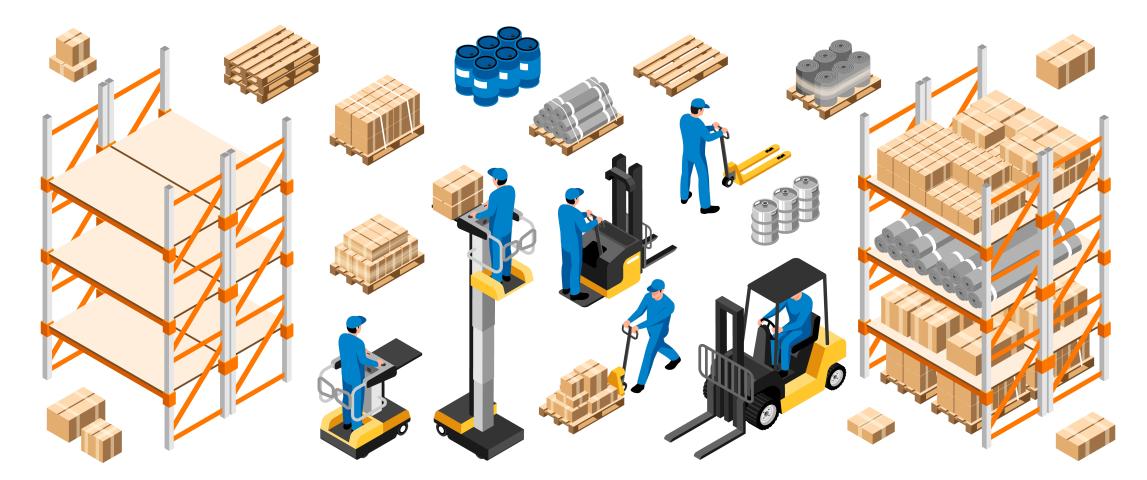
- Forklifts and Pallet Jacks: For lifting and storing heavy
materials
- Packaging Machines: For branding and preserving
produce
Streamlined
logistics reduce waste and increase profits at every stage.
10. Protective Equipment: Safety for Farmers
Farmers often
overlook their own safety while focusing on crops. However, using the right personal
protective equipment (PPE) is essential for long-term health.
Must-have PPE
includes:
- Gloves and boots
- Face masks and goggles (especially
during spraying)
- Helmets and ear protection for
machine operators
Small Farms No Problem: Compact and Affordable Options
For small-scale
or marginal farmers, affordability is a concern. Thankfully, the market offers compact
and affordable versions of most equipment. Tools like power tillers, mini
harvesters, solar pumps, and battery-operated sprayers can greatly improve
efficiency without breaking the bank.
Furthermore,
many governments and cooperatives provide equipment rental services, subsidies,
and financial schemes to help smallholders access modern tools.
Conclusion: Equip for Success, Harvest the Future
From the moment
the soil is prepared to the time the crop is harvested and sold, every step in
farming demands precision, efficiency, and care. The right farming equipment
not only simplifies hard labor but also enhances yields, reduces costs, and
promotes sustainability.
In a world
where agriculture faces constant pressure from climate change, population growth,
and resource limitations, embracing the right tools is no longer optional it’s essential
for success.
Whether you're
a traditional farmer or a modern agripreneur, investing in these must-have
farming tools will help you move from soil to success and beyond.