
In today's competitive educational landscape, school owners face mounting challenges in managing administrative tasks, ensuring efficient communication, and maintaining financial health. Traditional methods often lead to inefficiencies, increased costs, and time-consuming processes. Enter the School Enterprise Resource Planning (ERP) system—a comprehensive solution designed to streamline operations, enhance productivity, and drive cost savings.
Understanding School ERP Systems
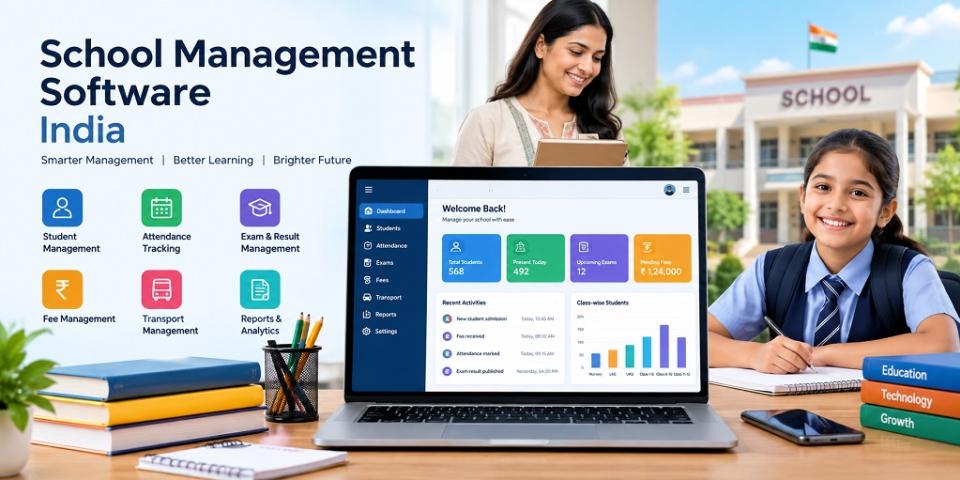
A School ERP system is an integrated software platform that automates and manages various administrative and academic processes within an educational institution. From admissions and attendance to fee collection and examination management, a robust School ERP system centralizes data and facilitates seamless operations.
Key Modules of a School ERP System:
-
Admissions Management: Automates the enrollment process, reducing manual paperwork and errors.
-
Attendance Tracking: Enables real-time monitoring of student and staff attendance.
-
Fee Collection: Streamlines billing, payments, and financial reporting.
-
Examination and Grading: Simplifies exam scheduling, grading, and result dissemination.
-
Communication Tools: Enhances interaction between teachers, students, and parents.
-
Human Resources and Payroll: Manages staff records, payroll processing, and leave management.
-
Inventory and Asset Management: Tracks school assets, maintenance schedules, and inventory levels.
Time-Saving Benefits of Implementing a School ERP System
-
Automated Administrative Tasks:
Manual administrative processes are time-consuming and prone to errors. A School ERP system automates tasks such as admissions, attendance recording, and report generation, significantly reducing the administrative burden. This automation allows staff to focus on more strategic initiatives, enhancing overall productivity. -
Enhanced Communication:
Effective communication is vital for the smooth functioning of a school. ERP systems provide integrated communication tools that facilitate instant messaging, notifications, and updates between teachers, parents, and students. This real-time communication ensures that all stakeholders are informed and engaged. -
Efficient Academic Management:
Managing academic activities manually can be overwhelming. ERP systems streamline academic processes by automating exam scheduling, grading, and report card generation. Teachers can access and update academic records in real-time, ensuring accuracy and consistency. -
Resource Optimization:
By centralizing data and automating processes, ERP systems enable better allocation and utilization of resources. Schools can identify areas of inefficiency and make informed decisions to optimize staff deployment, classroom usage, and resource distribution.
Cost-Saving Advantages of School ERP Systems
-
Reduction in Paper and Printing Costs:
Transitioning to a digital platform minimizes the need for paper-based records, forms, and communications. This not only leads to significant cost savings on paper and printing but also supports environmental sustainability. -
Labor Cost Efficiency:
Automating routine tasks reduces the reliance on manual labor, allowing schools to operate efficiently with a leaner administrative team. This reduction in labor costs can be redirected towards enhancing educational programs and facilities. -
Improved Financial Management:
ERP systems offer comprehensive financial management tools that provide real-time insights into income, expenses, and budgeting. Accurate financial reporting enables school owners to make informed decisions, identify cost-saving opportunities, and ensure fiscal responsibility. -
Maintenance and Infrastructure Savings:
Digital record-keeping reduces the need for physical storage space and associated maintenance costs. Additionally, cloud-based ERP solutions eliminate the need for extensive on-premises infrastructure, leading to further cost reductions.
Real-World Impact: Case Studies and Statistics
Several educational institutions have reported tangible benefits after implementing School ERP systems.
-
Case Study 1: A private school in Bangalore reported a 40% reduction in administrative workload and a 25% decrease in operational costs within the first year of ERP implementation.
-
Case Study 2: An international school in Delhi experienced improved parent engagement and timely fee collections, resulting in a 30% increase in revenue.
These examples underscore the transformative impact of ERP systems on school operations and financial health.
Choosing the Right School ERP System
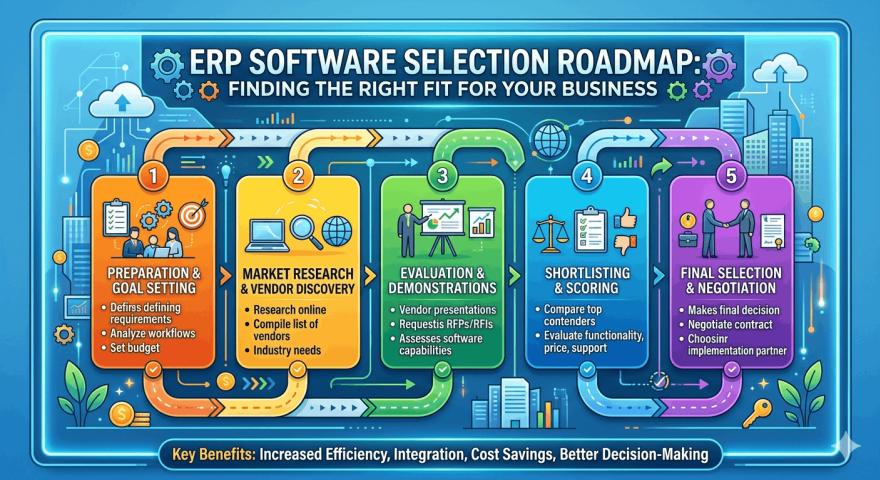
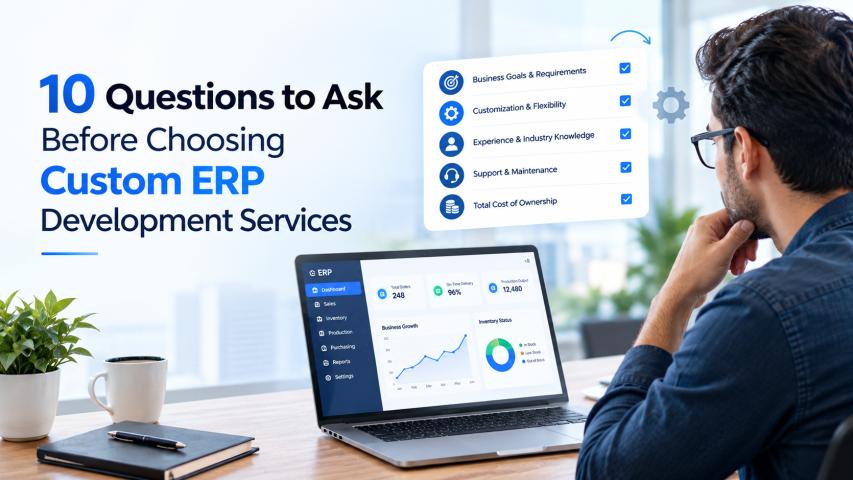
Selecting an ERP system that aligns with your school's specific needs is crucial. Consider the following factors:
-
User-Friendliness: Ensure the system is intuitive and easy to navigate for all users.
-
Scalability: Choose a solution that can grow with your institution.
-
Integration Capabilities: The ERP should seamlessly integrate with existing systems and tools.
-
Vendor Support: Opt for providers that offer robust customer support and regular updates.
-
Customization: The ability to tailor the system to your school's unique requirements is essential.
Implementation Best Practices
To maximize the benefits of a School ERP system, follow these best practices:
-
Planning and Preparation:
Conduct a thorough needs assessment and define clear objectives for the ERP implementation. -
Staff Training:
Provide comprehensive training to ensure all users are comfortable and proficient with the new system. -
Phased Rollout:
Implement the ERP system in stages to manage the transition effectively and address any issues promptly. -
Continuous Evaluation:
Regularly assess the system's performance and gather feedback to make necessary adjustments and improvements.
Conclusion
Implementing a School ERP system is a strategic investment that offers substantial time and cost savings for educational institutions. By automating administrative tasks, enhancing communication, and improving financial management, ERP systems empower school owners to focus on delivering quality education. Embracing this technology not only streamlines operations but also positions your school for sustained growth and success in an increasingly digital world.