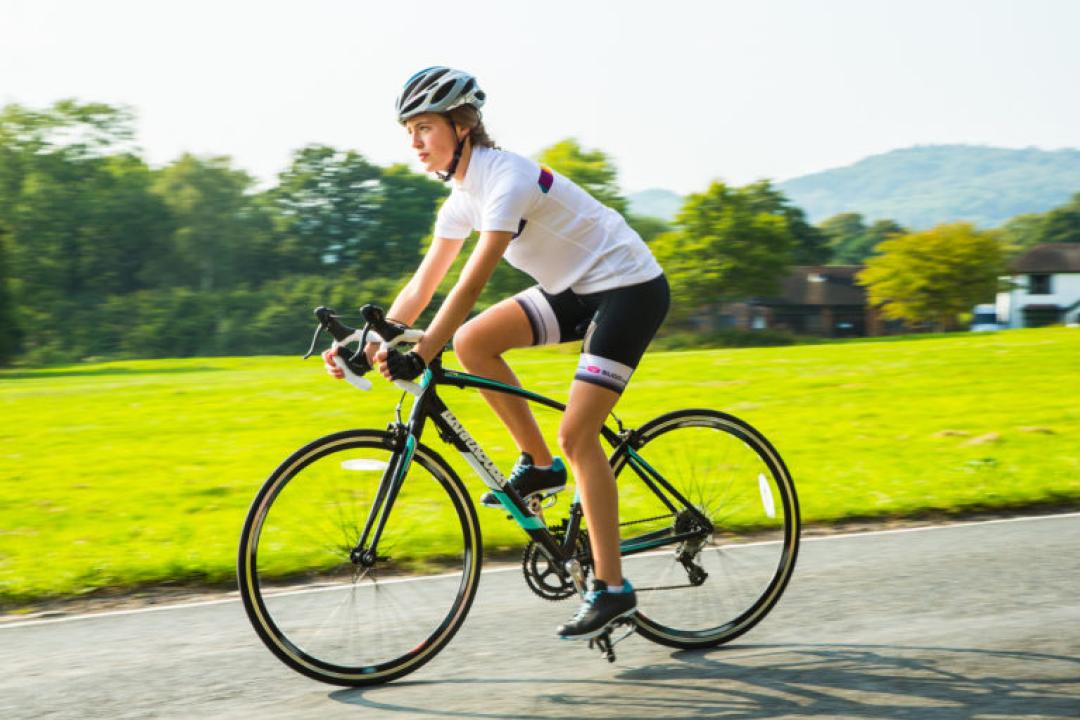

Cycling, or cyclisme in French, is far more than a mode of transportation — it's a sport, a life>cycling offers a unique combination of physical fitness, mental clarity, environmental consciousness, and sheer enjoyment.
The Many Faces of Cycling
Recreational Cycling
For most people, cycling starts as a hobby. It’s a great way to explore your local area, enjoy nature, and stay active. Recreational cyclists often ride with friends, family, or in community cycling groups, making it a social activity as well as a healthy one.
Commuting by Bike
Urban cycling has seen a significant rise in popularity. Commuting by bike is:
Cost-effective
Eco-friendly
Often faster in traffic-heavy cities
With dedicated bike lanes and cycling infrastructure improving in many places, cycling to work or school is more viable than ever.
Competitive Cycling
Cycling is also a major competitive sport nouvelles, with disciplines including:
Road Racing: Like the famous Tour de France
Mountain Biking: Off-road and rugged terrain
Track Cycling: High-speed racing on a velodrome
Cyclocross: A mix of road cycling, mountain biking, and obstacle racing
These require advanced training, strategy, and technical gear.
Fitness and Health
Cycling offers a low-impact, high-reward cardiovascular workout. Benefits include:
Improved heart health
Increased muscle tone, especially in the legs and core
Enhanced joint mobility
Reduced stress and better mental clarity
Essential Gear for Cyclists
Bike: Road, mountain, hybrid, gravel, or electric — choose based on purpose.
Helmet: Always wear one. Safety first.
Clothing: Breathable, padded shorts and moisture-wicking tops enhance comfort.
Lights and Reflectors: Crucial for visibility, especially at night.
Water Bottle and Cage: Hydration on the go.
Repair Kit: Includes tire levers, pump, spare tube, and a multitool.
Tips for New Cyclists
Start small and build endurance gradually.
Learn basic maintenance, like fixing a flat tire or adjusting brakes.
Follow traffic laws and respect pedestrians.
Stretch before and after rides to avoid injury.
Join a cycling group to learn from experienced riders and stay motivated.
Final Thoughts
Cycling is more than just a way to get from point A to point B — it’s a journey toward better health, sustainable living, and personal freedom. Whether you're drawn to the thrill of racing, the peace of a countryside ride, or the practicality of urban commuting, cycling offers something for everyone. With minimal impact on the environment and countless benefits for your body and mind, now is the perfect time to embrace the cycling life>
Frequently Asked Questions (FAQs)
Is cycling good for weight loss?
Yes. Cycling burns calories and builds muscle, making it an effective part of a weight loss plan when combined with a healthy diet.
How often should I cycle for fitness?
3 to 5 times a week for at least 30 minutes can significantly improve cardiovascular health and endurance.
Do I need an expensive bike to get started?
No. A reliable, well-fitted entry-level bike is perfect for beginners. You can always upgrade later as your skills and needs grow.
Can cycling help with mental health?
Absolutely. Like most physical activities, cycling releases endorphins, reduces stress, and can improve mood and focus.
What’s the difference between road and mountain bikes?
Road bikes are lightweight with thin tires, ideal for paved surfaces and speed. Mountain bikes have thicker tires and suspension for rough terrain and off-road trails.