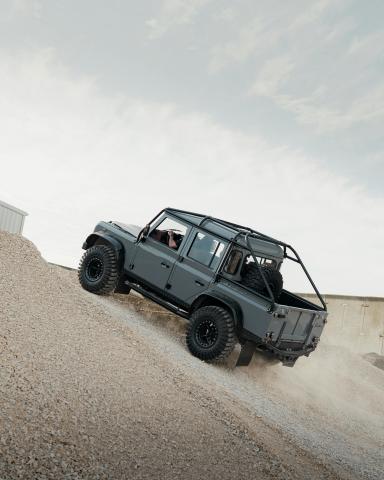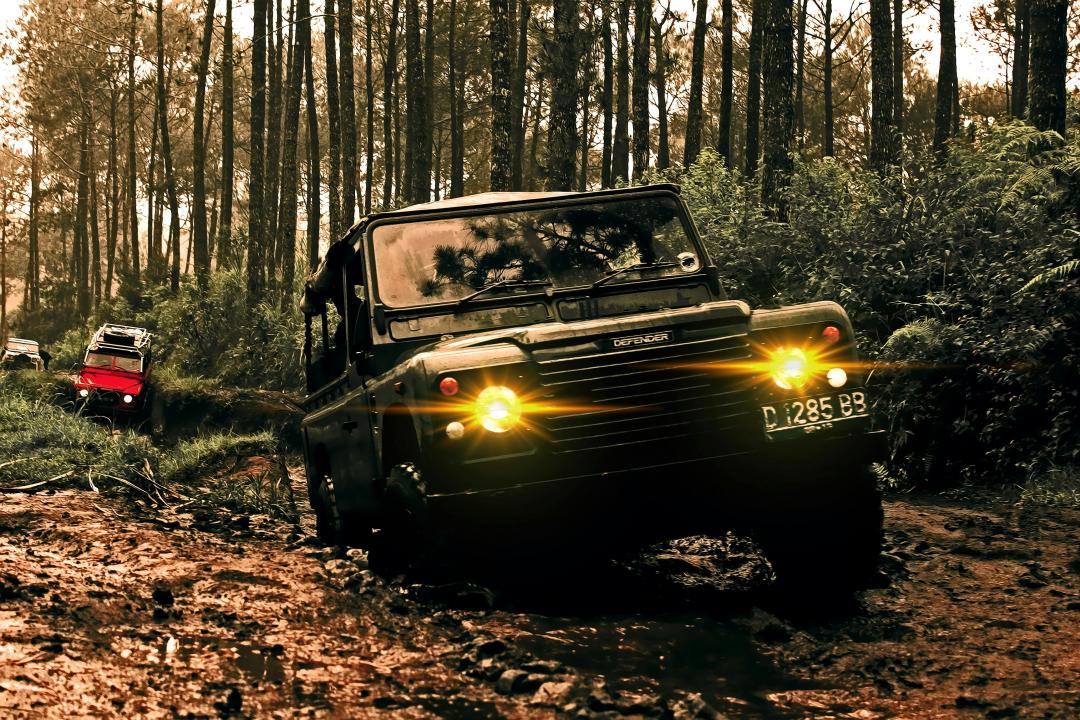

Buying a restored Defender is a thrilling experience, especially for enthusiasts who appreciate the rugged character and iconic design of these legendary off-roaders. However, excitement can sometimes cloud judgment—leading to avoidable mistakes that could turn your dream Defender into a disappointing investment. Whether you're considering a restored Defender 110 for sale or evaluating options for a restored Land Rover Defender 110 for sale, knowing what to look for (and what to avoid) is key.
Here are the top 5 mistakes buyers often make when purchasing restored defenders—and how you can steer clear of them.
1. Assuming All Restorations Are Equal
One of the biggest mistakes is believing that every restored Land Rover Defender for sale has been brought back to life with the same level of quality. In reality, restoration standards vary widely. Some projects focus solely on aesthetics—new paint, updated seats—while others rebuild the drivetrain, electrical systems, and chassis from the ground up.
What to do instead:
Request a detailed list of the restoration work completed. Pay close attention to structural work like chassis repairs, rust treatment, and mechanical overhauls. A clean paint job doesn’t guarantee reliability.
A Land Rover Defender restored for sale should come with documentation, photos of the build, and preferably, before-and-after comparisons. The more transparent the seller, the more confidence you can have in their workmanship.
2. Overlooking VIN History and Legal Compliance
Restored Defenders are often imported from Europe or Africa, and some come with questionable paperwork or improperly matched VINs. This can lead to legal trouble or even confiscation. Buyers looking at a restored Defender 110 for sale should be especially cautious, as long-wheelbase models were popular exports and sometimes misrepresented to meet import regulations.
What to do instead:
Always verify the vehicle's VIN and ensure it matches on the chassis, engine, and title. Check import records and confirm compliance with your country's safety and emissions regulations. It's wise to run the VIN through a vehicle history check or consult with a Defender specialist.
3. Ignoring Signs of Poor Rust Repair
Rust is the Achilles’ heel of older Land Rover Defenders. A quick fix with body filler might look clean at first but can hide serious structural issues. Even some “restorations” skip critical anti-corrosion treatments, leading to problems down the road.
What to do instead:
Inspect areas where rust commonly appears—bulkhead, door frames, chassis rails, footwells, and crossmembers. Don’t just take the seller’s word. If possible, get a third-party inspection from a shop experienced with restored defenders. Many quality builds reinforce rust-prone areas with galvanized components or treated steel.
4. Not Test Driving or Checking Drivability
Even a showroom-fresh looking restored Land Rover Defender for sale may not drive the way it should. Worn axles, poorly adjusted steering boxes, loose suspension components, or incorrectly geared transmissions can all affect the feel and safety of the drive.
What to do instead:
Always test drive the Defender in different conditions—slow traffic, highway speed, inclines. Pay attention to how it handles bumps, corners, braking, and gear shifting. Vibrations, excessive play in the steering wheel, or grinding noises are red flags.
If you're buying remotely, ask for a full video walkthrough and cold start. Have a local mechanic perform a drivability inspection before committing to purchase.
5. Choosing Style Over Function
It’s easy to be tempted by Instagram-worthy builds with wide fender flares, oversized wheels, or custom lighting. While those touches can make a restored Defender 110 for sale look unique, they don’t always serve a functional purpose—and may even compromise off-road performance or reliability.
What to do instead:
Consider your intended use—daily driving, weekend trails, overlanding, or collecting. Choose a Defender that aligns with your needs rather than going for over-the-top mods. Sometimes, subtle and original restorations offer the best blend of durability and value.
Look for a balance between heritage aesthetics and modern usability. Restorations that retain original components while improving comfort and drivability often hold their appeal longer.
Final Thoughts
Buying a restored Land Rover Defender for sale is not just about finding a cool vehicle—it’s about investing in a piece of automotive history. With patience, knowledge, and the right questions, you can avoid the most common pitfalls and drive away with a Defender that delivers for years to come.
Whether you're exploring options for a restored Land Rover Defender 110 for sale or scanning listings for a Land Rover Defender restored for sale, always prioritize quality and credibility. Pay attention to restoration transparency, legal documentation, rust repair standards, test drive impressions, and purposeful design.
Want expert guidance as you look for the perfect Defender? Learn more from Defender-us—your trusted resource for classic Defender builds done right.
Also Read : Classic Defender Price Trends: Is Now the Right Time to Buy?