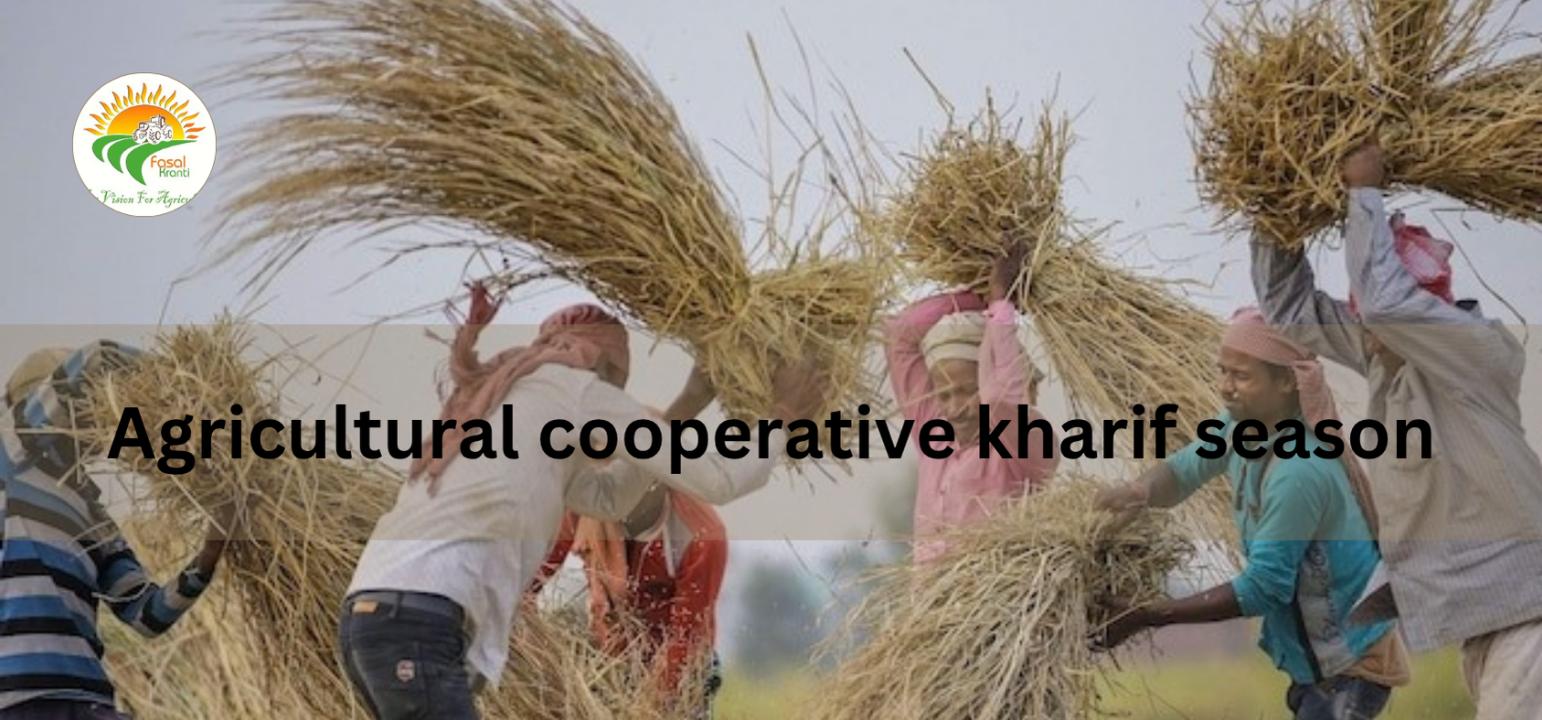

The Kharif season is the lifeline of Indian agriculture. With the arrival of monsoon rains from June to October, farmers across the country sow crops like rice, maize, cotton, pulses, bajra, and soybeans. But despite its importance, the Kharif season also brings major challenges rising input costs, changing weather, poor market prices, and limited access to government schemes.
For small and normal farmers, going solo in this season can be tough. But there is a simple, powerful solution that is changing lives: Farmer unity through agricultural cooperative.
When farmers come together, share resources, and make decisions as a team, they can farm smarter. Let’s explore how unity in farming especially during the Kharif season can turn a struggle into success.
1. Why Unity Matters in Kharif Season
In the Kharif season, timing and teamwork are everything. From sowing seeds at the right time to getting inputs like fertilizers and pesticides, farmers must act quickly and efficiently. Unity helps in several key ways:
- Collective buying means lower prices for seeds, fertilizers, and pesticides.
- Sharing knowledge helps even small farmers learn modern techniques.
- Joint selling boosts bargaining power in the market.
- Access to government support becomes easier when applying as a group.
When farmers act as a united group, they don’t just save money they grow smarter, reduce risk, and earn more.
2. What is an
Agricultural Cooperative?
An agricultural cooperative is a
group formed by farmers who come together to support each other and grow stronger
as a team. These cooperatives help members buy seeds, fertilizers, and other
inputs in bulk at lower prices, share expensive tools and machinery, and access
expert training on modern farming practices. Co-ops also allow farmers to sell
their produce together, getting better market prices and reducing dependence on
middlemen. Most importantly, cooperatives help farmers access government
schemes, insurance, and easy loans. Owned and run by the farmers themselves,
agricultural cooperatives work on the principle of by the farmers, for the
farmers ensuring
that every member benefits equally and grows together.
Example:
Instead of 50 farmers buying fertilizers separately at high prices, the co-op buys one large batch at a discount and distributes it. Everyone saves money and gets better quality.
3. Benefits of Unity Through Co-ops in Kharif Season
A. Affordable Quality Inputs
One of the biggest problems during Kharif is expensive or fake seeds and chemicals. Cooperatives solve this by:
- Buying certified seeds and fertilizers in bulk
- Negotiating with suppliers for better deals
- Ensuring timely delivery for early sowing
This helps members get reliable, cost-effective inputs key to better yields.
B. Access to Tools and Machinery
Many small farmers cannot afford tractors, seeders, or sprayers. Co-ops solve this through shared equipment banks, where members can rent machines at low costs.
This is especially useful in Kharif, where:
- Timely sowing make certain good germination
- Spraying pesticides can prevent early crop loss
- Mechanized harvesting saves time and labor
C. Expert Guidance and Training
Many farmers still use traditional methods due to lack of awareness. Co-ops often partner with Krishi Vigyan Kendras (KVKs), NGOs, or government agencies to train farmers in:
- Proper seed treatment
- Pest and disease management
- Water conservation and drip irrigation
- Organic farming practices
These small changes can make a big impact on Kharif yields.
D. Better Market Access
After the harvest, the biggest challenge is selling at a good price. When farmers sell alone, they face middlemen and unfair rates.
But co-ops:
- Negotiate better rates with buyers
- Sell directly to mandis or food companies
- Store grain in warehouses and wait for better prices
- Set up their own outlets or Farmer Producer Companies (FPCs)
This means more income and less exploitation.
E. Credit, Insurance, and Subsidies
Co-ops help members access:
- Short-term crop loans
- PM-KISAN, PMFBY, and other schemes
- Subsidies on seeds, machinery, and irrigation
Many small farmers don’t have the documents or knowledge to apply for these benefits. Co-ops make the process easier, helping every member grow with support.
4. Real-Life Success Stories
Maharashtra Paddy Co-op Success
In Gadchiroli, tribal farmers joined a paddy-growing cooperative that provided organic training. Their yields increased by 30%, and they started selling rice directly to cities.
Punjab Machinery Sharing
In Mansa, a co-op set up a custom hiring center with tractors and seeders. Kharif sowing became faster and cheaper, helping hundreds of small farmers.
Tamil Nadu Millet Marketing
A millet cooperative in Dharmapuri helped farmers package and brand their crops. They now earn better rates from supermarkets and online sales.
These stories show how farmer unity can transform rural lives.
5. How to Join or Start a Cooperative
Joining a co-op is simple. You can:
- Ask your local agriculture department for registered co-ops
- Talk to nearby farmers and form a new one with 10+ members
- Register under the Cooperative Societies Act
- Open a bank account and elect a managing team
- Apply for government support to get started
Your Krishi Vigyan Kendra (KVK) or local agriculture officer can guide you step-by-step.
6. Challenges – and How Unity Solves Them
While co-ops are powerful, they face some challenges:
- Poor management: Solved through training and transparent elections
- Lack of awareness: Solved through farmer education
- Political interference: Solved by keeping co-ops member-driven
- Limited funds: Solved by pooling resources and applying for grants
With strong leadership and unity, co-ops can overcome these hurdles and grow stronger every season.
7. Government Support for Co-ops
The government encourages cooperatives under schemes like:
- Formation & Promotion of 10,000 FPOs
- National Cooperative Development Corporation (NCDC)
- Subsidies on equipment, storage, and training
Joining a co-op can give you priority access to loans, insurance, and disaster relief especially important during uncertain monsoons.
8. Why Now Is the Best Time to Join a Co-op
The Kharif season is your chance to grow and earn. With rising costs and changing weather, farming alone is risky. But with unity, everything becomes easier:
Inputs cost less
Crops grow better
Selling brings more profit
Risks are shared and reduced
By joining a cooperative today, you prepare for a stronger Kharif and a better future for your farm and family.
Remarks
The power of farming doesn't
just come from the soil it comes from the strength of farmers working together.
In a season as crucial as Kharif, unity can make the difference between profit
and loss, stress and success.
Agricultural cooperative are not just organizations. They are farmer families helping each other grow, earn, and thrive. They are the future of smart, secure, and profitable Kharif farming.