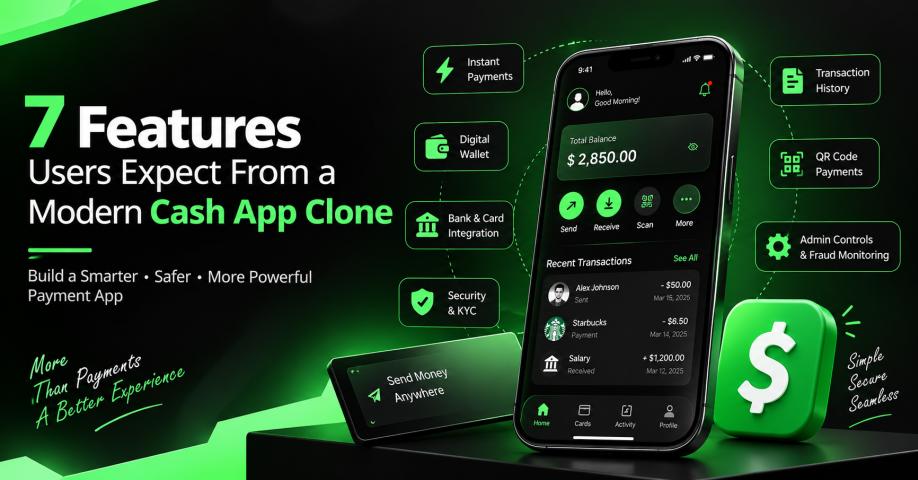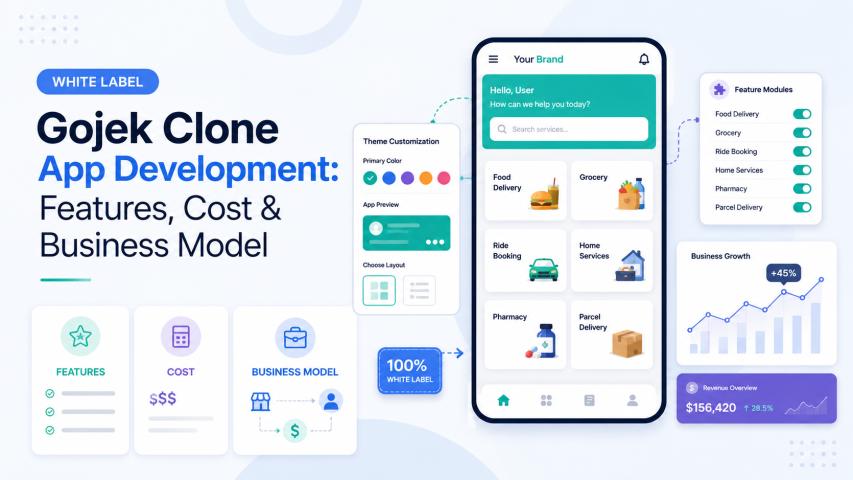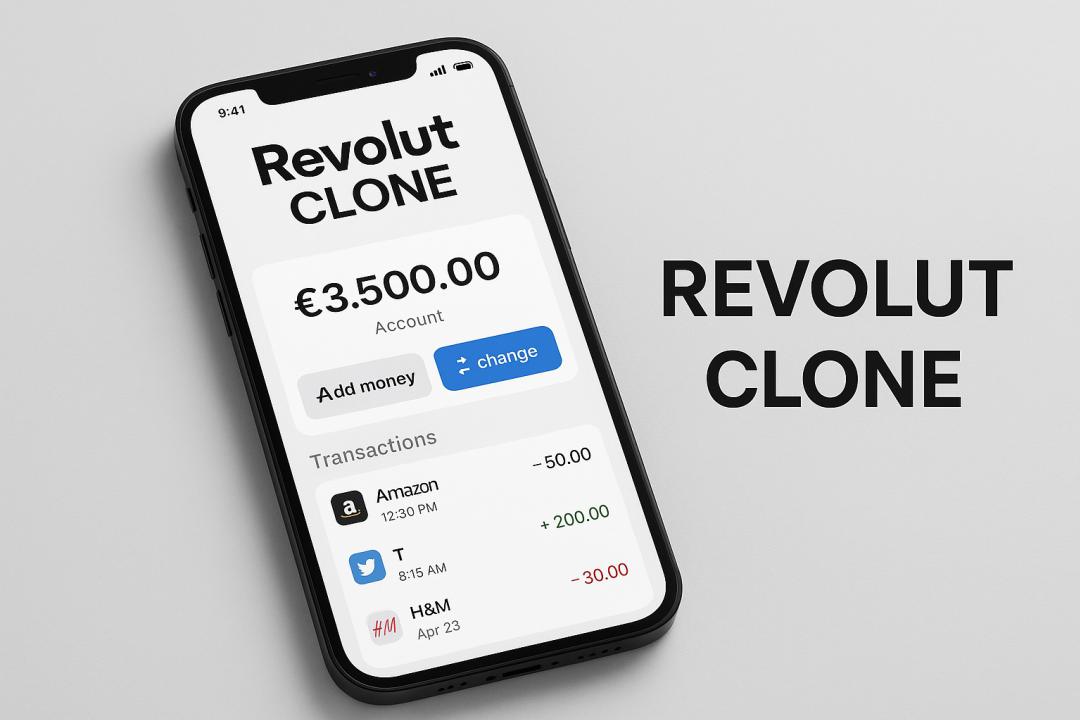

In today’s fast-paced financial ecosystem, traditional banks are struggling to meet the needs of digitally-savvy consumers. Enter Revolut — the digital banking app that disrupted the fintech space with instant payments, currency exchange, crypto trading, and more. If you're a startup or enterprise looking to make a mark in digital finance, developing a Revolut clone could be your game-changer.
What is a Revolut Clone?
A Revolut clone is a ready-made fintech solution that replicates the core features and design of the Revolut app. It can be customized to include your branding, additional functionalities, or compliance preferences. This type of solution dramatically reduces development time and cost while providing a proven user experience.
Why Build a Revolut Clone in 2025?
The demand for neobanking services is growing rapidly. Consumers are ditching traditional banks in favor of flexible, mobile-first alternatives. As of 2025, the digital banking market is expected to surpass $20 billion globally. Here’s why launching a Revolut-like app is a smart move:
Low Overhead: Operate without physical branches.
User-Centric Design: Offer seamless onboarding and real-time control.
Modular Revenue Models: Leverage subscriptions, transaction fees, and FX markups.
Core Features of a Revolut Clone
To compete with fintech giants, your Revolut clone must deliver robust and intuitive features:
Multi-Currency Account: Let users hold, exchange, and spend in multiple currencies.
International Money Transfers: Enable cross-border payments with real-time exchange rates.
Crypto Wallet: Allow users to buy, sell, and hold cryptocurrencies.
Budgeting Tools: Offer spending analytics, savings goals, and financial insights.
Virtual & Physical Cards: Issue cards for online and offline purchases with spending controls.
KYC & Compliance: Integrate user verification and anti-fraud systems to meet regulatory standards.
Technology Stack for Revolut Clone Development
Creating a scalable and secure fintech app requires the right technology mix. A typical stack includes
Frontend: React Native or Flutter for cross-platform mobile development.
Backend: Node.js or Django for server-side logic and integrations.
Database: PostgreSQL or MongoDB for reliable data handling.
Cloud Services: AWS or Google Cloud for hosting and scalability.
APIs: Payment gateways, FX rate providers, and banking-as-a-service (BaaS) platforms.
Business Model & Revenue Streams
The Revolut clone app can be monetized in multiple ways:
Subscription Plans: Offer tiered services with premium features.
Currency Exchange Margin: Profit from FX rate markups.
Interchange Fees: Earn a percentage of card-based transactions.
Crypto Trading Fees: Charge users for buying/selling digital assets.
Value-Added Services: Sell travel insurance, rewards, or cashback.
How to Get Started
Market Research: Identify your target audience, regions, and regulatory requirements.
Choose a Development Partner: Work with fintech experts who offer white-label solutions.
Customize Features: Tailor the app to include your brand and unique services.
Launch & Market: Deploy the app with strategic marketing campaigns.
Conclusion :
Developing a Revolut clone in 2025 is more than just copying a fintech giant — it’s about reimagining digital banking for your market. With the right tech stack, feature set, and business model, you can launch a secure, scalable, and customer-centric financial app. Whether you're entering emerging markets or disrupting existing ones, a Revolut clone is your fastest path to fintech success.