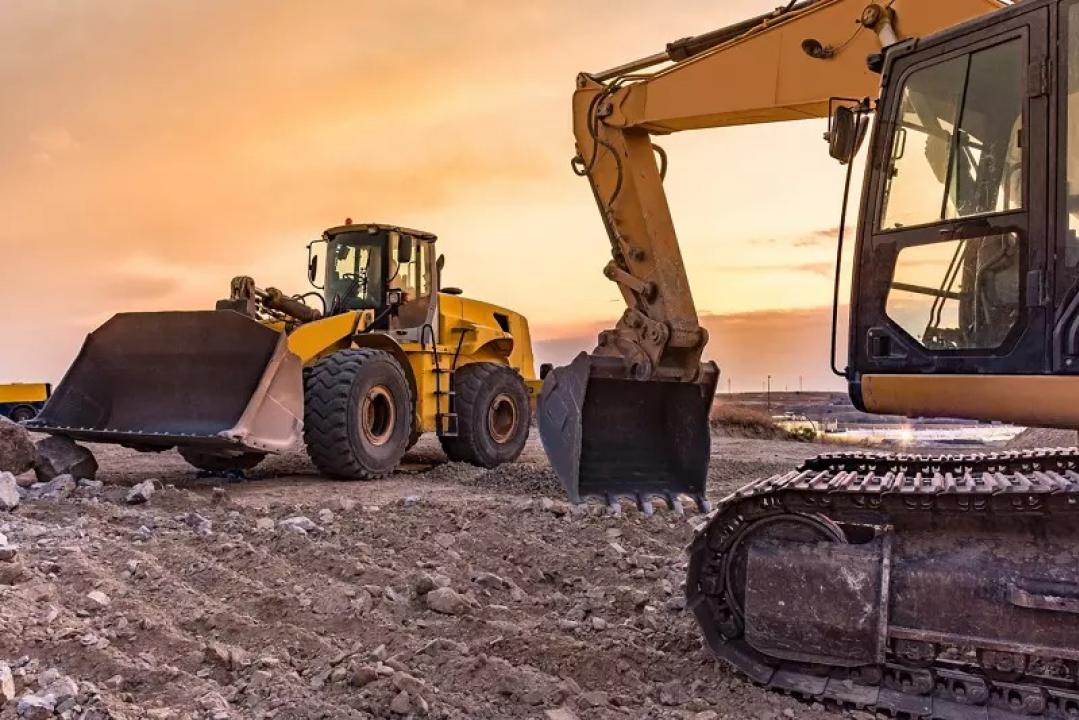
The standard images we have of heavy equipment like bulldozers and excavators, and cranes connect to large construction sites and major infrastructure project,s together with skilled suppliers who maintain progress. People usually ignore the existence of a multi-billion-dollar black market that trades these machines. Modern-day organized equipment theft operates secretly through an expanding black market of hidden machinery that originated both within and beyond legal boundaries.
Why Heavy Equipment Becomes a Hot Target
Heavy construction machines do not fall into the category of easily stolen items such as consumer electronics or automobiles. Heavy equipment experiences multiple challenges as a theft target because of its large size and its storage within secure areas, and its difficulty in moving. The very characteristics that make machines difficult to steal result in them being sought after in illegal markets. Due to their high resale value and inadequate international registration platforms, and limited GPS tracking capabilities, these stolen backhoes and forklifts become almost impossible to trace across international borders. Behind the scenes, thieves move equipment that remains idle at night or in isolated construction sites to seaports and land border zones before personnel can detect them.
How the Black Market Operates
Heavy equipment transactions in the black market function without operating on street corners or secret alleys. The illicit market exists across corrupted supply chains while using falsified documentation together with highly intricate multinational networks. Stolen equipment gets its appearance updated via repaints before criminals rebrand the devices while changing serial numbers to sell them through criminal vendors with fake invoices. Some purchasers remain unaware that the machines they acquire stem from stolen equipment. Even a heavy equipment supplier may unknowingly handle stolen machines if sourcing is not thoroughly verified. Equipment tracking becomes problematic after it leaves the origin country as a result of complicated global shipping operations combined with irregular customs procedures.
Real Cases That Shocked the Industry
In 2022 investigators in Canada found that 50 pieces of stolen construction machines left the country for the Middle East with falsified shipping documents. During the four-year span the group responsible for stealing equipment managed to take more than 300 machines from 10 different U.S. states. The thieves worked with dishonest company insiders who used counterfeit supplier documents as part of well-structured theft operations. These types of thefts show that well-known equipment suppliers remain at risk.
Europe has experienced major smuggling frauds in recent years. In 2020 Italian police discovered many stolen machines being shipped to North Africa through phony EU shipping records. Theft of equipment in Japan and Korea regularly finds its way to Myanmar and Cambodia. The cases demonstrate that this problem affects every part of the world.
The Role of Suppliers
Suppliers maintain an essential position in this network. Legal suppliers stick to rigorous checks and report crime to authorities while keeping ownership records safe. Many supplier companies fail to perform adequate security checks. When suppliers buy and resell stolen equipment it happens unintentionally because they specialize in used machinery. Their errors stem from doing business under time pressure and failing to properly scan serial numbers. An equipment trader dealing in high volumes may overlook red flags in documentation or ownership history due to rushed transactions.
The business atmosphere drives some small and individual suppliers to take shortcuts with their operations. Suppliers who need to deliver quickly often accept doubtful documents without proper checks to complete orders or meet deadlines.
How Technology is Helping and Hurting
Technology works both as protection and weakness in fighting equipment trafficking. Modern supply chain technology lets suppliers check system data and monitor machine location to detect authentic equipment. These security systems do not protect completely against smugglers. Professional smugglers defeat GPS monitoring by turning off tracking devices and they break into systems to create phony digital documents that trick security tools. Security improvements and hiding methods fight each other to keep the black market active.
Companies now join their supplier systems to facial identification for drivers plus AI shipping risk detection and machine learning fraud monitoring. The technology shows potential benefits but organizations have not fully embraced it yet. These areas cannot handle or control advanced tools because they do not have basic enforcement systems in place.
What Needs to Change
The heavy equipment industry demands better connections between companies that produce machinery parts, suppliers, border checkpoints, and technology providers to tackle this worldwide problem. Among essential changes, universal records of equipment owners need to link with global tracking standards, and new owners must register product details before sale. Suppliers need to learn about stolen equipment indicators plus spend money on safe shipment methods. Customers have to ask suppliers about their product origins and production ethics.
National authorities should impose stronger penalties on illicit smuggling activities while strengthening port security systems. They must also assist manufacturers who upgrade their safety processes. Law enforcement at both national and global levels need to unite their efforts against criminal groups that receive constant financial backing.
Overview
The widespread sale of stolen heavy equipment exists as a global problem that results from underenforced laws and easy profitability. Although suppliers provide first line protection they face greater exposure to threats than other supply chain participants. Using technology tools added to security checks and unit tracking will help fight equipment trafficking throughout the industry. Infrastructure development needs solid workers at its center to power machines effectively.