A play-to-earn game allows players to earn tradable rewards by participating in gameplay. Behind these games, an NFT game development company builds the technical structure that makes earning, owning, and trading digital assets possible.
These companies specialize in integrating blockchain systems with gaming environments, ensuring assets are securely minted, stored, and transferred. They also create smart contracts, NFT ecosystems, and token utilities that form the backbone of any play-to-earn model.
1. Blockchain Integration for Secure Asset Ownership
An NFT game development company connects in-game actions to blockchain events, allowing players to claim digital ownership of assets through NFTs. This process is essential in play-to-earn games, where player-earned items hold real-world value.
Blockchain integration ensures that once a player earns a reward, it becomes verifiable and tradable. Developers manage this through secure smart contracts that confirm asset creation and prevent duplication or fraud.
2. Smart Contract Development for Reward Distribution
Reward distribution must be accurate, transparent, and tamper-proof. An NFT game developer writes smart contracts to manage player rewards based on in-game performance or milestones.
These contracts automatically deliver NFT assets or native tokens to a player's wallet. Since play-to-earn models are built around trust, even small flaws in contract logic can disrupt gameplay. This is why smart contract development is one of the most important services offered by NFT game development companies.
3. NFT Minting and Asset Functionality
Players in NFT-based games earn items like weapons, cards, skins, or land. Each asset needs to be unique, trackable, and functional. NFT game development services include minting logic, where assets are created based on specific game triggers.
The process includes:
-
Assigning metadata and ownership
-
Creating scarcity or rarity rules
-
Storing NFTs on a blockchain (e.g., Ethereum, BNB Chain, Polygon)
Developers also design these assets to work inside gameplay—offering advantages, upgrades, or value over time.
Want to develop a play-to-earn NFT game with real asset value? Partner with a crypto game development company that builds secure, player-focused systems using blockchain and smart contracts.
4. GameFi and Tokenomics Planning
The play-to-earn game model depends heavily on its economic design. A proper balance between token supply, utility, and player rewards prevents inflation and abuse. NFT game development experts create reward structures that support:
-
Native token utility in gameplay
-
Staking or farming options for token holders
-
Burn mechanisms to control supply
GameFi-focused teams understand how to align gameplay mechanics with token flow to support long-term engagement.
5. Wallet Integration and User Access
To access a play-to-earn game, users must connect crypto wallets. Developers enable wallet compatibility using tools like MetaMask, WalletConnect, or custom Web3 bridges. This allows players to:
-
Log in using their blockchain wallet
-
Receive NFTs or in-game tokens
-
Buy or sell assets within the game ecosystem
NFT game development companies focus on making this process secure and smooth for both new and experienced users.
6. NFT Marketplace Development
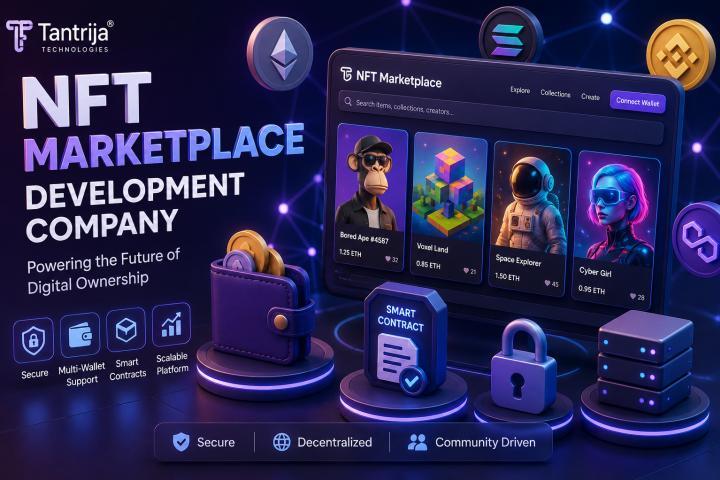
Many NFT-based games offer built-in or external marketplaces. Here, players can trade or list their assets freely. Developers create these marketplaces with features such as:
-
Wallet-based login
-
Asset filtering and search
-
Buy, sell, or bid functions
-
Transaction history tracking
An NFT gaming platform developer ensures that marketplaces follow blockchain standards and offer low fees, quick processing, and strong user protections.
7. Cross-Chain Compatibility for Broader Reach
Some NFT games support multiple blockchains. This allows players to use assets across different networks or enjoy lower transaction costs.
An NFT game development agency helps build cross-chain bridges or launch projects on scalable networks like:
-
Polygon
-
Avalanche
-
Solana
-
BNB Chain
This flexibility expands access and allows game developers to reach players in multiple regions and platforms.
Conclusion
The role of an NFT game development company is technical, strategic, and essential. These teams handle everything from blockchain integration and smart contract logic to asset minting and token design. With the growing demand for play-to-earn NFT games, reliable development support is key to launching secure, scalable, and rewarding projects.