Introduction
What Is Applications Modernization?
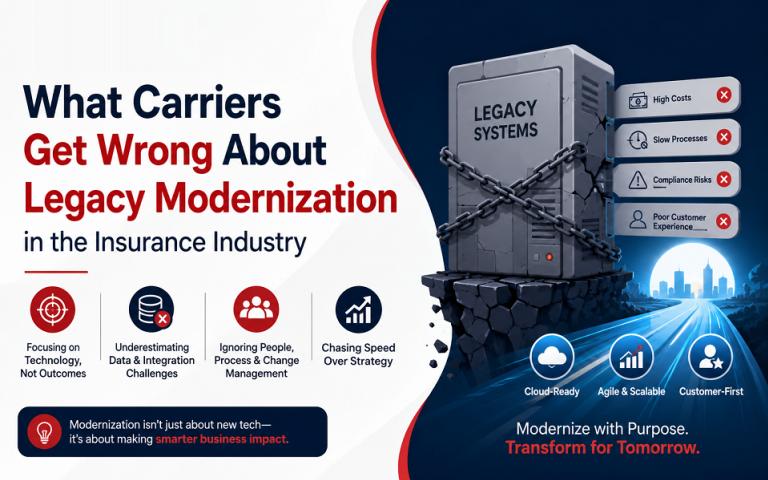
Applications Modernization is the strategic process of updating and optimizing legacy software to align with modern infrastructure, user expectations, and business goals. It involves transforming old systems—often built decades ago—into agile, cloud-friendly, and scalable solutions that meet today's digital demands.
Think of it like remodeling a vintage home. You retain the value but upgrade the functionality to match the modern life>
Why 2025 Is a Pivotal Year for Modernization
In 2025, the pressure to modernize is greater than ever. With advancements in cloud computing, AI, and edge technologies, organizations can no longer afford to run mission-critical systems on outdated software. Staying competitive means embracing change—and applications modernization is the blueprint for future-ready tech.
Understanding Applications Modernization
Definition of Applications Modernization
Applications Modernization is the process of improving the functionality, architecture, and performance of existing applications to support current and future business needs. It includes activities like code refactoring, platform migration, re-architecting, or even complete rebuilds.
Traditional vs. Modern Applications
Traditional Apps | Modern Apps |
Monolithic Architecture | Microservices-based |
On-Premise Deployment | Cloud-Native or Hybrid |
Manual Updates | CI/CD Automated Pipelines |
Poor Scalability | Auto-Scaling Capabilities |
Common Triggers for Modernization
- Rising maintenance costs
- Regulatory compliance requirements
- Integration limitations
- User dissatisfaction and lagging performance
Key Benefits of Applications Modernization
Enhanced Performance and Scalability
Modernized apps leverage cloud-native technologies, allowing them to auto-scale based on demand while maintaining high performance under heavy workloads.
Improved Security Posture
Old apps are often vulnerable to modern cyber threats. Applications modernization introduces up-to-date security protocols, encryption, and compliance controls.
Cost Savings and ROI
Reducing technical debt can save thousands in maintenance. Modern platforms also optimize infrastructure costs by using pay-as-you-go models.
Boosting Innovation and Agility
A modern stack enables faster feature development, seamless integration, and rapid deployment—giving businesses the agility to innovate quickly.
Popular Applications Modernization Strategies
Rehosting (Lift and Shift)
Move apps from on-premise to cloud without major changes. It’s fast but doesn’t improve code quality.
Refactoring
Optimize parts of the codebase for better performance or scalability while keeping the overall architecture intact.
Rearchitecting
Rebuild application components using modern patterns such as microservices, APIs, or event-driven architecture.
Rebuilding
Start from scratch using modern programming languages and frameworks while retaining original functionality.
Replacing
Completely switch to a new, often SaaS-based solution. Ideal when the legacy system no longer meets business needs.
Cloud and Applications Modernization
The Role of Cloud in Modernization
Cloud platforms (AWS, Azure, GCP) offer the flexibility, scalability, and tools needed for successful applications modernization.
Public vs. Private vs. Hybrid Cloud
Public Cloud: Cost-effective and scalable
Private Cloud: More control and security
Hybrid Cloud: Balance of both for sensitive workloads
Cloud-Native Development
Building apps to fully leverage the cloud’s scalability, resilience, and distributed nature is key to long-term success.
Tools and Technologies Enabling Modernization
Containers and Kubernetes
Containers allow apps to run reliably in different environments. Kubernetes orchestrates them at scale.
APIs and Microservices
Break down apps into small, independently deployable services for better management and scalability.
DevOps and CI/CD Pipelines
Automate testing, deployment, and rollback for faster and safer releases.
Low-Code/No-Code Platforms
Empower non-developers to create or modify apps using visual interfaces, accelerating modernization efforts.
Challenges in Applications Modernization
Legacy System Complexity
Old codebases can be massive and undocumented, making modernization risky and time-consuming.
Budget and Resource Constraints
Modernization isn’t cheap. It requires skilled professionals, tools, and time.
Change Management and Training
New systems mean retraining staff and ensuring adoption, which can be met with resistance.
Step-by-Step Guide to Start Applications Modernization in 2025
Step 1: Assess Current Application Portfolio
Categorize apps by business value, complexity, and tech debt.
Step 2: Define Business Objectives
Align modernization goals with strategic business outcomes like improving UX or reducing time-to-market.
Step 3: Choose the Right Modernization Path
Based on factors like budget, app criticality, and resource availability.
Step 4: Execute and Iterate
Roll out in phases. Test frequently. Gather feedback. Optimize continuously.
Applications Modernization vs. Digital Transformation
How They’re Related but Not the Same
Applications Modernization is a key component of Digital Transformation but focuses specifically on software upgrades, not organizational change.
Which Comes First?
Typically, modernization lays the foundation for broader digital transformation initiatives.
Metrics to Measure Modernization Success
- User Adoption Rates
- Performance Benchmarks
- System Uptime
- Cost Reductions
- Time to Market
Best Practices for Successful Modernization
- Prioritize High-Impact Applications first to demonstrate value.
- Involve Stakeholders Early to build alignment.
- Focus on User Experience (UX) to drive adoption.
- Maintain Backups and Rollback Plans to mitigate risks.
Future Trends in Applications Modernization
AI-Powered Modernization
AI helps in code analysis, bug detection, and automated testing.
Edge Computing and IoT
Modern apps will be deployed at the edge to support real-time data from connected devices.
Quantum Computing Potential
Still emerging, but modernization strategies should keep adaptability in mind for this future tech.
Choosing the Right Partner for Applications Modernization
What to Look for in a Modernization Partner
- Proven track record
- Industry expertise
- Scalable solutions
- Strong support services
Questions to Ask Vendors
- What’s your approach to risk management?
- How do you handle legacy integrations?
- Do you offer post-implementation support?
Conclusion
Applications Modernization isn’t just a tech upgrade—it’s a business transformation. As we move deeper into 2025, the organizations that prioritize modernization will lead the pack in agility, innovation, and customer satisfaction. Whether you're starting small or rearchitecting your entire stack, the time to act is now.
FAQs
1. What are the signs you need applications modernization?
Slow performance, high maintenance costs, lack of integration capabilities, and outdated user interfaces are strong indicators.
2. How long does the modernization process typically take?
Anywhere from a few months to over a year, depending on complexity and scale.
3. Is cloud migration the same as applications modernization?
No. Cloud migration moves apps to the cloud; modernization updates the app architecture, performance, and security.
4. What is the cost range for applications modernization?
It varies widely—from $50,000 for small apps to millions for enterprise-scale systems.
5. Can small businesses benefit from applications modernization?
Absolutely! Even a simple refactoring can improve performance and cut costs.