Many people view owning an RV as the first step toward freedom, adventure, and lifelong memories while traveling. Understanding RV repair, the various types available, and the buy and sell process is crucial, regardless of whether you're thinking about buying your first RV, selling, or just wanting to keep your rig in top condition. Everything you need to know to maximize your RV ownership will be covered in this guide.
RV Repair: Maintaining a Road-Ready Home on Wheels
Maintaining the safety, dependability, and comfort of your RV requires routine repair and maintenance. RVs require maintenance for both mechanical and living systems because they combine the complexity of a house and a vehicle.
Regular Checks: Make sure all mechanical and safety systems are operating properly by conducting pre-trip inspections. Slideouts, tires, batteries, and seals should all be inspected once a month. Oil changes, brake inspections, and comprehensive examinations of the propane system and appliances should all be included in the quarterly and annual maintenance schedule.
Common Repairs: Roof leaks, slide-out malfunctions, appliance failures, and plumbing or electrical issues are among the common problems that RV owners deal with. Costly damage can be avoided by taking care of these early. For instance, yearly resealing can help reduce roof leaks, but if mechanical or electrical issues arise, slide-out repairs might need expert assistance.
DIY vs. Professional Repair: With simple tools and a little know-how, you can do a lot of small repairs, like replacing a vent fan or repairing a leaky roof. It is advised to seek professional advice for more complicated problems, particularly those involving electrical or propane systems.
Cost considerations: The price of repairs varies greatly. Slide-out repairs can cost anywhere from $500 to $2,000, while roof repairs can cost anywhere from $200 to $1,000. Depending on the problem and the parts required, appliance repairs and replacements usually cost between $150 and $1,500.
RV Types: An Overview of Class A and Class C
Class A and Class C motorhomes are two of the most common types that you will come across when looking for an RV.
Class A RV: The biggest and most opulent motorhomes are classified as class A. They have roomy interiors, upscale amenities, and frequently slide-outs for additional space. They are constructed on a sturdy chassis. Class A models are perfect for long trips or full-time living, but because of their size, they are more difficult to drive and park.
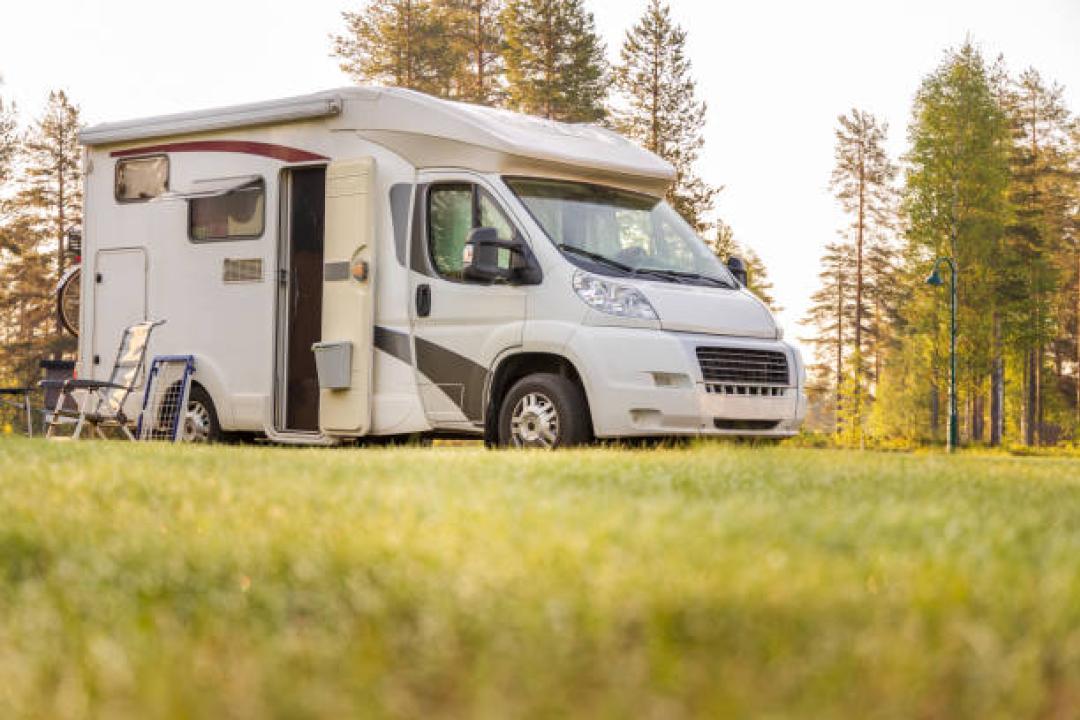
Class C RVs: Class C motorhomes are constructed on a van or truck chassis and are identified by their over-cab sleeping area. Families and weekend explorers love them because they are smaller and easier to handle than Class A models. Comfort and manageability are well-balanced in Class C RV.
Both kinds have benefits, and the best option for you will rely on your comfort preferences, travel preferences, and financial constraints.
Success Strategies for Purchasing and Selling RVs
The secret to a successful transaction, whether you're looking to buy or sell an RV, is knowing the market and getting your car ready.
When purchasing an RV, start by figuring out what kind of RV best suits your needs and your budget. Look through local listings, do a thorough inspection, and test drive the car. Remember to review maintenance logs and inquire about any new improvements or repairs.
Selling Your RV: Make sure your RV is clean from the inside out, take care of any repairs that need to be done, and collect all required documentation in order to get the best price. Make a thorough listing that includes excellent photographs, a concise description of the features, and the history of maintenance. Selling more quickly can be achieved by setting competitive prices and answering questions quickly.
Important RV Accessories and Upkeep Advice
Regular repairs are only one aspect of keeping your RV in top condition. Here are a few more pointers:- Essential Accessories: Keep extra fuses, lights, and seals on hand. You can manage small problems on the road by carrying a multimeter, sealant, and a basic toolkit.
- Seasonal Maintenance: Modify your maintenance schedule according to the time of year. For instance, if you live in a cold climate, winterize your RV; in hot weather, pay particular attention to cooling systems and seals.
- Safety Equipment: Test fire extinguishers, carbon monoxide detectors, and smoke detectors on a regular basis. As necessary, check expiration dates and replace batteries.
FAQ: Types, Repair, and Purchase/Sale of RVs
How frequently should I do RV maintenance and repairs?
A: Conduct monthly inspections, more extensive maintenance quarterly and annually, and basic checks prior to each trip.
What distinguishes Class A RVs from Class C RVs?
A: Class C RVs are smaller, easier to drive, and built on van or truck chassis, whereas Class A RVs are larger, more opulent, and constructed on heavy-duty chassis.
Can I take care of RV repair on my own?
A: With the right equipment and information, many small repairs can be completed on your own. Seek expert assistance for complicated problems, particularly those involving electrical or propane systems.
When purchasing a used RV, what should I look for?
A: Examine the tires, seals, electrical, plumbing, engine, and appliances. Examine maintenance logs and inquire about any recent repairs.
How can I sell my RV fast?
A: Get all the paperwork together, clean and fix your RV, and make a thorough listing with pictures. Set a competitive price and get back to prospective customers right away.
What are some typical problems with RV repair?
A: The most frequent problems include leaks in the roof, malfunctioning slide-outs, appliance failures, and plumbing or electrical issues.
Although it has its advantages, owning an RV has its drawbacks. You'll have many years of comfort and adventure on the road if you keep up with RV near me, know the various kinds that are available, and make sensible decisions when buying and selling.