
Outdoor advertising matters much in influencing consumer choice in the UK. Smaller displays in city centres and the standard eye-catching boards to motorway advertising have made billboard advertising a trusted avenue for mass marketing. However, today, advertisers are faced with a crucial decision of either sticking with traditional billboards or going digital.
The following guide considers all under the two systems, considering what makes each unique, when they work best, and all other important criteria worth considering before venturing into either. For business people or marketers, this is going to be an important resource in making the choice.
A Brief on Traditional Billboards
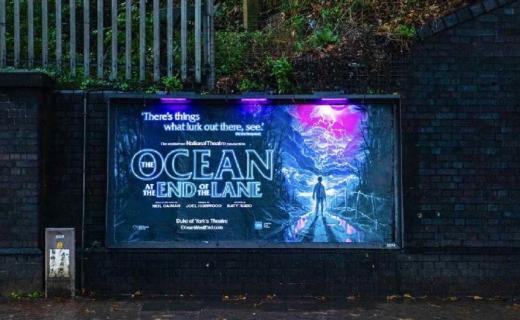
The traditional billboards are, rather, static printed billboards that for decades have been defining the urban and rural landscape in the UK. These boards usually present a singular message or image on one flat canvas surface printed onto vinyl or paste-up paper and mounted on a fixed structure. The message, once installed, remains for the entire duration of the campaign.
A well-crafted traditional billboard delivers one clean message to each person who walks past. It does not depend on technology, making it reliable, robust, and consistent for all weather and lighting conditions.
The Factors Why Traditional Billboards Still Work
The traditional billboard still works across the U.K. for some reason. First is continuous exposure; your message is always exhibited, no rotations, no time shares, no interruptions. This kind of synergy helps a brand get recognition because of each repeated viewing of this image in a person's daily routine, through work.
Second, traditional billboards have a comforting nature and seem trustworthy. In an all-screen-world scenario, conspicuously large yet static boards appear different, perhaps even easier to digest. Maintaining simplicity with a call to action, a few words, and one striking image.
Thirdly, the billboards also possess the privilege of being cheaper over time for ongoing campaigns. It keeps maintenance cheap, since there is no high technology to maintain. It ought to be simple to maintain at the bare minimum while allowing for natural wear and tear.
The Rise of Digital Billboard Advertising
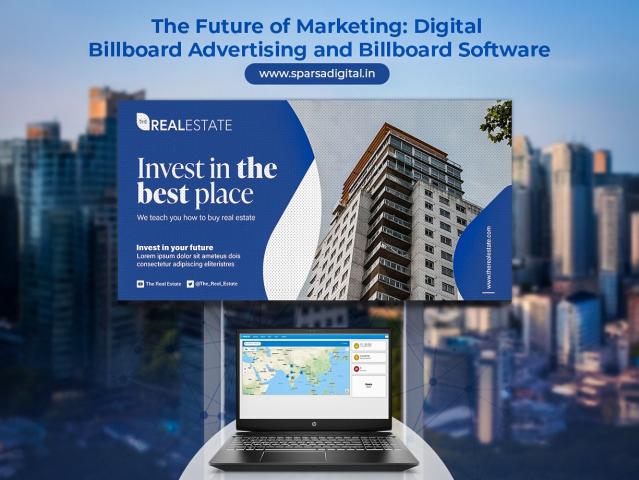
Digital billboard advertising is rapidly increasing in the UK, growing heavier in the urban areas of London, Manchester, and Birmingham. These billboards are basically LED screens where advertisements can be changed frequently or even shown in moving images or animation.
A major strength of digital billboards is flexibility. You can put another creative message within hours and change messages during the day to appeal to a different audience at different times. It is this kind that keeps many businesses happy to use digital billboard advertising.
Advertising on digital billboards turns heads due in large part to bright lights and dynamic colours. Animated graphics and crisp images have a way of piercing through the visual noise of busy areas, wherein people tend to ignore static, inanimate signage.
Some Benefits of Digital Billboard Advertising
A single digital billboard ad will allow you to run multiple ads on one screen. Actually, there is now an opportunity to deliver different messages or share in the cost of an excellent location by taking up only time slots, instead of taking up the entire board.
Besides that, digital panels offer more room for real creative expression. For instance, the designer can employ animation, live data feeds, or even interactive elements like QR codes or countdown clocks to create that sensation of urgency and excitement that static panels cannot.
Digital boards allow instant changes to their creative messaging without delays caused by printing or installation. This means that they are very much suited for the fast-moving campaigns or reactive marketing.
Which One Works Best?
Each one has pros, and often a little bit of each will serve you better for increased visibility.
A traditional billboard is a good option when the target is one message that does not change and that is seen repeatedly. Such campaigns become long-term brand-building exercises or messages that really should not be changed often. For instance, a restaurant or a store can keep a single billboard ad out there to remind folks where it is and what it offers.
Digital billboards, conversely, perform better when you need flexibility in your advertising. Depending on the length of your promotion—for example, if each promotion is one time—multiple messages or eye-catching animation will be of the essence. A retailer who markets seasonal sales or a tech company releasing a tech product can make great use of the changes offered by digital boards.
Things to Consider Before Making Your Decision
When planning a billboard advertising UK, these factors are to be considered on the way:
1. Location
Where your billboard is situated affects how much it can be viewed. A traditional board on a busy road can get consistent views because drivers will see it every day. A digital billboard located inside the city might garner better interactive engagements from the crowd since they will have more dwell time at crossings or bus stops.
2. Audience
Whom are you attempting to address? If simple and straight-to-the-point messaging is valued by your audience, maybe a classic billboard can work. If their target audience consists of the tech-savvy, and new dynamic content enchants them, then they benefit from advertising through digital billboards.
3. Message
Is your message complicated, or do you need to show several promotions? With digital, you can alternate messages or even show much more detailed content one after another.
An effective traditional billboard is just one dramatic statement.
4. Budget
Traditional billboards run less expensive for longer campaigns since they are free of technology screens and electricity. Digital boards, however, can be a lot more expensive, but they also give you the option of buying time-share spots. In case of such a high-impact location, you don't have enough to commit to a full-time job.
5. Length of Campaign
Will this be in bursts of advertising or a long haul at the time? Digital suits short, intense campaigns. Traditional fits longer, steady branding efforts.
Creative Tips for Both Formats
Whatever you choose, great design is the answer. Let these rules of thumb help your billboard go to a higher level:
1. Keep it brief: Try to limit the number of words used. Typically, a person can only read your message for a few seconds.
2. Make it bold: Use compelling images coupled with big and clear fonts.
3. High contrast: Choose colours that will jump out and grab the attention of passersby, contrasted against the environment.
4. Have a call to action: Give them something to do, whether that is to visit your website or check out your nearest location.
5. Design for distance: Remember that people will be looking at your billboard from a great distance, and frequently while they are moving.
The Role Technology and Sustainability Play
The effects on the environment are another part. Conventional billboards have a smaller energy footprint; once printed and installed, they demand little energy for maintenance. Digital billboards, however, consume electricity, although their providers are increasingly mindful of the problem and are trying to use energy-efficient LEDs and renewable methods of generating power.
What Should UK Businesses Keep in Mind?
The UK advertising landscape is a varied one, allowing both formats to act in useful ways. Traditional billboards lend themselves to brand-building over time. Great for companies looking to get geared in a specific locality and communicate a simple message loud and clear.
Therefore, digital billboards offer advertisers a unique opportunity to capture media attention by immediately forcing some current trend, special event, or consumer action. They complement city life, which is fast and by-the-minute, as usual, so much is expected to be moving and engaging in the content shown on digital billboards.
Make Them Work Together for Maximum Impact
Some of the most effective promotions make use of both kinds of billboards. Once a brand has chosen to have traditional billboards on a major commuting route to reinforce the message well, digital billboards in the city centre would allow the dynamic updating of promotions and short-term offers.
By enabling your message to reach people from various fronts, you ensure maximum awareness and engagement.
The Final Takeaway
Both these types of advertisements have the potential to elevate activities in brand promotion throughout the UK.
Traditional billboards give exposure in a time-tested, steady way-which helps grow the brand for a more extended period. They are the cheaper option for campaigns where the billboard message may not change horizontally.
Digital billboards cover a modern area with ever-busy events and offer flexibility and dynamics needed to grab attention on the go. They let you change the content at will to either complement co-existing campaigns or suit presentation times, and are therefore extremely empowering.
To get the best result, you have to really understand what each kind of format has to offer and use that with what you need—sometimes submitting to a couple will do the trick. In good planning and with some appropriate creative work, billboard advertising could be the best value in visibility in the present-day market.