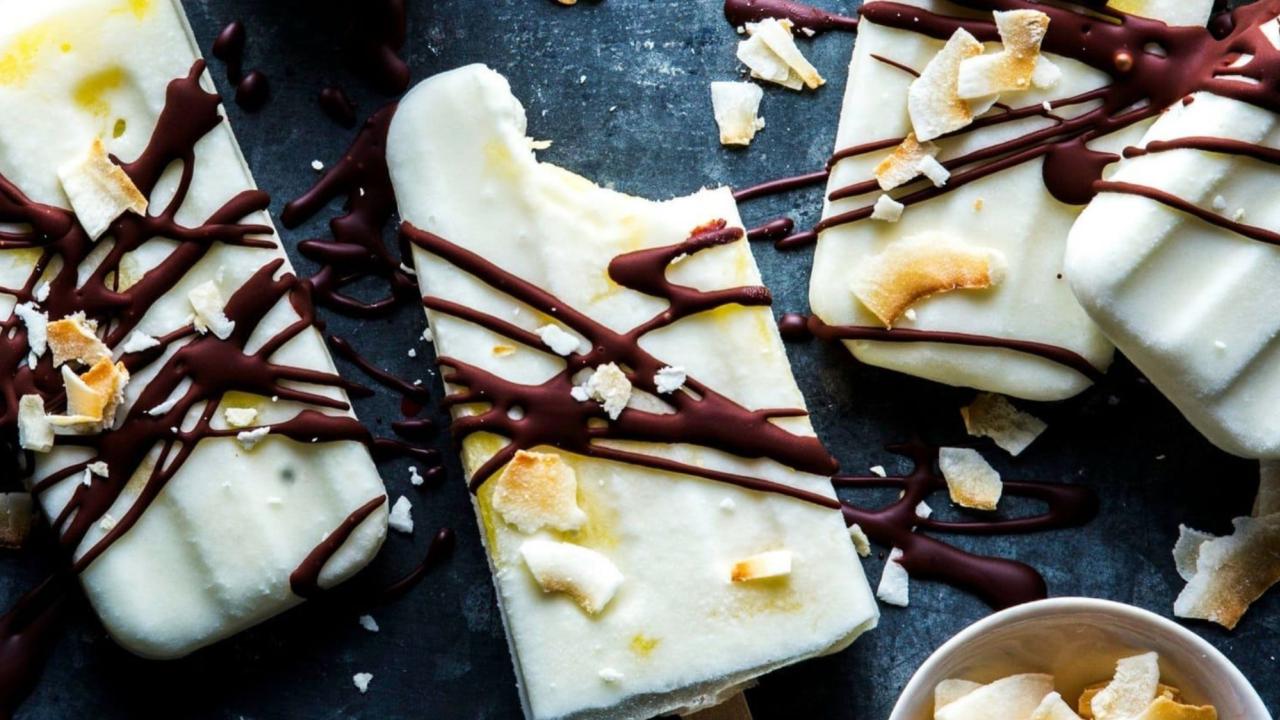
The world of frozen desserts is experiencing a tasty revolution as dairy-free offerings take increasing market share and consumer mindshare. Previously, specialty foods marketed quietly in health food outlets, plant-based frozen desserts now fill supermarket freezer shelves and small-batch artisanal ice cream shops with similar regularity.
The trend is evidence of changing consumer values regarding health, sustainability, and dietary inclusivity as innovation provides creamy mouthfeel and deep flavour without so-called ancient dairy components. For companies that are evolving with this trend, professional ice cream machine service guarantees that the equipment is ready to process new plant-based products efficiently. Learn about eight essential drivers behind the incredible growth of dairy-free frozen desserts in the market today.
Growing Vegan and Plant-Based Life>
The global vegan base has increased by 300% over the last decade, generating enormous demand for dairy substitutes. Consumers opting to consume plants for moral or environmental purposes are seeking rich frozen desserts in keeping with their life>
The consumer trend has even made ice cream giants to introduce vegan ice creams. In the present day such basic sorbets are ample because the market has developed more sophisticated ones, with premium ingredients equivalent to dairy in taste and consistency.
Sustainability and Environmental Issues:
Milk farming emits a lot of greenhouse gases as compared to plants. The ethical consumers appreciate that oat milk would require 80 percent less water and land compared to the dairy production sector. The climate disparity in carbon footprint is one of the attractions for ethical consumers, particularly the younger generations.
Eco-friendly packaging comes with these as well, with companies claiming their eco-friendliness. With sustainability becoming one of the drivers for purchasing ice cream, dairy-free products attract competitive share through lower environmental impact from production to the doorstep.
Health and Nutritional Perceptions of Innovation:
Today's dairy-free equivalents have clean labels featuring everyday ingredients which are attractive to health-conscious consumers. Most contain less saturated fats than regular ice cream but no calories. Coconut milk provides medium-chain triglycerides, almond milk provides vitamin E, and oat milk provides fibre.
Versions for zero sugar and added protein address certain nutritional requirements. The idea that plant foods are healthier, whether or not true, remains a driving force for trying and repeat buying among health-conscious shoppers.
Mainstream Retail Expansion:
A once-speciality store relegated product, dairy-free frozen desserts now occupy the top shelf position in mass supermarket freezers. Entire aisles in stores are dedicated to plant-based products, and sales evidence is exploding. Such exposure brings the category in front of mass-market consumers not specifically looking for alternatives.
Mass-market placement mainstreams by erasing any "alternative" stigma. Convenience stores are even carrying single-serve vegan ice cream sandwiches and bars and featuring them as impulse buys for all shoppers.
Celebrity and Chef Endorsements:
Influential celebrities and celebrity chefs advocating for plant-based living have made dairy-free enjoyment mainstream. Celebrity-backed brands become visible mainstream, and the dessert menus of restaurants include creative vegan offerings. Social media pushes the trends, with social media platforms posting trending content that highlights complicated dairy-free milkshakes and sundaes.
Commercial kitchens that support service focused on plant-based production legitimise the category's flavour credibility. Dairy-free frozen desserts become aspirational, rather than just alternative, due to top-down pull.
Equipment and Service Industry Adaptation:
Foodservice operations are retrofitting equipment to accommodate plant-based formulations, which have lower freezing points and viscosity than dairy. Expert machine service firms now provide formulation assistance and machine set-up for optimal dairy-free production.
This assistance allows foodservice operators to introduce menus with confidence. Manufacturers have answered with machines designed specifically for non-traditional bases, which further propels the category. Such industry infrastructure growth indicates the here-to-stay status of dairy-free in the frozen dessert sector.
Conclusion - Dairy-Free Frozen Desserts:
The revolution for dairy-free frozen desserts is a response to wider trends in consumer values surrounding health, ethics, and sustainability. Gone are the days when such offerings were merely a replacement for the lactose intolerant; these foods have become first-choice treats in their own right due to advanced flavour and texture. Companies that capitalise on this trend are aided by professional services to maximise their plant-based offerings.
As innovation gathers speed and mass acceptance rises, dairy-free foods will more and more be the norm and not the exception in frozen desserts. The category's expansion indicates how a market segment can be flipped by consumer demand to create delicious offerings that match modern values without losing joy.