KL University Satellites steal the spotlight at Rajamahendravaram Science Centre Inauguration
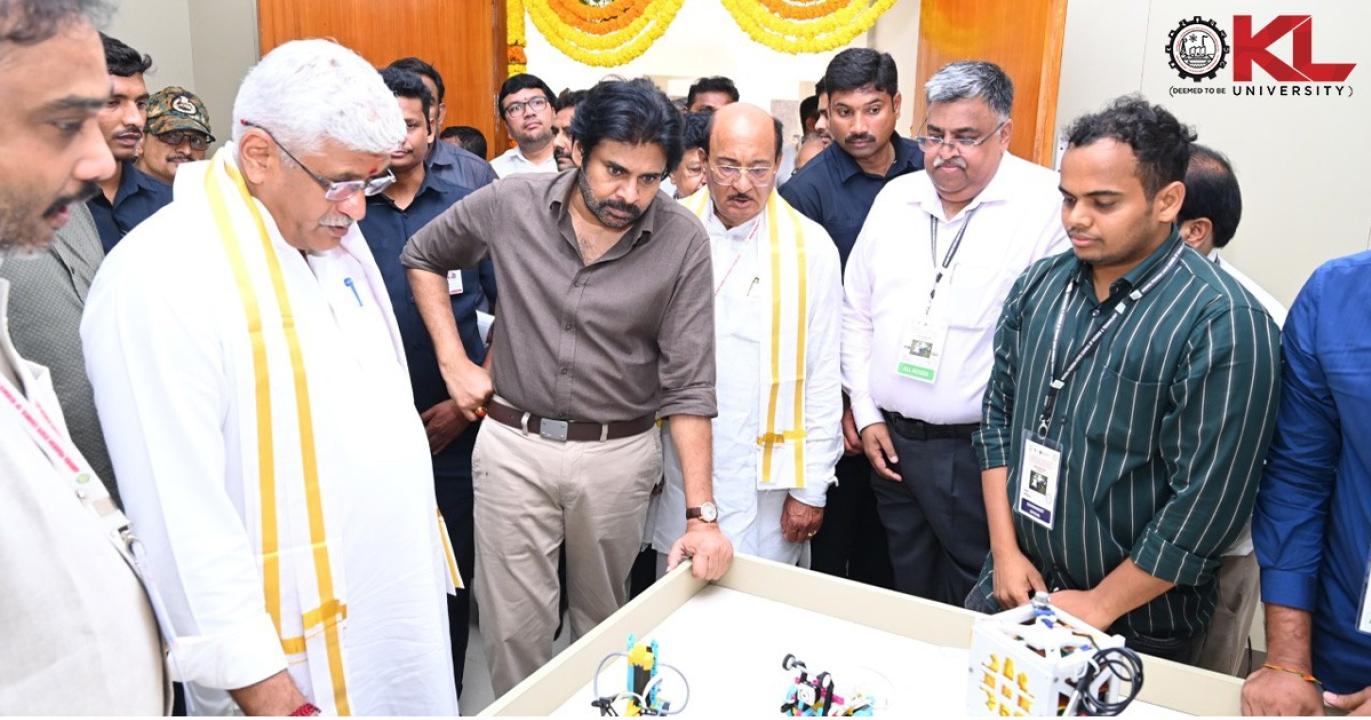
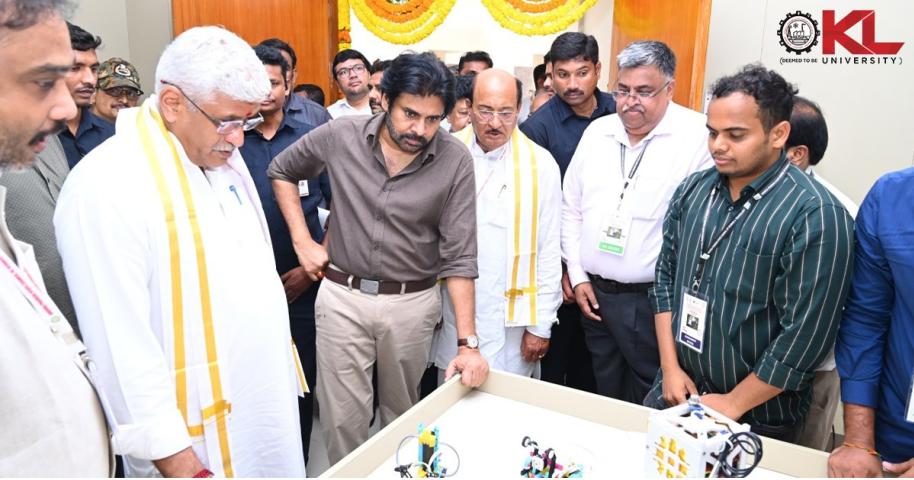
KL University showcased two of its student-developed satellites, KLSAT-1 and KLSAT-2, at the newly inaugurated Rajamahendravaram Science Centre. The advanced CubeSat modules used in the satellites are developed entirely in-house by KL University students, drawing widespread attention during the Science Centre’s prestigious launch ceremony.
The event was attended by Mr. Gajendra Singh Shekhawat, Hon’ble Union Minister, Mr. Konidela Pawan Kalyan, Deputy Chief Minister of Andhra Pradesh, and Ms. Daggubati Purandeswari, Hon’ble Governor of Andhra Pradesh. The dignitaries praised the student-led innovations as they are true examples of India’s technological self-reliance under the Atma Nirbhar Bharat vision.
The development of the KLSAT series was a true interdisciplinary effort that involved students and faculty from Electronics and Communication Engineering, Mechanical, and Computer Science departments. Every aspect, from the satellite’s structural frame to telemetry systems and web interfaces, was designed, built, and tested by the university’s internal teams.
Among the notable student contributors were Yalla Sai Teja and Kolachalam Sai Charan. Sai Charan, who served as the Project Lead from the ECE department, reflected on the experience, saying, “Presenting KLSAT to national leaders during the Science Centre inauguration was surreal. Explaining our innovations in prototyping, telemetry, onboard sensors, and orbital testing — and receiving their encouragement — was a moment I’ll always cherish.”
KLSAT-1 has already completed a successful launch and recovery mission, while KLSAT-2 features advanced capabilities including a quad-camera system and onboard spectroscopy sensors. Both satellites are designed for real-time data collection, onboard processing, UHF/VHF and LoRa telemetry, and modular adaptability for varied missions. These achievements highlight KL University's robust research environment that blends academic learning with real-world engineering applications.
Moving forward, with four to six new modules have already been tested and one planned for low-Earth orbit, the KLSAT team is setting its sights on national competitions such as CanSat India and In-Space Model Rocketry Challenges. The team is also actively pursuing collaborative opportunities with ISRO.
The initiative stands as a testament to KL University’s place among the top universities in South India, where students are not just learning about technology but actively shaping its future.
Written by
kludelhi.in
472 days ago
Related articles:
The Biggest SEO Mistakes Home Improvement Companies Make (And How to Fix Them)

The home improvement industry has become increasingly competitive, with homeowners turning to Google to find contractors for remodeling, roofing, plumbing, flooring, painting, and renovation projects. If your business isn't appearing..
Strengthening Defenses: Innovative Approaches to Digital Security
In today’s connected world, cyber threats are growing in both frequency and complexity. Businesses face constant pressure to protect sensitive data, ensure operational continuity, and maintain trust with clients. Relying..
Top DeFi Staking Platforms to Watch in 2025

Introduction to DeFi StakingStaking in the cryptocurrency market has become a proven pathway for businesses and investors to generate higher returns while securing their digital assets. With decentralized finance (DeFi)..
5-high paying career options after MBA in Business Analytics

Business Analytics is a choice for many who want to pursue an MBA. It also makes sense because as companies invest in AI, automation, and data-driven decision-making, more opportunities are..
Top 10 Motivational Speakers in India Who Inspire Success and Leadership
Motivation can play an important role in personal development, professional growth, and leadership. Whether someone is preparing for a career, building a business, or leading a team, the right guidance..
Food technology - Advancements, career options & the best BSc colleges in South India
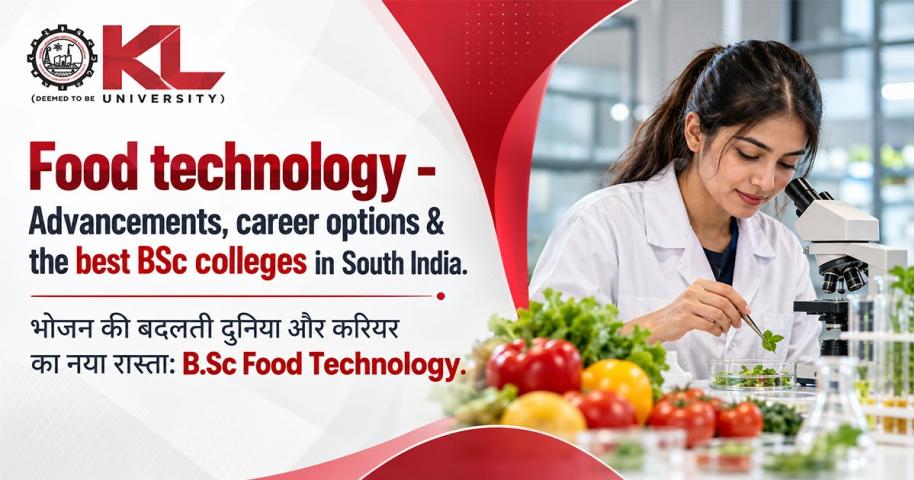
भोजन की बदलती दुनिया और करियर का नया रास्ता: B.Sc Food Technologyआज का भोजन केवल स्वाद का विषय नहीं रह गया है। लोग अब चाहते हैं कि खाना स्वादिष्ट होने..
Top Recruitment Agency in Pakistan

Choosing between Pakistan's recruitment agencies comes down to matching an employer's or job seeker's specific needs — sector, target country, timeline, and volume — against each agency's actual strengths rather..
Top 7 Cheapest Cars in India 2026: Price, Features & Mileage
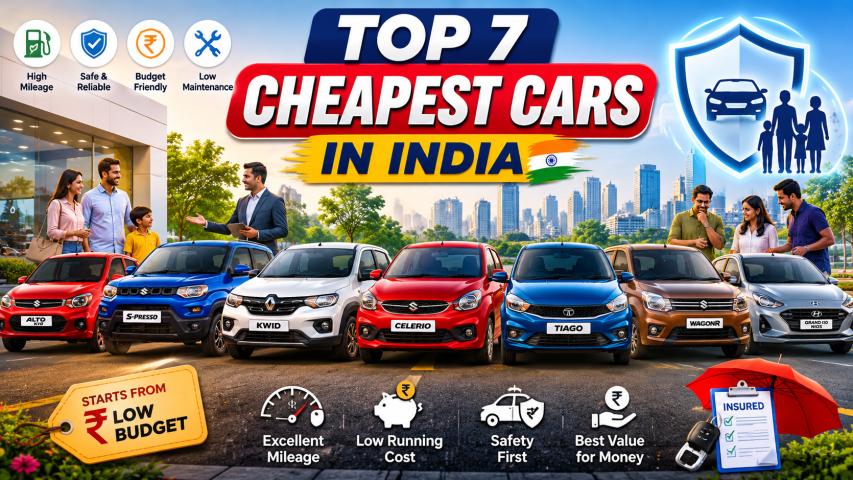
Buying a new car in India no longer requires a huge budget. In 2026, buyers can find several entry-level hatchbacks and compact family cars that combine relatively low purchase prices..
17 Best Software Development Companies in Saudi Arabia for Enterprise Solutions
Enterprise software is becoming an important part of how organizations manage increasingly complex digital operations. Large-scale platforms often need multiple user levels, connected applications, detailed workflows, and advanced reporting.Saudi Arabia..
Table Top Meat Bandsaw Machine
Table Top Meat Bandsaw Machine from Equip24 UK is a compact
and efficient solution for professional meat cutting applications. Suitable for
butcher shops, commercial kitchens, and food businesses, it delivers..
From Graduation to Innovation: A Guide for First-Time Founders
Graduating from university marks the end of one journey and the beginning of countless possibilities. For many, the startup path offers a thrilling opportunity to turn ideas into impact. But..
BCA vs BTech: Key Differences, Career Scope & Salary in 2026
Both BCA vs BTech computer science programs can lead to successful careers in the technology industry. The right choice depends on your interests, strengths, and career aspirations.Confused between BCA vs..
BCA vs BTech: Key Differences, Career Scope & Salary in 2026
Both BCA vs BTech computer science programs can lead to successful careers in the technology industry. The right choice depends on your interests, strengths, and career aspirations.Confused between BCA vs..
5-high paying career options after MBA in Business Analytics
Business Analytics is a choice for many who want to pursue an MBA. It also makes sense because as companies invest in AI, automation, and data-driven decision-making, more opportunities are..
Food technology - Advancements, career options & the best BSc colleges in South India
भोजन की बदलती दुनिया और करियर का नया रास्ता: B.Sc Food Technologyआज का भोजन केवल स्वाद का विषय नहीं रह गया है। लोग अब चाहते हैं कि खाना स्वादिष्ट होने..
Learn how to make food safe, secure and smart with BSc food technology
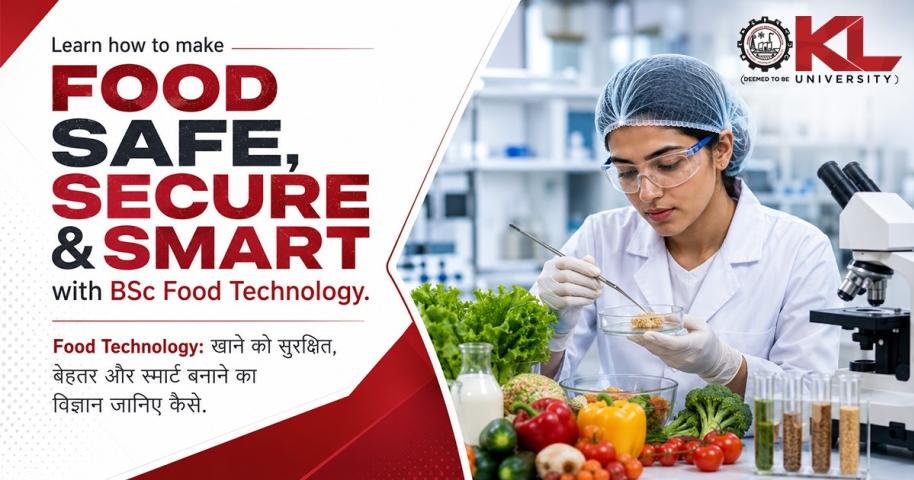
Food Technology: खाने को सुरक्षित, बेहतर और स्मार्ट बनाने का विज्ञान जानिए कैसेआज हम जो खाना अपनी प्लेट में देखते हैं, वह केवल खेत से बाजार तक पहुंचने की कहानी..
Best Job-Oriented Courses After 12th for Easy Employability

Confused after 12th? Discover skill based courses and vocational degrees designed for quicker jobs and strong employability.
Top universities in South India: What happens when business decisions meet the law?

The top universities in South India help BBA LLB students master both business decisions and legal responsibilities. From contracts and hiring to intellectual property and compliance, almost every major business..