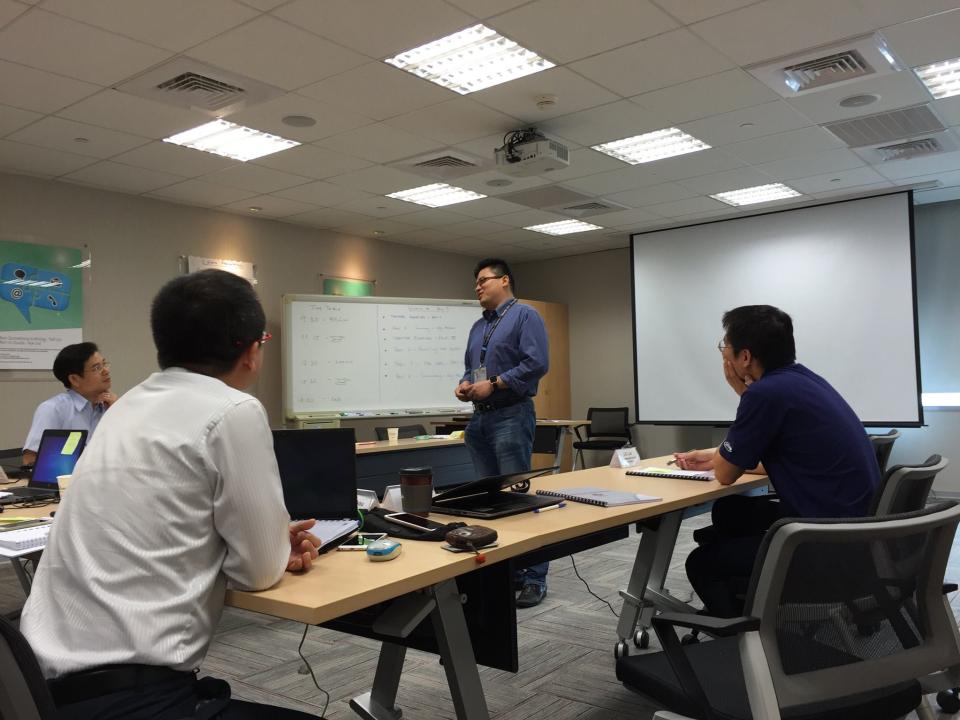

In the world of professional development and
corporate education, "training skills" and "transferring
knowledge" are terms often used interchangeably. However, they represent
distinct yet interconnected concepts that shape how learning is delivered and
retained. Understanding their differences—and where they overlap—can lead to
more effective teaching strategies, especially in specialized programs like a Train
the Trainer Course in Munich.
Training skills refer to
the methods and techniques a trainer uses to facilitate learning. This includes
engaging presentation >Train
the Trainer Courses in Germany. A strong emphasis is placed on
communication, empathy, and the ability to encourage participation and critical
thinking.
On the other hand, transferring knowledge
focuses on the content and ensuring that information is effectively passed from
the trainer to the learner. It involves structuring material in a way that it
can be understood, retained, and applied. This could be as straightforward as
delivering a lecture or as complex as designing simulations that mirror
real-world scenarios. The goal is not just for learners to absorb information
but to internalize and apply it in meaningful ways.
The approach differs significantly
between the two. Training skills emphasize the how of learning
delivery—presentation, facilitation, and engagement. Knowledge transfer,
meanwhile, focuses on the what—the core content, data, and processes
being communicated. For example, a trainer in a technical field must master not
only the subject matter but also how to deliver it compellingly, a balance
often explored in a Train
the Trainer skills Seminar in Munich.
Overlap occurs when
trainers are required to both possess strong facilitation skills and convey
complex information clearly. The most successful trainers seamlessly integrate
these aspects, ensuring both the message and its delivery are effective. This
is a key focus of any comprehensive Train
the Trainer Munich program, where participants learn to balance
content expertise with instructional technique.
Ultimately, recognizing the distinction
between training skills and knowledge transfer allows trainers to refine their
craft, delivering learning experiences that are not only informative but truly
transformative. Whether through a structured seminar or hands-on practice,
developing both sets of capabilities is essential for any trainer aiming to
inspire lasting change. At the International Presentation Academy,
we will guide you through a step-by-step approach to designing your skills
training seminar in a way that is structured, interactive, hands-on and
engaging. For more information, contact us at: info@ip-academy.de