
From leaky ceilings to urgent lockdowns, today’s school facility teams handle more than just maintenance—they are on the front lines of keeping buildings functional, safe, and compliant. While many districts have turned to facilities management software for schools to manage tasks and track assets, there’s a persistent gap that technology alone hasn’t bridged: access to building information in real time.
Imagine a scenario where a pipe bursts near a classroom. While a work order might be logged in the system, maintenance staff still need to know where the shutoff valve is. If that information is tucked away in a paper blueprint stored in the admin office or buried deep in an outdated server, response time is delayed—and damage worsens.
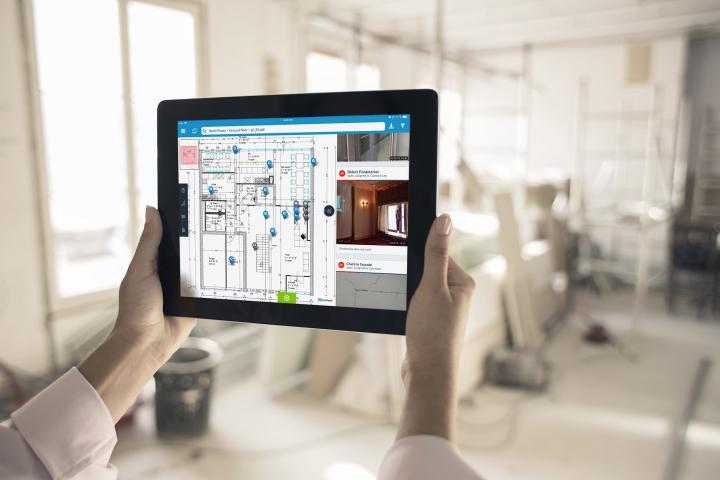
This is the challenge many K–12 facility teams face today. While digital work order systems exist, they often fall short when it comes to instant access to critical building information—floor plans, shutoff locations, compliance documents, and O&M manuals. That’s where an enhancement like ARC Facilities enters—not as a replacement, but as a powerful tool to complement existing systems.
The Hidden Cost of Delayed Information
When it comes to school safety and operational efficiency, time is everything. Delays in locating critical building information not only reduce productivity but can put lives at risk during emergencies.
Facility managers using even the best school facility management software still face obstacles. For example:
-
Floor plans may be incomplete or outdated.
-
Emergency shutoff locations aren’t marked clearly or are hard to find.
-
Maintenance manuals are stored in separate systems or physical files.
These issues create unnecessary friction during time-sensitive situations. Having instant, field-ready access to accurate building data removes that friction—and empowers school teams to respond faster and more effectively.
The Post-COVID Facilities Burden
After months of closures during the COVID-19 pandemic, school buildings have reopened—but not without complications. HVAC systems need upgrades, cleaning protocols have become more intense, and many experienced facility staff have retired or moved on.
With staff shortages and deferred maintenance piling up, even well-funded districts find themselves overwhelmed. While K12 facility management software helps track and schedule work orders, technicians still struggle if they don’t have access to the information needed to complete those tasks in the field.
Whether it’s locating a rooftop unit or referencing an old renovation detail, modern school facilities need more than work order tracking—they need building intelligence in their pockets.
When People Leave, Knowledge Shouldn’t Go With Them
One often overlooked risk in school facility operations is the loss of institutional knowledge. When long-serving staff members retire, they often take decades of building insights with them.
Without a system that stores and shares building documentation digitally, those insights are gone forever. That can lead to delays, mistakes, and even safety issues when newer staff take over.
Smart building technology that integrates with facilities management software for schools can store historical data, digitize building records, and make that information instantly available to the next generation of staff—preserving decades of knowledge for future use.
More Than Asset Tracking
It’s common for schools to use asset management software to log inventory, equipment details, and track repairs. But when a boiler breaks down or an HVAC unit needs a service, how often does a technician have access to O&M documentation in the field?
That’s the missing link. Without mobile access to manuals, schematics, and diagrams, field technicians waste time returning to offices or server rooms—hurting productivity.
Enhancing school facility management software with mobile access to O&M documents, shutoff maps, and project closeouts means teams spend more time fixing issues and less time searching for information.
Emergency Preparedness Starts With Fast Data Access
School emergencies aren’t limited to weather or mechanical issues. Active shooter situations, gas leaks, and fires all require rapid responses. In these high-pressure moments, facilities staff must guide first responders quickly and accurately.
Accessing evacuation plans, utility shutoffs, and building zones instantly can make a real difference in outcomes. Unfortunately, many schools still rely on printed maps or disconnected data servers that slow down emergency response.
Mobile-ready building data tools fill this gap—putting information directly into the hands of facility staff and emergency teams, when and where it’s needed most.
Enhancing Compliance and Safety
From ADA requirements to fire code inspections, compliance is a constant concern in K–12 school buildings. During audits, school facility managers are expected to produce up-to-date documentation quickly. Searching through storage rooms or waiting on digital requests wastes time and risks penalties.
Smart enhancements to existing systems let teams pull up inspection logs, compliance certificates, and as-builts instantly. This supports smoother audits, ensures ongoing code compliance, and demonstrates a proactive approach to building safety.
How ARC Facilities Complements Existing Systems
While your facilities management software for schools tracks work orders and schedules, ARC Facilities adds an essential layer: real-time access to the building intelligence behind those tasks. Its mobile-first platform allows facility teams to:
-
Instantly access shutoff maps, O&M manuals, and floor plans
-
Digitize and centralize historical building documents
-
Scan QR codes on equipment to pull up maintenance details
-
Share critical information with field staff or emergency responders in seconds
By closing the information gap, ARC Facilities helps school teams complete work faster, prevent emergencies, and preserve institutional knowledge. It’s not a replacement for your current system—it’s a powerful enhancement that helps you get the full value from it.