Introduction
Imagine a world where data not only tells a story but also allows you to take immediate action. This is no longer a futuristic dream. Thanks to the powerful integration between Power BI and Power Apps, it's now a practical reality. Businesses today don't just want data; they want to interact with it, act on insights instantly, and make better decisions faster. This blog dives deep into how Power BI has been integrated with Power Apps, and what businesses have built using this game-changing combination.
Whether you're searching for a Power BI crash course, interested in Power BI server training, or simply Googled Power BI training near me, this post is your gateway to understanding how two Microsoft tools are transforming analytics and operations simultaneously.
What Is Power BI?
Before we jump into integration, let’s get a clear picture of Power BI.
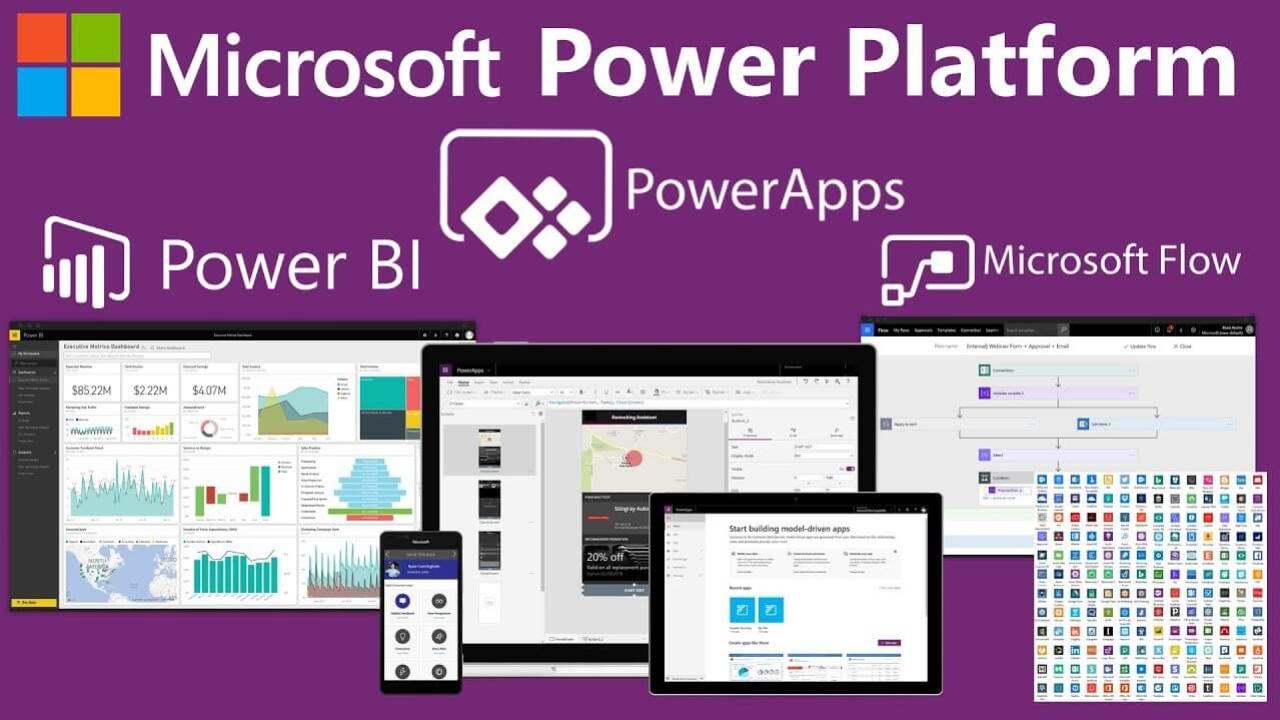
Power BI is Microsoft’s business intelligence and data visualization tool. It helps users pull data from different sources, create dashboards, and share insights with stakeholders. It supports real-time data tracking and enables users to make decisions backed by numbers.
What Is Power Apps?
Power Apps is a low-code/no-code application builder that enables users to create custom apps for business needs. With Power Apps, users can build forms, automate workflows, and interact with data without writing extensive code.
Why Integrate Power BI with Power Apps?
When you combine Power BI with Power Apps, the results are impactful. Here’s why:
Data-Driven Actions: Power BI surfaces insights. Power Apps allows you to act on them.
Embedded Apps: Embed a Power App inside a Power BI report to perform data entry or updates.
User Interaction: Users can manipulate data or trigger workflows without leaving the BI environment.
This synergy offers tremendous value, especially for organizations looking to streamline their processes while staying informed with real-time data.
Real-World Examples of Integration
1. Inventory Management System
A manufacturing firm built a full-fledged inventory control app by integrating Power BI with Power Apps. Here’s how it worked:
Power BI Dashboard: Displays stock levels, reorder alerts, and sales trends.
Embedded Power App: Users can update inventory quantities, flag damaged items, or initiate restocking processes without exiting Power BI.
Result: Reduced stock outages by 30% and improved replenishment cycles.
2. Sales Performance Tracker
A retail chain developed a sales monitoring system using Power BI visuals and embedded Power Apps:
Power BI Dashboard: Showed sales by region, team, and time period.
Power App: Allowed sales managers to add notes, initiate discount approvals, or escalate issues instantly.
Result: Decision-making speed improved by 40%.
3. Employee Feedback Portal
A company seeking better employee engagement used this combo to collect feedback and analyze it:
Power BI Reports: Tracked satisfaction scores, trends over time, and department-level insights.
Embedded App: Let employees submit feedback directly from the dashboard.
Result: Feedback participation increased by 60%, helping HR make timely interventions.
Step-by-Step: How to Integrate Power BI with Power Apps
Step 1: Build Your Power BI Report
Import data from your sources (Excel, SQL, SharePoint, etc.).
Clean and model data using Power Query.
Create visuals that offer actionable insights.
Step 2: Create Your Power App
Use Power Apps Studio to design your app.
Define data connections using Microsoft Dataverse, SharePoint, or Excel.
Add forms, buttons, and actions needed for user interaction.
Step 3: Embed the Power App in Power BI
In Power BI Desktop, select the “Power Apps” visual.
Drag it to your report canvas.
Select an existing app or create a new one.
Bind Power BI data fields to the app for contextual functionality.
Step 4: Test and Publish
Test all functionality to ensure seamless interaction.
Publish the report to Power BI Service.
Share the dashboard with your organization.
What Can You Build with This Integration?
With the right Power BI training, the possibilities for data analysis and visualization are truly endless. Here are just a few examples to illustrate what's achievable:
Leave Request Management: HR can view trends and approve/deny requests directly from Power BI.
Expense Tracking: Finance teams can view budgets and approve or reject claims via embedded apps.
Customer Feedback Loop: Sales teams can track sentiment and follow up with clients directly.
Incident Reporting System: Operations can monitor incidents and update case statuses in real-time.
Key Benefits of This Integration
1. Real-Time Interaction
You don’t have to wait to act on insights. Make updates right within your dashboard.
2. Improved User Experience
Keep users in one platform. No need to jump between apps.
3. Streamlined Workflows
Integrating Power BI and Power Apps reduces manual steps and increases productivity.
4. Enhanced Decision-Making
With actionable data at their fingertips, decision-makers act quicker and more accurately.
Industry Statistics That Prove It Works
According to Microsoft, businesses that integrate Power BI with Power Apps report a 24% increase in decision-making efficiency.
A Forrester study found that companies using Power Platform tools (including Power BI and Power Apps) saw an ROI of 502% over three years.
70% of businesses using this integration claim higher user engagement with dashboards and apps.
Practical Use Cases by Industry
Healthcare
Use Case: Monitor patient feedback.
Build: Power BI shows sentiment analysis; Power Apps collects new responses.
Manufacturing
Use Case: Monitor machine maintenance.
Build: Dashboard highlights performance issues; App logs maintenance tasks.
Retail
Use Case: Monitor product returns.
Build: Power BI identifies return trends; App captures reason codes and customer comments.
Education
Use Case: Track student performance.
Build: Reports show academic performance; App lets teachers add notes and feedback.
Tips to Get Started
Take a Power BI Course: Enroll in a comprehensive Power BI crash course to master fundamentals.
Explore Power BI Server Training: Learn how to host and manage BI dashboards securely.
Look for Local Workshops: Search "Power BI training near me" to find in-person guidance.
Practice Daily: Build test dashboards and connect apps to build your confidence.
Common Pitfalls and How to Avoid Them
Poor Data Modeling: Clean your data before building visuals.
Overcomplicating Apps: Keep app functions simple and targeted.
Ignoring User Permissions: Ensure data access aligns with roles.
Not Testing Enough: Always validate end-to-end workflows before publishing.
Skills You'll Gain from Building This
Power BI report design
App development with Power Apps
Embedding and integration techniques
Workflow automation
Real-world problem-solving
Final Thoughts
Integrating Power BI with Power Apps isn't just a technical trick—it's a strategic move. Businesses that embrace this integration gain a massive advantage in agility, responsiveness, and innovation. Whether you're just beginning your Power BI crash course or diving deep into Power BI server training, understanding this connection is key to building solutions that truly matter.
Key Takeaways
Power BI and Power Apps together enable real-time interaction and action.
You can build apps directly inside your dashboards.
Real-world examples include inventory systems, feedback tools, and sales monitors.
Start simple and scale gradually.
Conclusion
Power up your analytics and action plans today. Learn Power BI, explore Power Apps, and start building impactful solutions that drive results.
Ready to go further? Enroll in a Power BI course or find Power BI training near you to start mastering these powerful tools now.