
In 2025, talent acquisition teams face an ever-growing challenge: the sheer volume of resumes and their varying formats. While digital resumes (PDF, DOCX, etc.) can be easily parsed, the real challenge arises when dealing with scanned resumes or image-based resumes—files that don’t contain easily extractable text.
This is where OCR technology comes in.
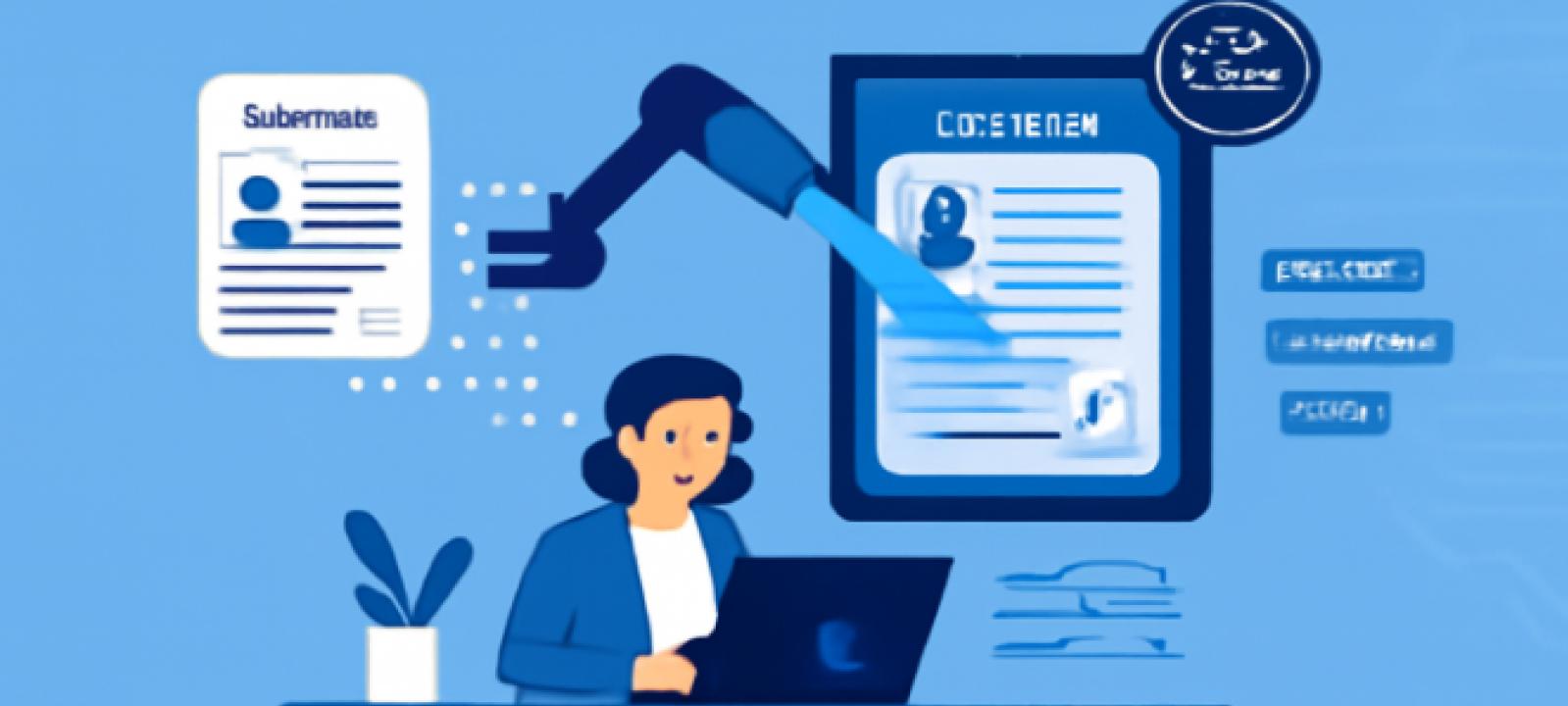
OCR (Optical Character Recognition) technology allows resume parsers to extract information from scanned documents or image-based resumes, just as efficiently as it does with traditional text-based formats. This capability has revolutionized hiring processes, enabling recruitment teams to extract every detail from resumes, regardless of format.
In this blog, we’ll explore the benefits of using a resume parser with OCR technology, how it works, and why it’s essential for today’s hiring process in 2025.
📑 What Is OCR Technology in Resume Parsing?
OCR technology is a machine learning-based process that converts scanned images or handwritten text into editable and searchable data. It is widely used across industries for data extraction from documents, and in recruitment, it plays a crucial role in extracting data from resumes that are submitted as images, PDFs, or even handwritten documents.
When integrated with a resume parser, OCR technology enables the parser to extract key information from resumes that are not in a machine-readable format. For example:
-
Scanned PDFs (images embedded within the document)
-
JPEGs or PNG images of resumes
-
Handwritten resumes (in certain cases)
Without OCR, these resumes would be inaccessible to traditional resume parsers, which are designed to read only text-based documents. With OCR, however, you can automatically extract data such as:
-
Name
-
Contact details
-
Skills
-
Work experience
-
Education
-
Certifications
-
And more!
This ability opens the door for recruiters to access a much broader range of resumes, including those submitted through unconventional formats.
🌟 Why You Need a Resume Parser with OCR Technology in 2025
1. Extract Information from Scanned Resumes
The biggest advantage of using OCR technology in a resume parser is the ability to handle scanned documents. Candidates often submit resumes in PDF format, where some documents are scans of physical resumes. Without OCR, these resumes would require manual data entry, which is time-consuming and error-prone.
How OCR solves this problem:
-
It converts the scanned image-based resumes into machine-readable text.
-
It extracts all key information such as name, skills, job experience, and education without manual intervention.
-
It saves valuable time by processing resumes automatically, no matter their format.
For example, resumes that include professional headshots, graphics, or logos (common in some creative industries) can still be processed efficiently using OCR technology.
2. Maximize Recruitment Efficiency
Manual resume review and data entry consume substantial recruiter time. With OCR-powered resume parsing:
-
Recruiters no longer need to manually transcribe information from resumes.
-
OCR handles the extraction process instantly, increasing speed and reducing time-to-hire.
-
The parser automatically categorizes and organizes resumes, meaning recruiters spend less time searching for and sorting information.
This increased efficiency in the screening process helps recruiters manage high volumes of applications quickly, ensuring that qualified candidates don’t slip through the cracks.
3. Process a Wide Range of Resume Formats
Not all candidates submit their resumes in the same format. While text-based resumes are easy to parse, image-based and scanned resumes require a different approach. With OCR, your resume parser can:
-
Process handwritten resumes (if the handwriting is clear enough).
-
Handle scanned documents like PDFs or images.
-
Extract key data from resumes submitted in a variety of formats and templates.
This means that your resume parser will be able to evaluate all resumes, regardless of the file format, ensuring no candidate is left behind due to an outdated or non-machine-readable format.
4. Increase Data Accuracy and Minimize Errors
Manual resume screening and data entry are prone to human errors, such as transcribing mistakes, missed information, or inconsistent formatting. OCR eliminates these risks by automating the process and ensuring:
-
Accurate data extraction from every resume
-
No missed information (such as critical skills or certifications)
-
Consistent formatting, regardless of the resume’s layout
When a resume parser with OCR is used, the data extraction is both consistent and reliable, ensuring that all resumes are processed with 99% accuracy, significantly reducing the chances of missing vital candidate information.
5. Streamline Candidate Shortlisting
Once the data is extracted using OCR, the resume parser can compare it against the job requirements to rank and shortlist candidates. OCR-based resume parsers do the following:
-
Automatically highlight relevant skills and work experience.
-
Rank candidates based on their fit for the role using AI-powered algorithms.
-
Generate candidate profiles that are structured and easily imported into your ATS or HRMS system.
This means hiring managers can view all candidate information in one unified profile, significantly improving their ability to make quick, data-driven decisions.
6. Enhanced Diversity and Inclusion
When evaluating resumes, human recruiters can unintentionally make biased decisions based on names, gender, age, or ethnicity. A resume parser with OCR technology removes these biases by focusing purely on the content—skills, experience, and qualifications—without being influenced by demographic details.
Additionally, since OCR allows you to process resumes from diverse regions, multilingual support also plays a role in ensuring fair hiring by enabling recruiters to evaluate resumes in multiple languages, ensuring that no one is overlooked due to language barriers.
7. OCR: A Competitive Edge in Candidate Sourcing
AI-based resume parsers with OCR give companies a competitive edge by enabling them to access every possible resume, no matter how it is submitted. This improved candidate sourcing:
-
Increases the likelihood of finding top candidates in an untapped pool.
-
Opens new channels for sourcing talent by accepting all formats, including resumes submitted via email, on job boards, or even through social media platforms.
🤖 How OCR Technology Works in Resume Parsing
OCR technology uses machine learning and computer vision to convert scanned images into machine-readable text. Here’s how the process works:
-
Document Preprocessing: The scanner or camera captures an image of the resume, which is preprocessed to enhance quality and remove noise.
-
Text Recognition: The OCR software identifies and extracts text from the image, converting it into digital data.
-
Data Parsing: The extracted data (e.g., name, skills, work experience) is organized and structured by the resume parser, ready to be imported into your HR system.
This process is both fast and accurate, making it an essential tool for managing large-scale recruitment.
📊 Real-World Example: OCR in Action
Tech Startup Seeking Software Engineers
A fast-growing tech startup needed to hire 10+ software engineers in a month. They received resumes from candidates across different regions, including some in non-standard formats (e.g., scanned handwritten resumes).
By integrating an OCR-powered resume parser, the company was able to:
-
Automatically extract data from handwritten and scanned resumes
-
Rank and sort candidates by their skills and experience in real-time
-
Cut down the hiring process by 40%, hiring the top candidates much faster than traditional methods
📥 Getting Started with an OCR-Powered Resume Parser
Here’s how you can start benefiting from OCR-based resume parsing:
-
Select an OCR-enabled resume parser: Choose a solution that integrates OCR technology for scanning and image-based resumes.
-
Set up integrations: Ensure the parser integrates with your ATS or HRMS to automate data flow.
-
Customize the parser: Tailor the parsing rules to match your hiring needs (e.g., skills, experience).
-
Monitor and adjust: Keep track of the parser’s performance and optimize settings as needed.
✅ Final Thoughts: The Power of OCR in Resume Parsing
In 2025, OCR-powered resume parsers are transforming how companies recruit talent. By automating the extraction of information from scanned and image-based resumes, these tools increase efficiency, accuracy, and fairness in the recruitment process.
For companies looking to streamline their hiring workflows and ensure they’re accessing every qualified candidate, integrating OCR technology into your resume parsing strategy is the way forward.
Don’t let valuable resumes slip through the cracks. Try RChilli’s OCR-enabled Resume Parser today and revolutionize your hiring process.