In the heartlands of India, where agriculture is not just a profession but a way of life, rural women form the backbone of farming families. They rise before the sun, manage household chores, assist in fields, and nurture the next generation of farmers. But when it comes to maternal health and infant care, many still face challenges due to lack of awareness, access, and support. This is where PICME (Pregnancy and Infant Cohort Monitoring and Evaluation) emerges as a transformative initiative for rural India—especially for farming communities.
Understanding PICME: A Lifeline for Rural Women
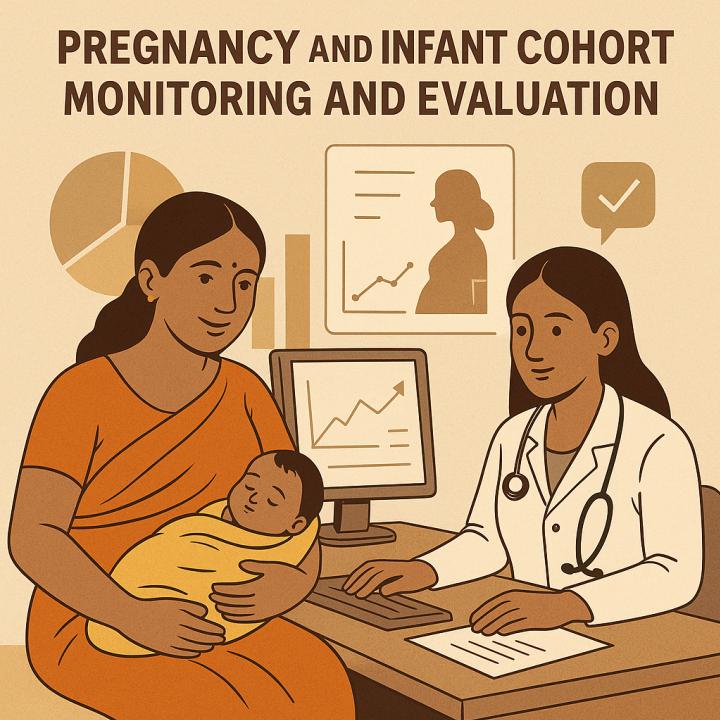
PICME is a government-driven health initiative primarily launched in Tamil Nadu, aimed at tracking pregnant women from conception to delivery and beyond. By registering every expectant mother through a unique PICME number, the system confirms timely medical checkups, vaccinations, health monitoring, and birth registration. It also enables women to receive financial benefits under various maternity schemes.
For farming families, where the woman often plays a dual role in agriculture and homemaking, access to timely and structured maternal healthcare is crucial. With PICME, the government confirms no mother is left behind, especially in regions where healthcare access has traditionally been a concern.
Bridging Health with Agriculture
It may seem that maternal health and agriculture are distant topics, but they’re deeply interconnected. In many villages, the strength of agriculture depends on the health of women. A healthy mother gives birth to a healthy child, ensuring a future farmer who can one day contribute to the nation's food security. By ensuring maternal well-being, PICME indirectly strengthens the agricultural workforce of tomorrow.
Moreover, healthier families mean better productivity on farms, improved decision-making, and lesser economic strain from medical emergencies. This health-agriculture loop is vital for the sustainable development of rural India.
Digital Inclusion in Rural Health
What makes PICME special is its use of digital monitoring, even in remote areas. Through Anganwadi workers and health officials equipped with mobile devices and internet connectivity, expectant mothers are enrolled and tracked. The initiative has been especially powerful in reaching out to women in farming communities, where traditional barriers often prevent timely medical attention.
This digital empowerment resonates with other emerging rural trends like Direct Agri Export, where farmers are bypassing middlemen to sell produce directly to global markets using digital platforms. Just like Direct Agri Export is reshaping how farmers sell crops, PICME is transforming how rural women access healthcare—all through the power of data and connectivity.
Real-Life Impact: Stories from the Soil
Lakshmi, a 24-year-old from Theni district, belongs to a farming family that cultivates bananas and turmeric. When she became pregnant, her mother-in-law insisted on a traditional home birth, but the local health worker encouraged her to register under PICME. Throughout her pregnancy, she received free check-ups, iron supplements, and counseling on nutrition. Eventually, Lakshmi delivered a healthy baby at a government hospital with expert care.
“This system saved both me and my child,” she says, adding, “Earlier, no one guided us. Now we feel seen and supported.”
Such stories are becoming common in regions where Agriculture News in Hindi is not just limited to weather reports or market prices, but also includes health and welfare updates for farming families. The integration of health and agriculture through local media confirms that important schemes like PICME reach every deserving mother.
The Role of Local Media and Entertainment News
Today’s rural India is consuming more Entertainment News and digital content than ever before. Be it through mobile phones, community radios, or social platforms, the appetite for infotainment is growing. Smart communicators are using these channels not just for entertainment, but also for education.
PICME has benefited from this shift. From health jingles on community radio to storytelling formats on rural YouTube channels, Entertainment News platforms are increasingly sharing PICME success stories, encouraging women to enroll and normalizing hospital deliveries and infant vaccinations.
When rural women see characters like themselves portrayed as empowered and informed, it reduces the stigma around modern healthcare. It also motivates younger generations of farmer families to view maternal care as a right, not a privilege.
Synergy with Other Government Schemes
PICME doesn’t work in isolation. It aligns with schemes like:
- Pradhan Mantri Matru Vandana Yojana (PMMVY) – offering financial assistance to pregnant women.
- Janani Suraksha Yojana (JSY) – encouraging institutional deliveries.
- eNAM and Direct Agri Export initiatives – improving rural livelihoods.
This integrated approach confirms that while families focus on productivity and income (e.g., through Direct Agri Export of vegetables, spices, and flowers), maternal and infant health doesn’t get sidelined.
Challenges and the Road Ahead
Despite its success, PICME still faces hurdles in some rural belts. These include:
- Resistance from elders rooted in traditional practices
- Low literacy levels among women
- Inadequate mobile and internet access in remote regions
To overcome these, the government must:
- Intensify awareness campaigns through Agriculture News in Hindi
- Collaborate with influencers in rural Entertainment News networks
- Strengthen digital infrastructure in farming villages
The goal is to make PICME registration as routine as sowing a seed or harvesting a crop—an essential step in nurturing life.
Final Opinion: Health Is the First Harvest
The strength of India’s agriculture lies not just in seeds, soil, and subsidies, but in the health of the women who raise families while supporting farms. PICME is more than a healthcare initiative—it’s a movement of empowerment, awareness, and dignity for rural mothers, especially in farming households.
As we discuss innovations like Direct Agri Export or celebrate growth trends in Agriculture News in Hindi, let us not forget the silent revolution PICME is bringing to India's villages. It’s helping farmer families raise healthier children, plan better futures, and live lives with pride and protection.
In the next five years, with digital penetration deepening and health policies evolving, PICME has the potential to become a national model for maternal health—making sure that every child born in a farming family gets a healthy, strong start to life.