
In today’s job market, Python is more than just a popular programming language; it’s a career booster. From data science to automation and web development, Python is in high demand across industries. But just knowing Python isn't enough. What sets successful professionals apart is completing a structured Python programming training course that builds confidence, practical skills, and job readiness.
So, how exactly can a Python certification course help you grow your career? Let’s break it down.
Why Python Is the Right Career Move Today
Python is one of the most widely used programming languages in the world. It is beginner-friendly, powerful, and adaptable. Here are a few reasons why Python is a smart choice for professionals and freshers:
Used in diverse fields: data science, web development, automation, testing, artificial intelligence, finance, and more.
Simple syntax: Python is easier to learn than many other programming languages.
Fast-growing job market: According to Indeed, Python is among the top 3 most in-demand programming languages globally.
Excellent salary potential: Python developers earn an average salary of $110,000+ per year (source: Glassdoor).
What You Learn in a Python Programming Training Course
A Python programming training course is more than just lectures. It provides a structured learning path, builds strong coding foundations, and teaches how to apply Python in real-world scenarios.
Core Concepts Covered
Variables and Data Types
Understand how to store and manipulate data effectively.Control Structures
Learn to use loops and conditions to control the program’s flow.Functions and Modules
Write reusable, clean, and modular code.Object-Oriented Programming (OOP)
Master classes, objects, inheritance, and encapsulation.File Handling and Exception Management
Handle real-world data and errors effectively.Working with Libraries
Explore popular Python libraries like pandas, NumPy, matplotlib, and more.Database Integration
Connect Python with MySQL or SQLite to work with databases.Web Development Basics
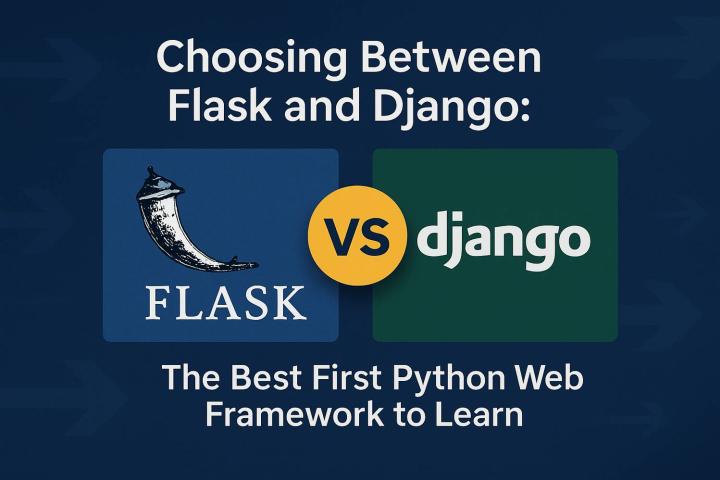
Learn Flask or Django to build simple web applications.Automation and Scripting
Automate repetitive tasks with Python scripts.Project Work
Real-time projects to implement all your learning practically.
Real-World Applications That Matter
1. Data Science & Machine Learning
Python’s data manipulation libraries like pandas, scikit-learn, and TensorFlow make it ideal for these roles.
2. Web Development
Frameworks like Django and Flask help developers build robust websites and web apps quickly.
3. Testing & Automation
QA testers use Python with tools like Selenium to automate testing processes.
4. Cybersecurity
Python is used in writing scripts to automate cybersecurity tasks.
5. Finance & Business Analytics
Python is used to analyze stock market data, financial reports, and automate reporting.
Industry Evidence: Why Companies Prefer Certified Python Professionals
IBM, Google, NASA, Netflix, and Facebook actively use Python.
A LinkedIn survey ranked Python among the top 5 skills that get people hired in tech roles.
Certified candidates tend to secure interviews faster and perform better in coding assessments.
Career Opportunities After Python Training
Completing a Python certification course unlocks a variety of roles such as:
Python Developer
Data Analyst
Automation Engineer
Web Developer
Software Tester
Machine Learning Engineer
Business Intelligence Analyst
💡 Real Example:
Ravi, a mechanical engineer, transitioned into a Data Analyst role after completing his Python training. Today, he works with a leading MNC, analyzing business trends with Python and Excel.
Python Program Ideas to Practice
Here are simple yet effective python program ideas you can try while learning:
Build a calculator
Create a password generator
Develop a to-do list app
Analyze COVID-19 data using APIs
Automate file organization on your PC
Create a weather app
Write a chatbot using Python
Scrape data from websites
Working on such mini-projects makes your resume more practical and skill-focused.
How the Right Python Programming Institute Makes a Difference
Choosing the right Python programming institute matters. A reputed training center offers:
Live classes with expert instructors
Real-time projects and code reviews
Flexible schedules for working professionals
1-on-1 mentorship
Interview preparation and resume building
At H2K Infosys, our Python course is designed to ensure hands-on learning. We provide access to live instructors, practical projects, job placement support, and certification assistance.
Sample Code: A Taste of What You’ll Build
python
# Simple Python program: Word Counter
def count_words(text):
words = text.split()
return len(words)
user_input = input("Enter a sentence: ")
word_count = count_words(user_input)
print("Word Count:", word_count)
This is a beginner-level script that teaches input handling, string manipulation, and function usage, fundamentals that build toward complex projects.
Benefits of Python Training Online
Taking a Python Training Online course provides several advantages:
Learn at your pace
Review recordings anytime
No need to relocate
Work on global projects remotely
Collaborate with international learners
These benefits make online training ideal for working professionals, students, and career switchers.
Step-by-Step Career Growth Path with Python Training
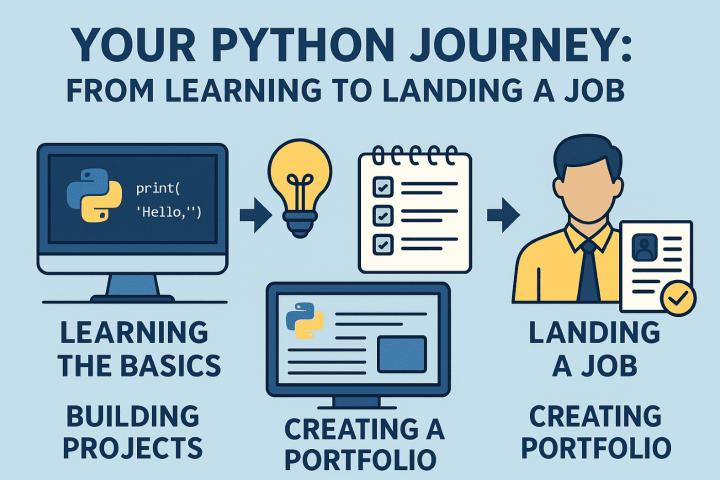
Learn Basics: Start with syntax, data types, and logic.
Build Projects: Create mini-projects to reinforce learning.
Earn Certification: Complete assignments, get certified.
Portfolio Creation: Compile your projects in GitHub or a PDF portfolio.
Mock Interviews: Prepare with coding challenges and mock technical rounds.
Job Applications: Apply to roles in Python development, data science, or automation testing.
Career Growth: Continue learning advanced topics or frameworks.
Practical Tools and Libraries You’ll Master
Pandas – Data manipulation
NumPy – Mathematical computing
Matplotlib/Seaborn – Data visualization
Flask/Django – Web frameworks
Selenium – Automation testing
SQLAlchemy – Database ORM
BeautifulSoup – Web scraping
These tools are essential for real-world projects and help build strong technical portfolios.
Key Takeaways
Python is an in-demand skill across industries.
A structured python programming training course builds job-ready skills.
Practical projects, real-world examples, and expert guidance accelerate learning.
Certified professionals enjoy better job prospects and salary packages.
Online learning offers flexibility and convenience without compromising quality.
Conclusion
Python is not just a language, it’s a career accelerator. Whether you're a beginner or a professional looking to switch roles, a Python certification course from H2K Infosys can open doors to top-paying jobs in tech.
👉 Enroll now in H2K Infosys' Python Training Online and start building real-world skills that employers value. Your career transformation starts today!