Construction projects are living, moving operations. From the first shovel in the ground to final walkthroughs, progress depends on tight coordination, consistent communication, and timely documentation. Yet many teams still struggle with fragmented systems and outdated tools that create confusion instead of clarity.
Enter construction management software—the digital solution built to streamline how projects are planned, tracked, and delivered. Combined with mobile apps that work on the jobsite, these tools provide the visibility and structure today’s construction teams need to stay on target.
Breaking the Cycle of Miscommunication
Missteps in construction are rarely caused by lack of skill. More often, they come from a lack of alignment. A delay in an inspection, an overlooked revision, or a missed material delivery can send timelines off course—sometimes for days.
What’s behind these issues?
-
Outdated plans circulating in email chains
-
Field reports that arrive too late to act on
-
Manual schedule tracking that misses critical dependencies
-
Limited visibility into site conditions or team workloads
-
Disconnected communication between contractors, designers, and owners
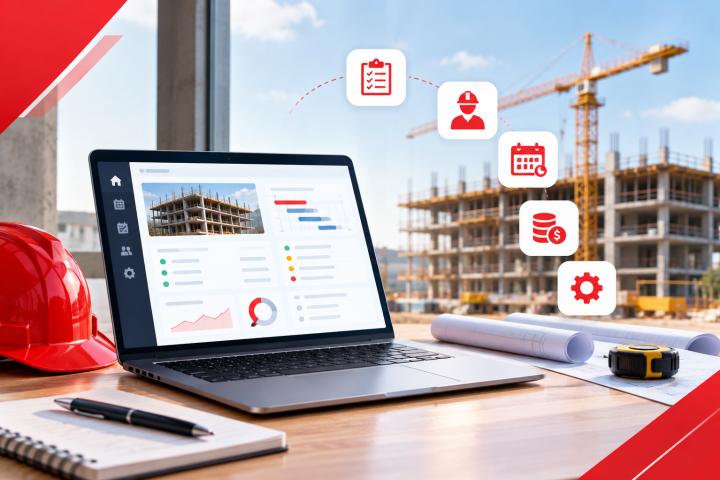
Construction management software solves these problems by creating a single, connected workspace where all project data lives—updated in real-time and accessible to everyone who needs it.
Key Functions of Construction Management Software
Modern construction projects involve far more than just building. Managers must handle compliance, documentation, change orders, safety checks, RFIs, and budget control—often all at once.
With the right software, you can:
-
Manage documents centrally, ensuring every team member works from the latest versions
-
Assign and track tasks to stay ahead of milestones and inspections
-
Control permissions to protect sensitive information
-
Integrate daily logs from the field to monitor true progress
-
Automate alerts for schedule changes, delays, or approvals
This level of visibility doesn’t just prevent problems—it helps projects run smoother from day one.
The Critical Role of Construction Management Apps
While software is essential, mobility is where the real transformation happens. On fast-moving job sites, teams can’t afford to wait until they’re back in the trailer or the office to submit updates or check project status.
That’s why a good construction management app matters. It puts the power of the platform into every crew member’s pocket—bringing real-time updates, document access, and communication tools directly to the field.
What a Mobile App Can Do:
-
View updated drawings or plans instantly, avoiding confusion
-
Log site issues with photos and comments as they happen
-
Access schedules, safety protocols, and material lists from any location
-
Submit checklists or reports without leaving the jobsite
-
Stay connected to office teams for faster resolution and feedback
The result? A more informed, responsive, and empowered team on the ground.
Improving Project Outcomes Across the Board
When teams are aligned, documentation is organized, and communication flows freely, construction becomes less chaotic and more predictable.
Construction management software and apps together help:
-
Minimize rework by ensuring data accuracy
-
Boost productivity through automated workflows
-
Shorten project timelines by reducing response delays
-
Strengthen collaboration among dispersed teams
-
Enhance transparency for clients, inspectors, and stakeholders
They turn construction from a race against confusion into a more strategic, manageable process.
Preserving Your Project Knowledge Beyond Completion
What happens after construction is just as important. Turnover often marks the start of a new challenge: making sure the facility team has what they need to operate the building efficiently.
ARC Facilities steps in at this stage, helping capture and digitize essential project documentation—like shut-off locations, floor plans, O&M manuals, and inspection records—so they remain accessible through mobile devices even years after construction is complete.
It’s a smarter way to make sure your project legacy supports long-term building performance and safety.