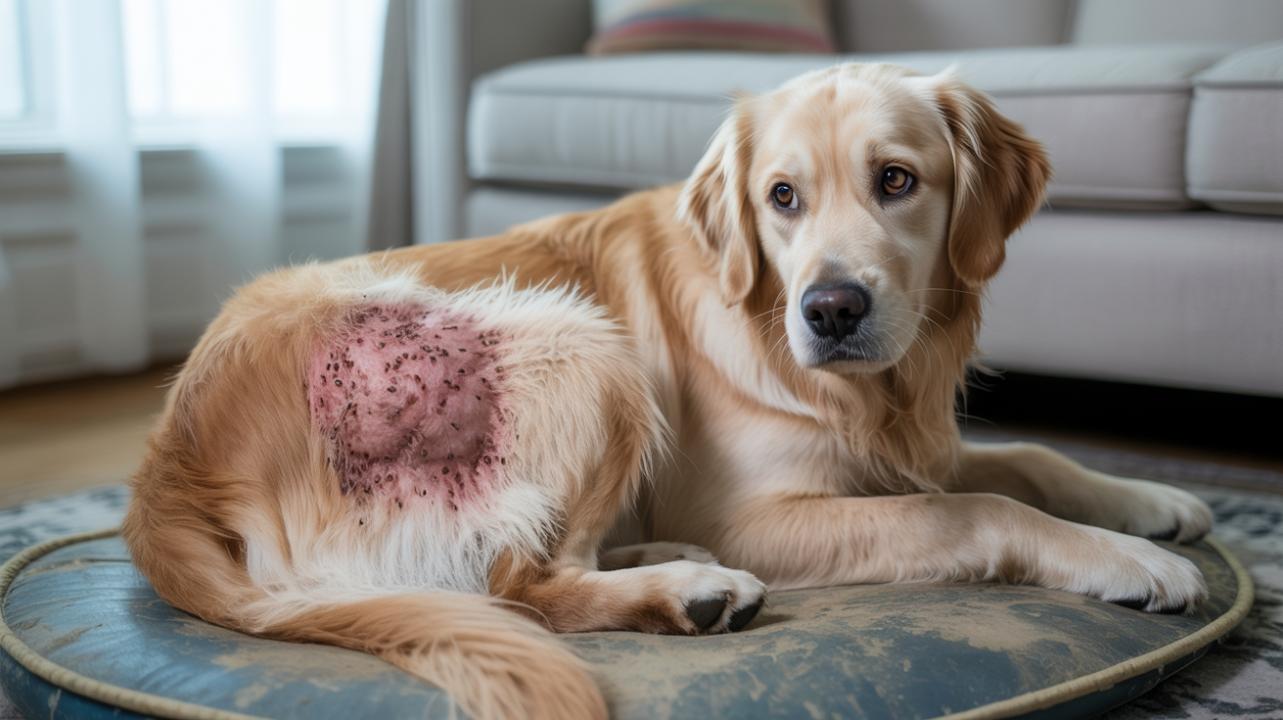
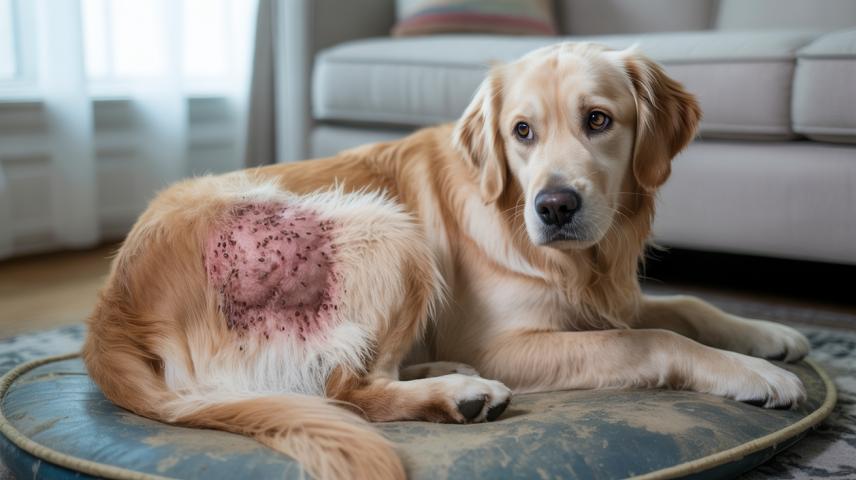
As loving pet parents, we strive to ensure our furry companions are always happy and healthy. But what happens when sneezing, scratching, or skin issues begin to disrupt their comfort? Pet allergies are more common than many realize and can stem from a variety of sources, including food, environmental irritants, parasites, or even grooming products.
In this guide, we’ll explore common pet allergies, how to identify them, and how you can treat and prevent them to keep your pet allergy-free and thriving.
Common Types of Allergies in Pets (And Their Causes)
1. Contact Allergy (Contact Dermatitis)
Occurs when a pet's skin reacts to a foreign substance (allergen), such as:
- Cleaning products
- Certain fabrics
- Pollen, mold, or dust
- Plants like poison ivy
Symptoms: Redness, itching, ear infections, paw licking, or skin rashes.
2. Flea Allergy (Flea Allergy Dermatitis)
Triggered by a reaction to proteins in flea saliva from bites. Even one flea can set off a reaction.
Symptoms:
- Excessive scratching or licking
- Red bumps, hair loss, or hot spots
- Tail base and hindquarters are commonly affected
Pro Tip: Year-round flea prevention with products like NexGard is essential, as even a single bite can lead to weeks of itching.
3. Food Allergy
Caused by a pet’s immune response to certain ingredients in their diet, most often proteins.
Common Culprits:
- Dogs: Chicken, beef, dairy, wheat
- Cats: Fish, beef, chicken
Symptoms: Vomiting, diarrhea, flatulence, itching, or chronic ear infections.
Diagnosis Tip: Try an elimination diet or consult your vet for allergy-specific food trials.
Diagnosis & Treatment of Pet Allergies
Only a veterinarian can accurately diagnose pet allergies. Expect:
- Physical exams
- Detailed medical history
- Allergy testing or elimination diets
- Treatment Options:
- Remove or avoid the allergen
- Prescription flea preventatives (e.g., NexGard)
- Hypoallergenic diets
- Medicated shampoos (like those with oatmeal or aloe)
- Anti-inflammatory meds or supplements
Prevention Tips for Allergy-Free Pets
- Schedule regular veterinary checkups
- Use year-round parasite control
- Maintain a clean living space
- Bathe your pet with vet-approved products
- Feed a balanced, high-quality diet
- Monitor for signs of scratching, paw licking, or skin changes
- Choose hypoallergenic beds, toys, and cleaning supplies
Final Thoughts
Allergies in pets can be frustrating but manageable with the right knowledge and proactive care. Whether your furry friend is sensitive to food, fleas, or flowers, taking the time to understand their triggers and protect them with consistent care can make all the difference.
Stay observant, stay informed, and always check with your vet when in doubt!