Creating a home gym can transform how you approach fitness. Whether you're avoiding the commute to a commercial gym, saving money on memberships, or simply seeking the comfort of working out at your convenience, a well-designed home gym can be your long-term fitness solution. But the real challenge lies in choosing the right equipment for your space, goals, and budget. In this blog, we’ll walk through the most important factors to help you build the perfect home gym tailored to your life>
Understanding Your Fitness Goals
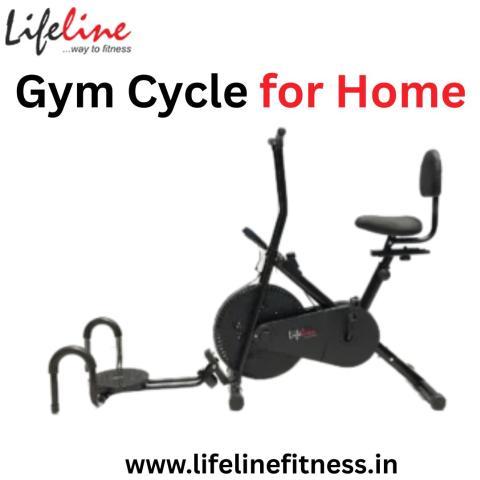
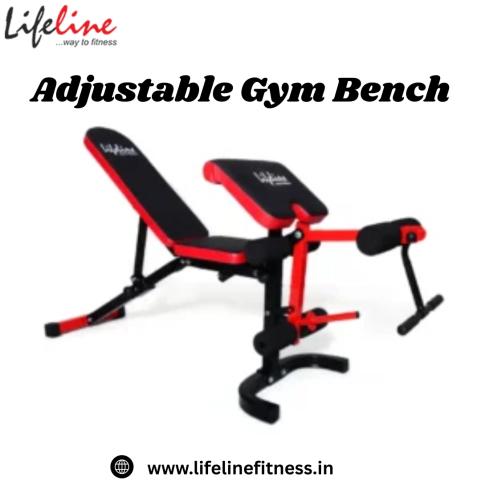
Before buying any equipment, it’s important to identify your fitness goals. Are you aiming to lose weight, build muscle, improve cardio health, or increase flexibility? Your home gym should reflect these objectives. For instance, a person focused on strength training might prioritize dumbbells, resistance bands, or a bench press. Someone more into cardio will benefit from a treadmill, stationary bike, or rowing machine. By defining your goals early, you avoid purchasing unnecessary or inappropriate equipment.
Evaluating Your Available Space
Space plays a major role in deciding which equipment will fit into your home gym. If you have an entire room available, you might have the freedom to add larger machines like a multi-gym system or a power rack. On the other hand, if you're working with limited space, compact and foldable equipment is a smarter choice. Even a corner of a room or garage can be transformed into a fully functional home gym with the right planning and setup.
Budget Considerations for Home Gym Equipment
Budget is another crucial factor. It's easy to get overwhelmed by high-end machines and gadgets, but the truth is, you don’t need to spend a fortune to get started. Begin with essential items that align with your goals, and expand as needed. Resistance bands, kettlebells, and jump ropes are budget-friendly and highly effective. Over time, you can invest in more advanced machines once you’re certain of your commitment and fitness routine.
Prioritizing Versatile Equipment
When building a home gym, it’s smart to choose versatile equipment that serves multiple purposes. Adjustable dumbbells, for example, save space and allow you to perform a wide range of strength exercises. A stability ball can be used for core workouts, flexibility, and rehabilitation. Resistance bands offer varied levels of intensity and are easy to store. With multifunctional tools, you can maximize your workouts without cluttering your space.
Comfort and Safety in Your Home Gym
Your home gym should not only be effective but also comfortable and safe. Investing in good flooring—such as foam or rubber mats—can reduce strain on joints and prevent damage to floors. Make sure there is proper lighting and ventilation in your workout area. Also, place your equipment in a way that provides enough room for movement to avoid injuries. Safety features like non-slip grips or emergency stop buttons on machines should also be considered.
Importance of Quality Over Quantity
While it’s tempting to buy a variety of equipment, quality should always come before quantity. Choose reliable, durable machines and tools that will last longer and require less maintenance. Look for brands or products with good reviews, warranties, and customer support. Cheap equipment may wear out quickly and even cause injuries, defeating the purpose of your investment.
Keeping Your Home Gym Organized
An organized home gym can help you stay consistent with your workouts. Invest in storage solutions like wall-mounted racks, baskets, or shelves for smaller items like yoga mats, bands, and weights. Keeping your space clutter-free also helps create a more inviting and motivating workout environment. A clean, well-organized home gym often leads to better adherence to your fitness routine.
Creating a Motivating Atmosphere
Even though it’s at home, your gym should feel like a place where you want to spend time. Add personal touches such as mirrors to check form, a speaker or music system for energy, and even motivational posters or lighting to create the right ambiance. The more inviting and enjoyable your home gym feels, the more likely you’ll be to use it regularly.
When to Upgrade Your Equipment
As your fitness levels grow, your home gym should evolve too. If you’ve mastered bodyweight exercises or outgrown your current weights, consider upgrading to more advanced equipment. Adding new machines or accessories can refresh your routine and challenge your progress. Always revisit your fitness goals every few months and assess what upgrades or changes are needed.
Conclusion: Designing a Home Gym That Works for You
Choosing the right equipment for your home gym is all about personalization. You don’t need to replicate a commercial gym to achieve results—you just need the right tools that suit your space, goals, and budget. Start small, be consistent, and grow your setup as you evolve in your fitness journey. A personalized home gym can become a space you look forward to every day, supporting both your physical and mental well-being.