In today’s digital-first era, the term “Business Computing” refers to the integration of computing technologies into business operations. The Business Computing World is vast, dynamic, and essential, encompassing everything from cloud computing and data analytics to enterprise software and cybersecurity. It has revolutionized the way organizations operate, make decisions, and interact with customers.
What is Business Computing?
Business Computing involves the application of information technology (IT) to business functions. It enables companies to automate processes, manage information efficiently, and stay competitive in a rapidly changing market. It includes the use of:
Computer Hardware & Software
Networks & Internet
Data Storage & Management
Cloud Services
Enterprise Resource Planning (ERP)
Customer Relationship Management (CRM)
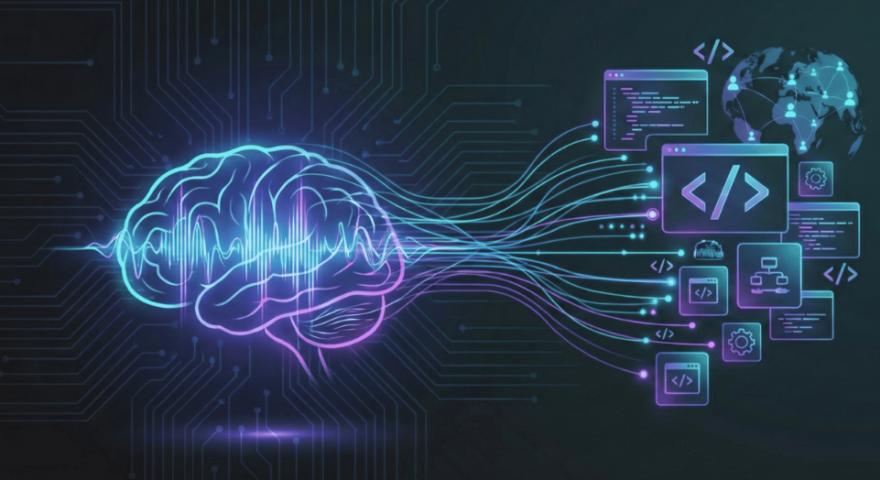
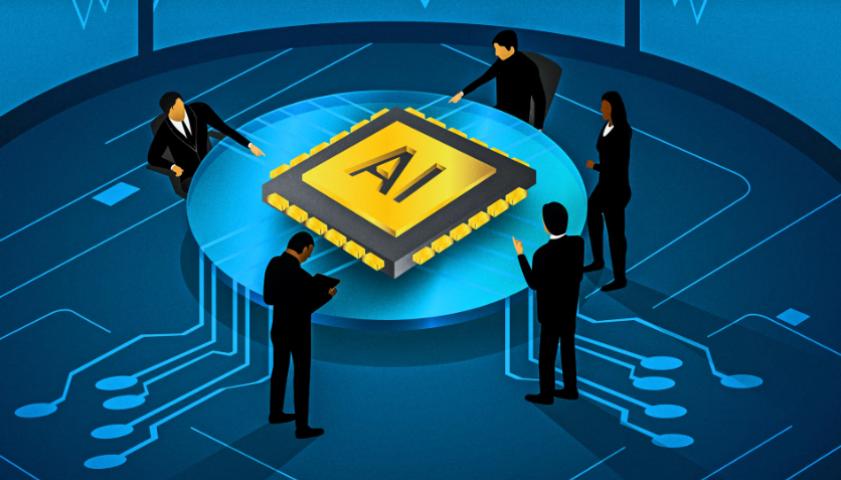
Artificial Intelligence (AI) and Machine Learning (ML)
Key Components of the Business Computing World
1. Cloud Computing
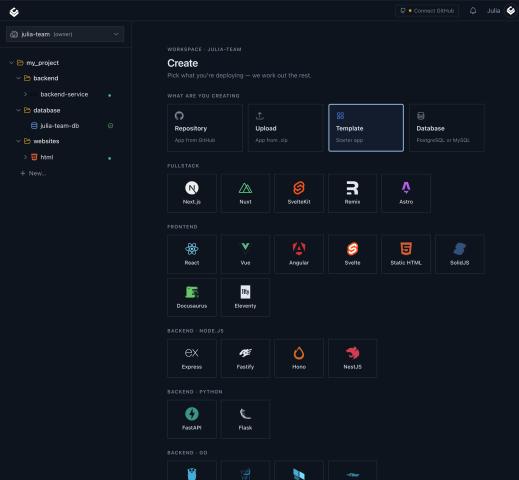
Cloud computing has become a foundation of modern business infrastructure. Platforms like Amazon Web Services (AWS), Microsoft Azure, and Google Cloud allow businesses to scale resources on-demand, reduce costs, and ensure business continuity. Cloud-based services also support remote work and global collaboration.
2. Big Data and Analytics
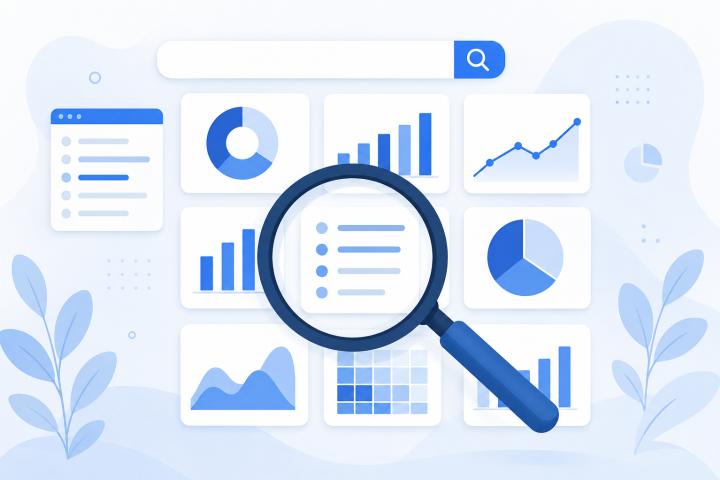
Data is the new oil. Through business computing tools like Power BI, Tableau, and Google Analytics, companies gather, store, and analyze massive amounts of data to make strategic decisions. Predictive analytics helps forecast trends, customer behavior, and market movements.
3. Cybersecurity
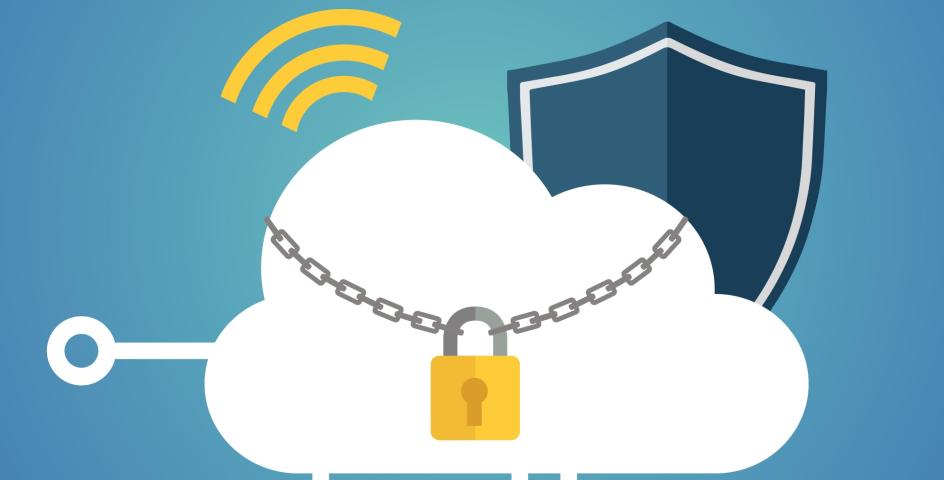
With increased digitalization comes greater risk. Business computing integrates robust cybersecurity protocols to protect sensitive data and IT infrastructure. Firewalls, encryption, two-factor authentication, and antivirus software are now essentials in every business IT toolkit.
4. Automation and AI
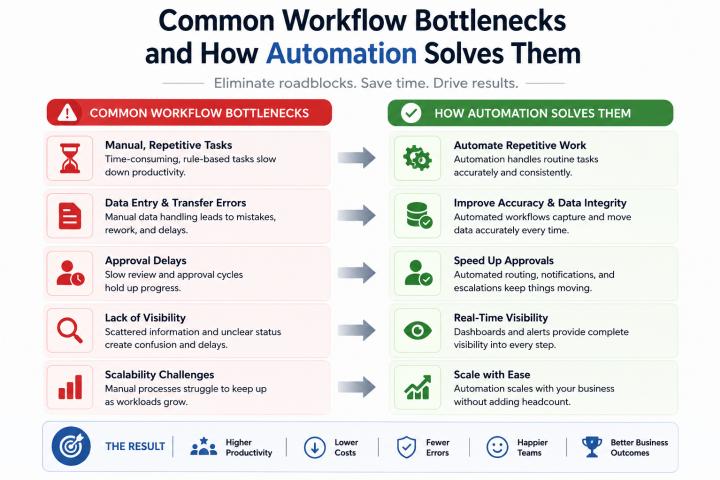
Artificial intelligence and robotic process automation (RPA) are reshaping businesses by reducing manual tasks and increasing efficiency. From chatbots in customer service to AI-driven logistics, automation saves time and minimizes human error.
5. Mobile and Remote Computing
With the rise of remote work and bring-your-own-device (BYOD) policies, mobile computing has become critical. Applications like Microsoft Teams, Zoom, and Slack ensure seamless communication and productivity across distances.
Benefits of Business Computing
Improved Efficiency: Automates repetitive tasks and streamlines operations.
Enhanced Decision-Making: Real-time data analysis supports quick and informed decisions.
Cost Savings: Reduces the need for physical infrastructure and manual labor.
Global Reach: Enables businesses to operate and collaborate worldwide.
Data Management: Organizes and secures large volumes of business data.
Challenges in the Business Computing World
Despite the benefits, there are challenges businesses must navigate:
Rapid Technological Change: Keeping up with evolving technologies can be difficult and expensive.
Security Threats: Cyberattacks and data breaches remain serious concerns.
Integration Issues: Merging new computing systems with legacy infrastructure can be complex.
Skilled Workforce Shortage: There’s a growing need for IT professionals with up-to-date skills in AI, cloud, and cybersecurity.
Future Trends in Business Computing
Edge Computing:
Processes data closer to its source, reducing latency and improving performance — especially important in IoT applications.
Quantum Computing:
Although still in its infancy, quantum computing promises unprecedented processing power, ideal for solving complex business problems in seconds.
Blockchain Technology:
Secure and transparent transaction records make blockchain appealing for industries like finance, supply chain, and healthcare.
Sustainability in IT:
Eco-friendly data centers and energy-efficient computing will shape responsible business IT strategies.
Business Computing in Small and Medium Enterprises (SMEs)
While large corporations lead the way in small, unique business computing, SMEs are also embracing technology to stay competitive. Affordable tools like Google Workspace, QuickBooks, and Shopify allow small businesses to manage everything from accounting to e-commerce efficiently.
The Role of Business Computing Professionals
Professionals in the business computing world wear many hats:
IT Managers oversee hardware and software needs.
System Analysts assess and improve existing IT setups.
Database Administrators manage data storage and security.
Cybersecurity Experts protect the company’s digital assets.
Business Intelligence Analysts turn data into actionable insights.
With this diverse ecosystem, education and ongoing training in business computing fields are crucial for long-term career growth.
Conclusion
The Business Computing World is no longer just a support function it is a strategic asset. Whether it’s enhancing customer experience, streamlining internal operations, or unlocking new growth opportunities, computing has transformed every aspect of business. As technology evolves, so must the businesses that rely on it. Embracing the tools and trends of the business computing world isn’t optional anymore—it’s essential for survival and success in the digital economy.