When it comes to flooring, the way it’s installed is just as important as the type of floor you choose. Whether you’re putting in hardwood, tile, laminate, or carpet, each flooring material needs the right installation method to look good and last long. If the installation is done wrong, you can end up with problems like uneven floors, squeaking, or even damage that will cost you more down the road.
In this article, I’m going to break down the most common types of floor installation and explain why the right installation matters so much. This will help you know what to expect, whether you’re doing it yourself or hiring someone else.
1. Nail Down Installation
Nail-down installation is mostly used for solid hardwood floors. It works by nailing the wood planks directly onto a wooden subfloor. The nails keep everything tight and secure, which helps prevent the floor from moving or squeaking over time. This method gives a solid feel underfoot and can make the floor last for decades if done right.
The key to a nail-down installation is using the right nails and placing them properly. Professionals usually use a pneumatic nailer to speed up the work and keep it consistent. One thing to remember is that this method only works with a wooden subfloor. If your floor is concrete, you’ll need to consider a different installation type.
2. Glue Down Installation
Glue-down installation is popular for engineered wood, vinyl, and some tile floors. Instead of nails, special adhesives are used to stick the flooring directly to the subfloor. This works on different surfaces like concrete or plywood, making it a flexible option.
One big advantage is that the glue reduces movement and keeps the floor firmly in place. It also helps with soundproofing because the adhesive dampens vibrations. On the flip side, glue-down installation can take longer since the adhesive needs time to set before the floor can be used. Removing glued flooring can also be tricky if repairs are needed.
3. Tile Installation
Tile installation involves laying ceramic, porcelain, or stone tiles using mortar or thin-set adhesive. Tiles need a completely flat and stable subfloor, usually concrete, to avoid cracking over time. After the tiles are placed, grout is applied between them to hold everything in place and provide a finished look.
Tile floors are extremely durable and water-resistant, which makes them perfect for kitchens, bathrooms, and entryways. Installing tile can be time-consuming and requires skill to make sure the tiles are level and the grout lines are even. Poor tile installation can lead to loose tiles or cracked grout. Because of this, it is often best to hire professionals who offer reliable flooring installation services to get the job done right.
4. Floating Floor Installation
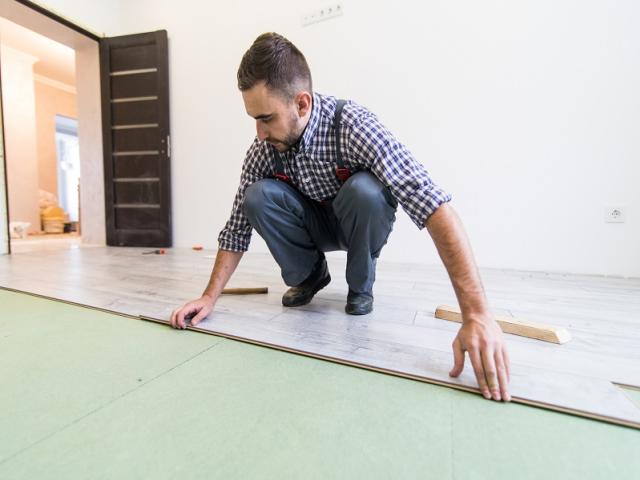
Floating floors have become very popular, especially for DIY projects. This method does not use nails or glue. Instead, the floorboards are designed to lock together and “float” above the subfloor. You’ll find this method mostly with laminate, engineered hardwood, and some vinyl floors.
The biggest benefits of floating floors are easy installation and flexibility. They allow for natural expansion and contraction due to temperature or humidity changes without damaging the floor. Floating floors also work over many types of subfloors, even if they’re not perfectly level. However, they can feel less solid compared to nailed or glued floors and sometimes produce a hollow sound when you walk on them.
5. Staple Down Installation
Staple-down installation is similar to nail-down but uses staples instead of nails. This is mostly used for engineered wood flooring with a thinner profile. The staples hold the floor securely to the wooden subfloor and are faster to install than nails.
This method works well in homes with wooden subfloors and helps reduce squeaking. Like nailing down, stapling down requires the right tools and experience to avoid damaging the floor during installation.
Why Proper Floor Installation Is So Important
No matter what type of flooring you choose, the quality of installation has a significant impact on how your floor looks and performs. Here’s why proper installation matters:
Long-Lasting Floors: Floors installed correctly last longer. Poor installation can cause warping, cracking, or boards coming loose.
Better Look: Even a great flooring material can look bad if it’s installed unevenly or has gaps and bumps.
Safety: Poor installation can cause tripping hazards or squeaky floors that worsen over time.
Comfort: Properly installed floors feel solid and comfortable underfoot. Poor installation can feel hollow or noisy.
Easy Maintenance: Floors installed correctly are easier to clean and maintain, saving you time and money later.
If you’re not confident in your skills, it’s usually worth hiring a professional to avoid problems later.
What To Expect From Flooring Installation
Professional installers handle all steps needed for a quality floor. This includes prepping the subfloor, picking the right installation method for your flooring type, laying the floor carefully, and finishing details like sealing or trimming.
Experienced installers bring the right tools and know-how to get the job done correctly the first time. They can also recommend the best installation option based on your subfloor and flooring material. Many offer warranties that protect your investment if anything goes wrong.
Before choosing an installer, ask about their process, timeline, and any prep work needed. Clear communication helps avoid surprises and ensures your floor looks great and lasts long.
Final Thoughts
Floor installation is not something to overlook. The right installation method depends on the type of flooring and your subfloor. Nail down, glue down, floating, staple down, and tile installation all have their place and advantages.
Taking the time to understand these options can save you money and frustration in the long run. Proper installation keeps your floors looking great, feeling comfortable, and lasting many years.
If you’re unsure which method fits your project best, reach out to a flooring professional. They can guide you through the process and help you avoid costly mistakes.
In the end, the floor beneath your feet deserves the right installation.