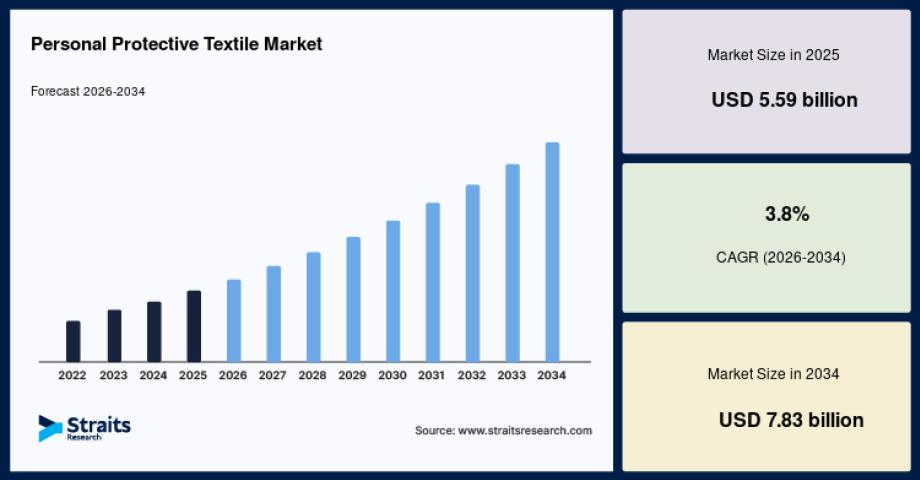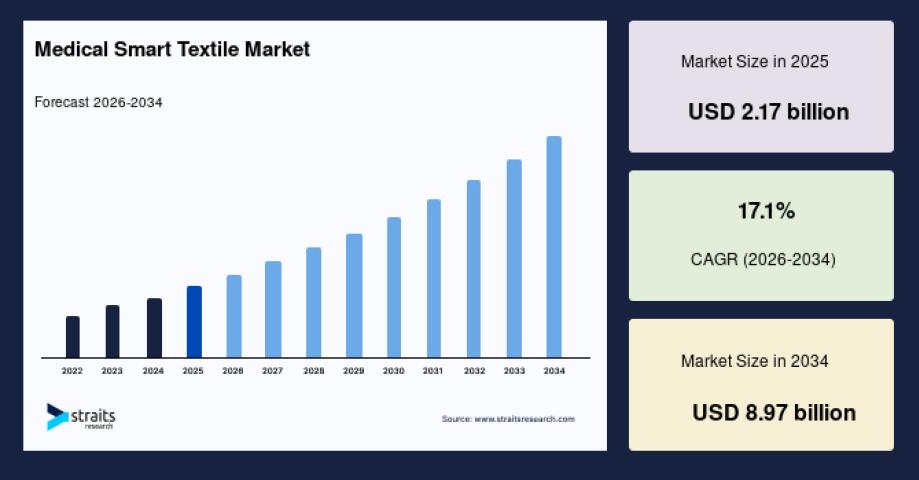

Textile design is a dynamic and ever-evolving field that combines creativity, technical expertise, and an understanding of materials to create fabrics, patterns, and products used in various industries. As the demand for innovative textiles grows, so do the career opportunities within this field. Whether you're a student considering a career in textile design or a professional looking to explore new avenues, it’s essential to understand the different paths available and how to choose the one that aligns with your skills and passions. This article delves into the various career options in textile design, how to choose the right one, and what it takes to succeed in this exciting industry.
The Importance of Textile Design
Textile design is not just about creating beautiful fabrics. It’s a multifaceted profession that plays a crucial role in numerous sectors, from fashion and interiors to automotive and medical textiles. Textiles are used everywhere — in clothing, home décor, furniture, automotive upholstery, and even in high-performance industries such as aerospace and healthcare. This makes textile design careers both versatile and in-demand. As industries look for smarter, sustainable, and functional materials, textile designers are at the forefront of creating solutions that shape the world around us.
Key Areas of Textile Design Careers
The field of textile design is vast and diverse, offering various specializations. Understanding these different career paths will help you choose the one that suits your strengths and interests:
1. Fashion Textile Design
Fashion textile designers focus on creating fabrics and patterns that are used in clothing, accessories, and footwear. This path is ideal for those passionate about fashion and interested in creating textiles that are not only functional but also visually appealing. Fashion textile designers work closely with clothing designers, stylists, and textile manufacturers to bring their ideas to life. They often experiment with different fabrics, colors, and textures to create unique collections.
-
Skills Required: Creativity, knowledge of fabric types, pattern-making, and understanding fashion trends.
-
Industries: Fashion houses, retail brands, boutique firms, and design studios.
2. Interior Textile Design
Interior textile designers specialize in creating fabrics and textiles used in home décor items like curtains, rugs, upholstery, and cushions. This branch of textile design focuses on aesthetics, comfort, and functionality within home and office spaces. As interior design trends shift toward eco-friendly and sustainable options, textile designers are now increasingly working with sustainable fibers and materials to craft eco-conscious designs.
-
Skills Required: Understanding of interior design principles, fabric durability, color theory, and knowledge of furniture trends.
-
Industries: Furniture companies, home décor brands, textile manufacturers.
3. Technical Textile Design
Technical textile designers work on developing fabrics for specialized applications beyond fashion and interior design. These textiles often serve functional and practical purposes, such as in medical, automotive, aerospace, or military industries. Technical textiles can include everything from fabrics that absorb moisture in sportswear to fire-resistant fabrics used in firefighting suits.
-
Skills Required: Knowledge of material science, engineering, chemistry, and innovation.
-
Industries: Aerospace, automotive, healthcare, manufacturing, and research labs.
4. Surface Pattern Design
Surface pattern design is a branch of textile design that focuses on creating visual designs for fabric surfaces. This could range from floral prints to geometric patterns. Surface pattern designers work on fabrics used in clothing, home décor, and even accessories. They may also be involved in printing techniques, such as screen printing, digital printing, and block printing.
-
Skills Required: Drawing skills, computer-aided design (CAD) proficiency, an understanding of pattern techniques.
-
Industries: Apparel, home décor brands, print houses, and textile manufacturers.
5. Sustainable Textile Design
With growing concerns over the environmental impact of textile production, sustainable textile design has become a critical area of focus. Designers in this field focus on creating eco-friendly, sustainable fabrics made from organic or recycled materials. They aim to reduce waste, water consumption, and the carbon footprint associated with textile manufacturing.
-
Skills Required: Knowledge of sustainable practices, eco-friendly materials, and innovative textile production methods.
-
Industries: Sustainable fashion brands, eco-friendly textile manufacturers, NGOs, and research organizations.
How to Choose the Right Career Path in Textile Design
Choosing the right textile design career involves evaluating your interests, strengths, and long-term goals. Here are some key factors to consider:
1. Assess Your Interests
The first step is to reflect on what excites you about textile design. Are you more drawn to fashion, or do you prefer working on functional textiles for industries like healthcare or aerospace? Do you enjoy working with colors and patterns, or are you fascinated by the technical side of textile development? By identifying your core interests, you can narrow down your career options in the textile design field.
2. Evaluate Your Skill Set
Textile design requires both artistic and technical skills. If you have a natural flair for creativity and enjoy experimenting with patterns, textures, and colors, a career in fashion or surface pattern design may suit you best. However, if you are more inclined toward problem-solving, engineering, or research, technical textile design or sustainable textile design might be more up your alley.
3. Consider the Job Market
Understanding the current job market and the future outlook for different areas of textile design is essential. For example, textile industry jobs in sustainable design, medical textiles, and high-performance fabrics are expected to grow as industries increasingly prioritize eco-friendly and functional materials. On the other hand, fashion and interior design sectors also offer a wide array of opportunities for creative professionals. It's worth researching which sectors are currently hiring and offering competitive salaries.
4. Understand the Work Environment
Textile designers work in different settings, from design studios and fashion houses to textile manufacturing companies and research labs. Some textile designers may work independently as freelancers, while others may be employed by large corporations or academic institutions. Think about the kind of environment you thrive in — do you prefer a more corporate setting, or would you like the flexibility of freelancing?
5. Educational and Training Opportunities
To excel in textile design, you’ll need formal education and hands-on experience. Many universities and design schools offer degree programs in textile design, fashion design, or material science. You can also gain specialized knowledge through workshops, internships, and industry certifications. Choosing the right educational path can open doors to a wide range of career opportunities within the textile industry.
Textile Jobs: A Growing Industry with Diverse Opportunities
The textile industry is vast, and so are the career opportunities. Whether it’s fashion design, technical textiles, or surface pattern creation, there is a growing demand for skilled professionals who can push the boundaries of textile innovation. Textile jobs are not limited to just design roles; they also include positions in research and development, manufacturing, marketing, and sales.
As industries continue to explore new possibilities for textiles, including wearable technology, smart fabrics, and sustainable materials, the role of textile designers will become even more vital. The future of textile design careers looks bright, with plenty of opportunities to explore, innovate, and create fabrics that enhance lives.
Conclusion
Choosing the right textile design career can be a life-changing decision that aligns your creativity with your professional ambitions. With a broad range of specializations to choose from, it’s essential to assess your interests, skills, and the career outlook in the textile industry. Whether you're interested in pursuing textile industry jobs in fashion, interior design, or cutting-edge technical textiles, there's a niche for everyone. By staying up-to-date with industry trends, gaining the necessary qualifications, and building your experience, you can carve out a successful career in textile design and shape the future of fabric innovation.