In today's society, environmentally friendly trash disposal is becoming more and more significant. The consumption of raw materials is rising in tandem with the world's rapidly expanding population, and this cycle is producing more industrial trash than ever before. There will probably be detrimental effects on the environment if this trash is not managed sustainably and efficiently. It is essential for a facility or operations manager to properly weigh all of their options. Skips For Hire is the dependable option for hassle-free, quick, and reasonably priced waste removal services.
Reusing
Recycling transforms waste materials into useful resources while keeping them out of landfills and incinerators. Only 30% of waste in the United Kingdom is now recycled, even though 75% of it is recyclable. Reusing one tonne of paper saves 60 pounds of pollutants from the atmosphere, 3.2 cubic yards of recycled landfill space, 4,100 kilowatts of electrical energy (enough to power an ordinary home for six months), 17 trees, and 2 barrels of oil (enough to operate an average car 1,260 miles).
Trash Removal
Garbage disposers can shred large inefficiency into smaller pieces that will break down more quickly, making them ideal for common kitchen waste. To put it another way, waste disposal units help to reduce waste.
For instance, about 20 per cent of environmental trash is made up of food leftovers. To prevent them from ending up in a landfill, it would be crucial to distribute them through a garbage disposal instead of throwing them as trash, so they can be converted into fertiliser or renewable energy.
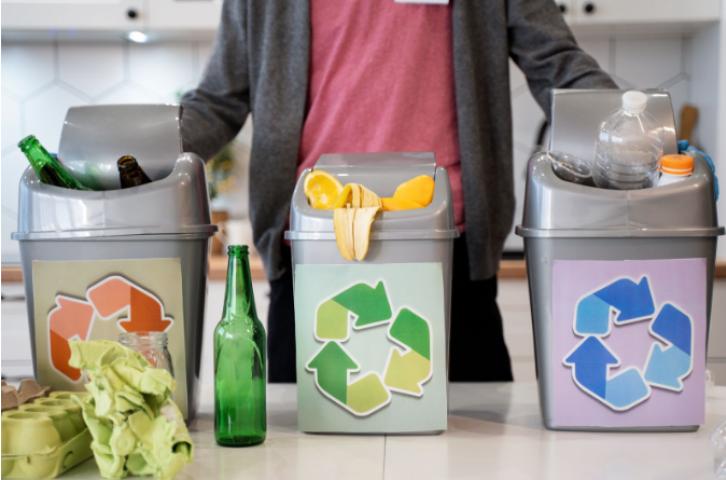
Continue to recycle Paper (and some plastic), glass, and metal
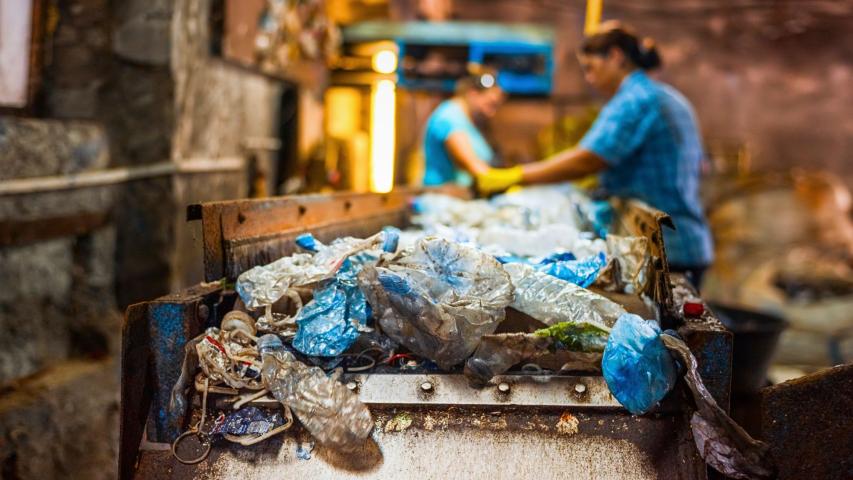
Devoted recyclers' morale has suffered during the past few years. It was made public after China ceased taking in plastic waste that just 6 per cent of plastic is recycled and that, as early as 1974, big oil was privately acknowledging that plastics being recycled was never going to be profitable.
In light of that information, it can be disheartening to keep trying.
However, it's important to understand that recycling is practical and efficient for some materials. Paper, cardboard, steel, glass, and aluminium are all very recyclable.
Making compost
Composting is the result of organic wastes being broken down into simpler forms by microbes. The waste's carbon serves as a source of electricity for the microbes. In a similar vein, the heat produced destroys undesirable organisms like diseases and weed seeds. Thus, one of the earliest and most effective environmentally friendly waste management methods that reduces the harm that waste processes cause to the surroundings is decomposition.
Sites For Hazardous Waste
Most hazardous waste is produced by a range of commercial and industrial processes. The following traits characterise the category of hazardous waste:
The ability to ignite
Corrosively
Reactivity
The toxicity
It should come as no surprise that locations with hazardous waste contain materials that are bad for the environment and human health. Therefore, disposing of hazardous garbage in a landfill along with other waste types and mixing it with non-hazardous waste poses a serious risk. That could lead to further harm and degradation of the air, water, and soil. To put it briefly, landfills should never be used to dispose of hazardous trash.
Turn it into Energy
Waste-to-energy plants are more of a collective endeavour than a do-it-yourself endeavour, but raising awareness is a crucial first step.
The countries with the highest proportions of adoption of this municipality's solid waste solution are Scandinavia and Japan.
The UK is a prime example of this approach. In Sweden, just 1% of garbage ends up in landfills. The bulk (52%) is burned in a specialised incinerator to produce electricity, while the remaining 47% is recycled. Waste in the UK generates enough energy to power a quarter of a million houses and heat a million. They simultaneously cut their annual carbon dioxide (CO2) emissions by 2.2 million tons.
Creative Solutions: New Trends And Technologies
As the global emphasis on lowering carbon emissions grows, cutting-edge technology in sustainable waste handling is setting the standard.
These include cutting-edge recycling machines that sort and recycle items with previously unheard-of accuracy and sophisticated composting techniques that transform organic trash into nutrient-rich soil.
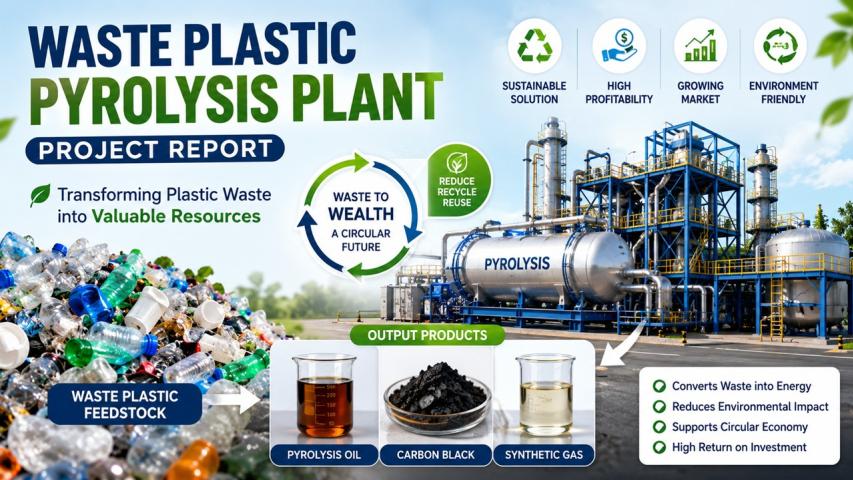
Landfills are being replaced by waste-to-energy plants, which convert waste into renewable electricity. By providing a window into a future in which garbage is not an end in itself but rather the beginning of something new, these environmentally friendly waste disposal solutions are changing both the sector and our future.
Final Words
In order to reduce our environmental impact and work towards a healthy planet, these environmentally friendly methods are essential. Developing sustainable waste management practices reduces pollution, supports a more harmonious living with the environment, and makes a substantial contribution to conservation efforts.