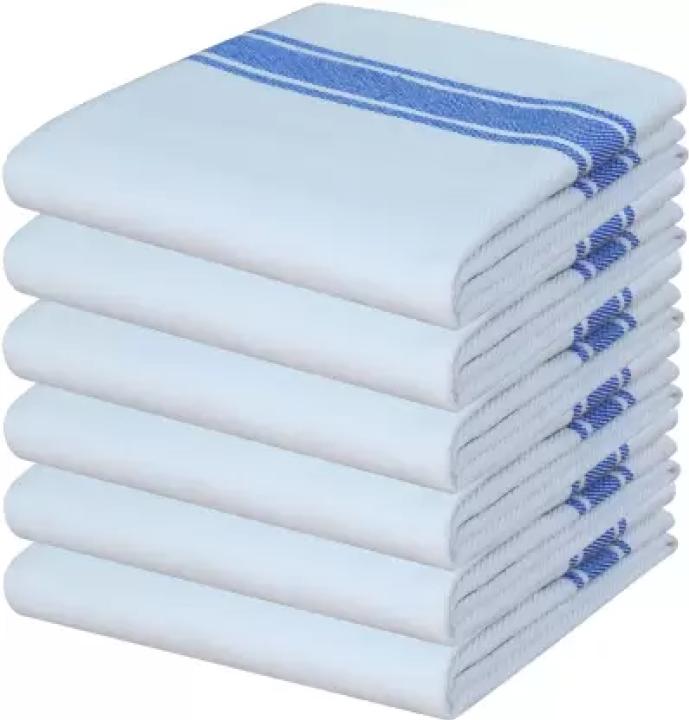
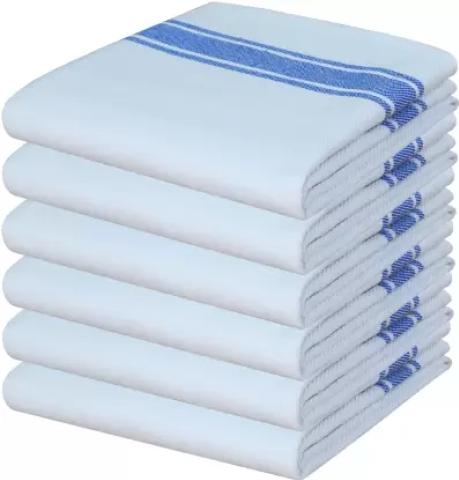
Kitchen towel manufacturing is a detailed process that combines skilled craftsmanship, quality materials, and modern production techniques to create one of the most essential items in any kitchen. While a kitchen towel may seem simple, its durability, absorbency, and design are the result of careful planning and precise manufacturing steps.
1. Selecting the Right Fabric
The process begins with choosing high-quality fabrics, typically 100% cotton, linen, or blends. Cotton is widely favored for its softness and absorbency, while linen is known for its strength and quick-drying properties. The choice of fabric largely determines the performance and feel of the towel.
2. Weaving the Fabric
Once the fabric is selected, weaving is carried out using techniques like plain weave, drill weave, or twill weave, depending on the towel’s intended use. The weave pattern affects both texture and absorbency—plain weave is smooth and lightweight, while twill and drill weaves offer extra strength and thickness.
3. Cutting and Shaping
Large rolls of woven fabric are cut into specific dimensions, ranging from standard kitchen towel sizes to custom measurements for special orders. Precision in cutting ensures uniformity and avoids waste.
4. Sewing and Finishing
Edges are hemmed or stitched to prevent fraying and to give the towel a neat, durable finish. Some manufacturers add hanging loops for convenience. At this stage, attention to stitching quality is crucial, as strong seams extend the life of the towel.
5. Printing and Designing
Depending on the >
6. Quality Control
Each towel undergoes strict quality checks for absorbency, stitching strength, color fastness, and overall finish. Only products meeting set standards move forward to packaging.
7. Packaging and Distribution
Finally, towels are folded, packaged, and shipped to retailers, wholesalers, or directly to customers worldwide. Eco-friendly packaging is increasingly common as part of sustainable manufacturing practices.
In conclusion, kitchen towel manufacturing is not just about producing a simple piece of cloth—it’s about blending utility, aesthetics, and durability into a product that serves as a trusted kitchen companion for years.