
Summary
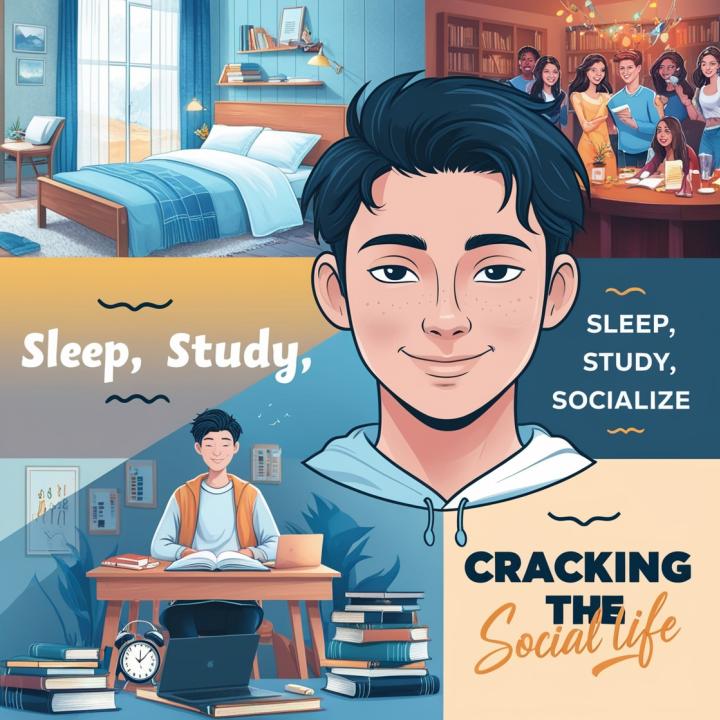
Balancing sleep, study, and social life is a juggling act. Especially for students navigating the highs and lows of university life. This article gives a practical, grounded guide to getting your head above the water. From carving out quality sleep time and acing productive study sessions, to enjoying social life without burnout, it helps you build a rhythm that works. Alongside life>student accommodation to support your wellbeing, because where you live deeply affects how you balance everything else.
Introduction
Let’s face it, student life isn’t a walk in the park. “Pick two: grades, sleep, or a social life”. You’ve heard the joke, but is it just a joke? Not really. Good sleep makes you sharper, social time keeps you sane, and academic success opens doors. But striking the right mix? That’s the real challenge. And your living space in Leeds can tip the scales in your favor.
Getting the Sleep–Study–Social Mix Right
The power of sleep
Adequate sleep is non-negotiable for memory, mood, and concentration. Skimp on sleep, and your GPA starts sliding. Some studies show the impact rivals that of binge drinking or stress.
Aim for 7–9 hours a night to avoid memory issues and foggy thinking.
Set a consistent sleep schedule, even on weekends, to avoid “social jet lag,” which disrupts focus and performance.
Create a sleep-friendly zone: dim lights, a cool room, and a phone-free hour before bed.
Study smarter, not just harder
Getting quality study time is about being strategic. Small tweaks can make a big difference.
Use techniques like Pomodoro (25-minute focused blocks followed by short breaks) to avoid burnout and stay sharp.
Keep a clean schedule, plan study sessions, socials, and self-care time into your week.
Stay socially grounded without getting derailed
Social life is vital. But overdoing it risks burning out. Online student forums often echo a wiser sentiment: you only do all three- sleep, study, socialize some weeks. Other times, two is more than enough.
Set intentional social time (maybe once a week) and stick to it.
Replace screen time with occasional face-to-face meetups or events. It builds mental resilience.
How Your Living Space Shapes the Balance
Where you live affects your schedule
Your environment impacts every part of your routine. So, pick wisely.
Quiet environments near campus help you sleep better and cut commute stress.
Social spaces in student halls encourage downtime with friends or alone.
If you're in a noisy flat or far from uni, sleep slips, studying gets messier, and socializing becomes draining.
Choosing the right Student Accommodation Leeds isn’t glam, it’s strategic.
Other Balance Boosters
Structure Meets Self-Care
Plan with boundaries
Set study, relaxation, and “do nothing” blocks in your week. This keeps burnout at bay.
Learn to say no when needed. Even to good invites.
Move your body and clear your mind
Physical activity, even a short walk, sharpens focus and boosts sleep. And make time for mindfulness or breathing exercises. Low-effort, high-impact mental care.
Conclusion
Sleep, study, and socializing aren’t enemies. They are three sides of the student-life triangle. You don’t have to sacrifice everything for academic success. Just be thoughtful about your rhythms and routines. Good sleep and planned fun boost your productivity, and your housing choice in Leeds can either help or hinder that cycle. So, create the balance that supports your goals, health, and social life. You’ve got this.
FAQs
Can students keep sleep, study, and social life all balanced?
Yes, by creating structure, prioritizing sleep, and scheduling social time smartly. It might shift week to week, but you can stay grounded with good habits.
What are the best study methods that save time and increase focus?
Try the Pomodoro Technique. 25 minutes of deep work, followed by a 5-minute break. Use planners or apps to schedule study sessions and breaks.
How much sleep do students really need for peak performance?
Most need between 7 to 9 hours per night. Less can lead to lower cognitive function, memory loss, and mood swings.
How do I avoid being sleep-deprived?
Stick to a sleep schedule, create a calming bedtime routine (low light, limit screens), and set up a cozy sleep-friendly environment.
What should I consider in Student Accommodation Leeds to support my balance?
Look for quiet study spaces, good lighting, proximity to campus (to avoid commute fatigue), and communal spaces that encourage selective socializing without distraction.