
In modern supply chain management, warehouse mapping has emerged as a critical strategy for improving storage efficiency, inventory control, and overall operational productivity. Whether a business operates a small storage facility or a large distribution center, having a clear and accurate map of the warehouse layout is essential for optimizing workflow and minimizing errors.
What is Warehouse Mapping?
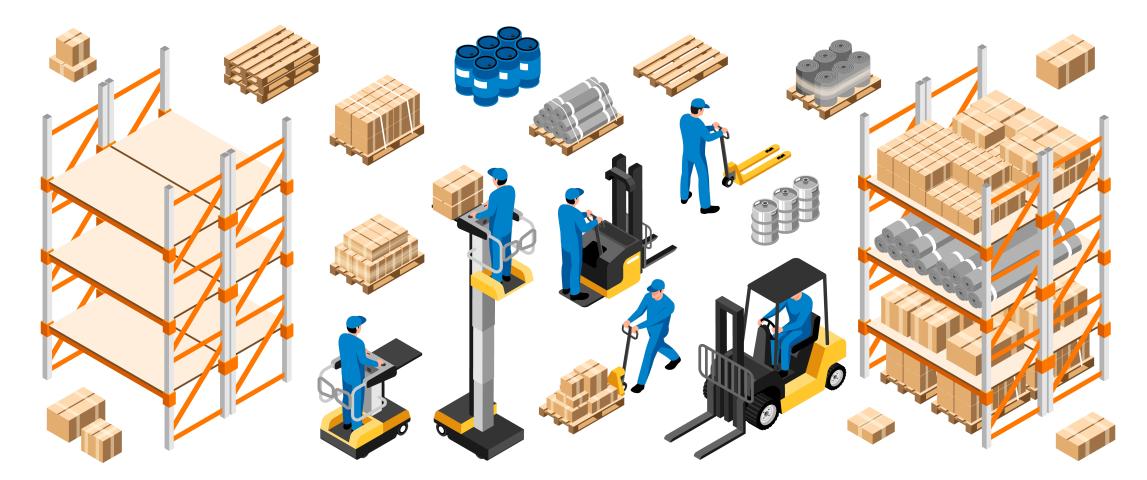
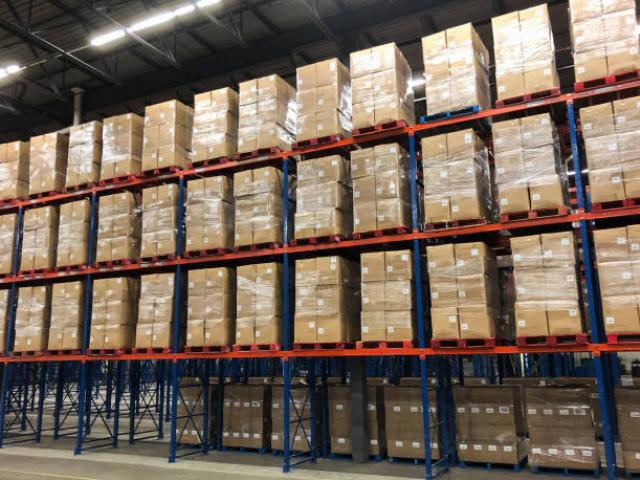
Warehouse mapping is the process of creating a detailed visual representation of a warehouse’s layout, including storage racks, shelving units, pallet locations, aisles, loading docks, and other operational zones. This map serves as a blueprint that guides employees, management systems, and automated equipment to the correct locations efficiently.
By implementing warehouse mapping, companies can improve navigation within the facility, reduce the time spent searching for inventory, and streamline order fulfillment.
The Importance of Warehouse Mapping
Inaccurate or outdated warehouse layouts can lead to misplaced inventory, slow order processing, and wasted labor hours. Warehouse mapping addresses these issues by providing a clear, organized system that enables workers to quickly locate items and follow optimized picking routes.
For example, in an e-commerce fulfillment center, warehouse mapping ensures that high-demand products are placed in easily accessible locations to speed up picking. Similarly, in manufacturing warehouses, mapping helps keep production materials organized and ready for use.
Benefits of Warehouse Mapping
- Improved Inventory Accuracy – With a detailed warehouse mapping system, businesses can maintain accurate inventory records by clearly identifying product storage locations.
- Faster Order Fulfillment – Mapping allows workers to follow the most efficient routes, reducing travel time between picks.
- Better Space Utilization – A clear map helps identify unused or underutilized space, enabling smarter storage planning.
- Enhanced Safety – By marking hazardous zones, emergency exits, and safe pathways, warehouse mapping promotes a safer working environment.
- Integration with Technology – Modern warehouse mapping can be integrated with warehouse management systems (WMS) and barcode scanning for real-time inventory tracking.
Steps to Implement Warehouse Mapping
- Conduct a Warehouse Audit – Start by assessing the current layout, noting storage capacity, and identifying problem areas.
- Create a Digital Layout – Use software tools to design an accurate warehouse mapping blueprint that includes shelving, equipment, and pathways.
- Label All Locations – Assign unique codes or numbers to each location for easy identification.
- Integrate with WMS – Link the map to your warehouse management system for automated inventory updates.
- Train Staff – Ensure employees understand how to read and use the warehouse map effectively.
The Future of Warehouse Mapping
With the rise of automation, robotics, and artificial intelligence in logistics, warehouse mapping is becoming more dynamic. Real-time mapping technologies allow facilities to adjust layouts instantly based on demand, seasonal fluctuations, or operational changes. Augmented reality (AR) is also being explored to help workers navigate warehouses using smart glasses or mobile devices.
Conclusion
Warehouse mapping is more than just a floor plan—it’s a strategic tool that drives efficiency, accuracy, and safety in warehouse operations. Businesses that invest in well-planned mapping solutions can enjoy faster order processing, better space utilization, and improved inventory control, positioning themselves for success in today’s competitive supply chain environment.