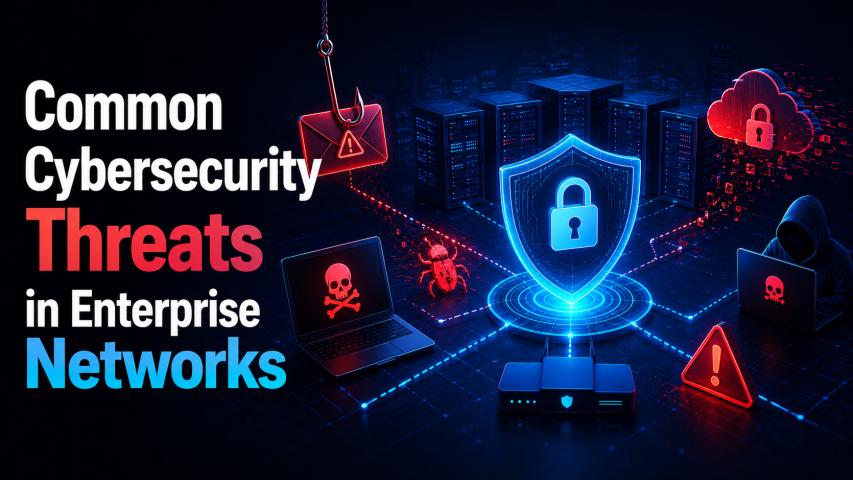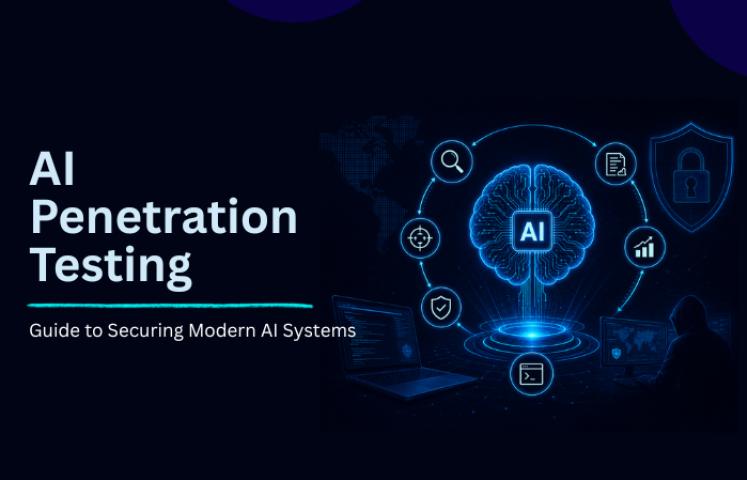

It is more important than ever to understand and take care of safety concerns in a time when dangers are growing more complex and unexpected. A security needs assessment is essential for creating a strong protection framework, whether an organisation is protecting confidential information or a corporation is protecting resources.
This procedure involves evaluating present risks, spotting possible weak points, and creating plans to lessen them before they have a chance to do damage. The knowledge provided can make the difference between vulnerability and readiness, whether it is for cybersecurity or physical security. In order to keep ahead of evolving issues, businesses and organisations nationwide are recognising the importance of a Security Needs Assessment UK service.
Increasing Trust and Resilience in Organisations
A company's capacity to adapt is what makes it strong in the rapidly changing environment of today. Durability and trust go hand in hand and are the basis of long-term development. A company's stakeholders are more confident when it promotes a culture of safety. Long-lasting connections are established by this trust with partners, clients, and staff.
Building resilience is a gradual process. It calls for preparedness and constant effort. Businesses can improve their defences by recognising weaknesses. Organisations may bounce back quickly from setbacks when they have a flexible mindset. This combined focus on reactivity and readiness has the potential to be transformative.
Finding Weaknesses Before They Are Taken Advantage of
In the interconnected world of today, it is important to recognise potential holes. Several cyber threats pose a continuous danger to organisations. Risks are significantly decreased when problems are identified before they can be resolved. Character and resources can be maintained through prompt detection. Preventive actions are significantly more effective than reactionary ones; every second matters.
Furthermore, careful examination can uncover possible risks that are not immediately apparent. Older software components, for example, can be extremely dangerous. A proactive mindset and regular examinations aid in protecting significant assets. Methods such as vulnerability assessment and reconnaissance offer important information about the present situation.
Increasing Adherence to Regulations
Organisations have to abide by regulations and standards in today's highly scrutinised world. In addition to minimising risks, conformity promotes an honest culture. Rules change throughout sectors and geographical areas; therefore, it's important to remain educated. Maintaining compliance can be a difficult undertaking, particularly for businesses that are changing rapidly.
Increasing Client Trust in Your Systems
Consumer trust is essential in the current technological climate. Customers are becoming increasingly aware of the possible dangers to their data. They want to be sure that their data is being handled safely. The basis of this trust is openness and reliability. Users are more likely to use your products and services when they feel protected.
It takes continuous effort to build an excellent track record. Trust can be increased by performing regular inspections of your equipment. It indicates that you have worries about their well-being. Making use of cutting-edge resources and methods in such evaluations shows that you are devoted to protecting the interests of others. According to studies, 81% of customers will no longer communicate with a brand following a breach of data.
Establishing a Security-Aware Culture
It's important to create an environment where being alert comes naturally. Your first line of defence is your staff. They need to be informed of such dangers. Collective resistance is increased when people are informed of the risks. Being involved is about possession, not just conformity.
Regular meetings for training are essential. Workshops that are participatory can have an enormous effect. Staff members stay up-to-date on the most current dangers through exciting events. A sense of accountability is created by promoting discussions about preventative measures. A skilled workforce can quickly spot strange behaviour.
Promoting Constant Enhancement in Security Procedures
The constantly changing nature of tech demands a commitment to advancement. Businesses should always focus on strengthening their safety procedures. It all comes down to creating an active strategy that changes as new risks arise. Since stasis can have disastrous results, it is essential to continuously modify and enhance techniques.
Regular evaluations encourage an ongoing enhancement mindset. This way of thinking ensures that organisations foresee problems rather than just reacting to them. Teams can gain knowledge from previous encounters by putting progressive frameworks into practice. More significantly, it gives them the ability to effectively change their processes.
Encouraging Preventive Risk Management
Identifying and reducing risks is essential in the rapidly changing world of AI technology. Organisations must take proactive measures in order to spot problems before they become worse. In addition to protecting resources, this move to proactive leadership improves overall efficiency in operations. Organisations may make sure they stay one step ahead by keeping constant consciousness.
Final Words
There is much more to a security needs assessment than just going over doors and passwords. It is a thorough assessment that affects how businesses handle danger, security, and planning for the future.
The advantages go far beyond immediate protection by detecting dangers, reducing expenses, enhancing conformity, and enhancing image. Those who take the time to evaluate their needs for safety now will be much better equipped to face tomorrow's problems with confidence in a world where dangers are ever-changing.