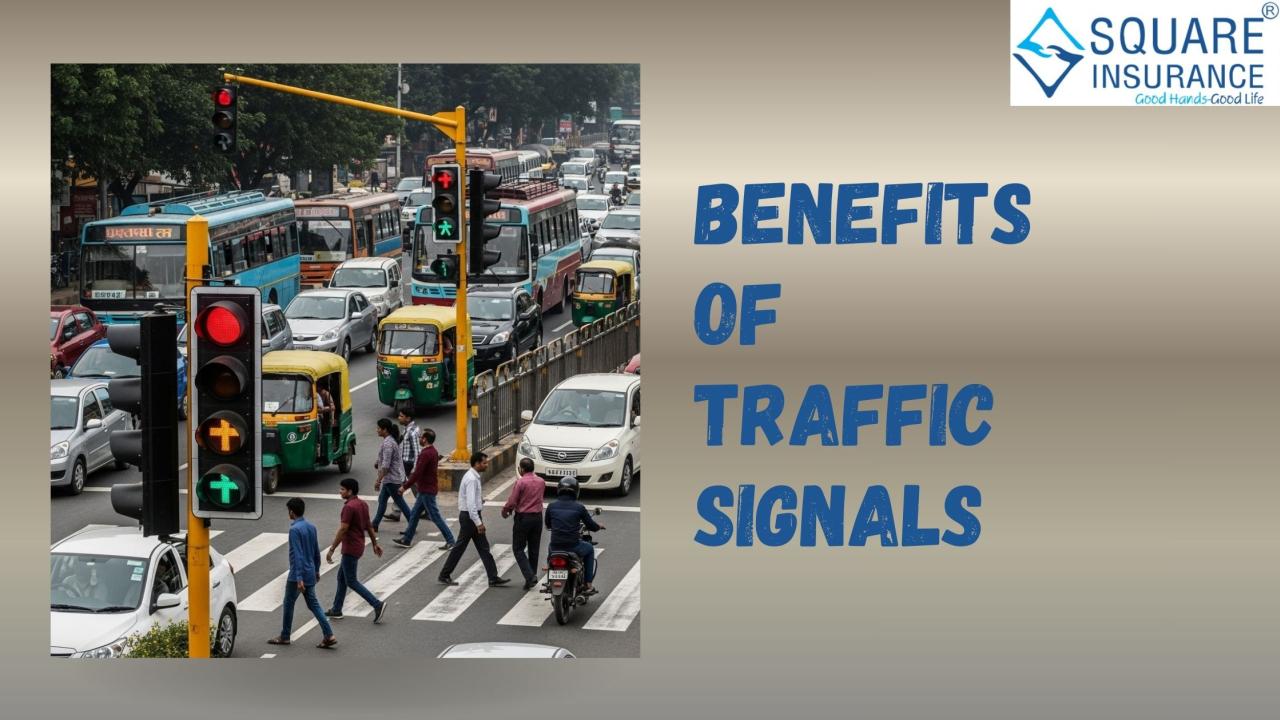
Traffic signals are an inseparable part of modern transportation systems. They may appear to be simple devices with just three colors—red, yellow, and green—but their importance goes far beyond lights changing at an intersection.In India, where the roads are shared by millions of vehicles, pedestrians, and even non-motorized forms of transport, traffic signal in India has become the backbone of road safety and traffic management.
This article explains the key benefits that traffic signals bring to India, highlighting their role in safety, order, and overall efficiency of daily life on the road.
1. Ensuring Safety for Everyone
The most obvious and significant benefit of traffic signals is safety. Roads in India are often crowded with vehicles of all sizes, ranging from bicycles and two-wheelers to buses and trucks. Without proper control, intersections would become hotspots for accidents.
- For Drivers: Signals indicate when it is safe to move, wait, or stop. This reduces the risk of collisions, particularly at busy junctions where vehicles from multiple directions converge.
- For Pedestrians: Pedestrian signals and timed crossings provide safe opportunities for people to walk across busy roads without fear. This is especially important in urban areas where foot traffic is heavy.
- For Cyclists and Two-Wheelers: Signals help protect smaller vehicles by controlling the movement of larger, faster traffic.
In short, traffic signals act as silent guardians that protect all categories of road users.
2. Regulating Traffic Flow
One of the biggest challenges in Indian cities is the sheer volume of vehicles. Without regulation, intersections could quickly turn chaotic. Traffic signals manage this by allowing one side to move while the other waits.
- They organize vehicle movement and prevent the rush of cars from all directions at the same time.
- They reduce gridlocks, where vehicles block each other at intersections.
- They create a predictable system, which reduces stress for drivers and makes commuting smoother.
Even in smaller towns, where traffic is lighter, signals bring order and prevent unnecessary confusion.
3. Reducing Road Accidents
Every year, India reports a large number of road accidents, many of which happen at intersections due to lack of discipline or miscommunication among drivers. Traffic signals directly reduce such risks by:
- Clearly separating the time each direction is allowed to move.
- Giving sufficient time for vehicles to clear the junction before the next side starts.
- Warning drivers with the yellow (amber) light to slow down instead of rushing.
When followed properly, signals can prevent a significant number of accidents, making roads safer for both drivers and pedestrians.
4. Providing Equal Road Access
In India, roads are not just used by private cars but also by buses, trucks, auto-rickshaws, bicycles, and pedestrians. Without signals, traffic from smaller or less busy roads would never get a chance to enter or cross main roads.
Traffic signals ensure fairness by:
- Giving equal opportunity for vehicles from all directions to move.
- Allowing safe pedestrian crossings in between heavy vehicle flows.
- Balancing priority between highways, main roads, and smaller connecting roads.
This fair distribution of movement is crucial in a diverse country like India, where different kinds of road users share the same space.
5. Supporting Emergency Management
Modern traffic systems often allow adjustments in signal timing to help emergency vehicles like ambulances, fire trucks, and police vans pass quickly. Even in regular systems, traffic lights play a role by stopping other vehicles long enough for emergency vehicles to cross.
This quick clearance is vital in life-and-death situations, where every second matters. By giving right of way through signals, roads become more supportive of urgent needs.
6. Promoting Discipline Among Drivers
Traffic signals are not just about lights—they are a symbol of discipline. By obeying them, drivers practice patience and respect for others on the road. Over time, this builds a culture of lawfulness and courtesy.
- Stopping at red lights teaches responsibility.
- Slowing at yellow lights teaches caution.
- Moving at green lights only when safe teaches awareness.
These small lessons add up to long-term improvements in road behavior, reducing reckless driving habits that often cause accidents.
7. Reducing Stress and Confusion
Without traffic signals, intersections would depend entirely on human judgment. Drivers would constantly need to guess whether it was their turn to move, which could lead to arguments, honking, and road rage.
Signals solve this by offering a clear and predictable system. Drivers know exactly when to stop and when to go, which reduces anxiety and makes driving less stressful, especially during peak hours.
8. Environmental and Economic Benefits
Traffic signals also have indirect benefits that many people overlook:
- Fuel Saving: When traffic moves in an organized flow, vehicles spend less time idling unnecessarily or accelerating suddenly. This reduces fuel consumption.
- Lower Pollution: Efficient traffic flow means fewer emissions, which helps reduce air pollution in cities.
- Time Saving: By preventing jams and confusion, signals help save valuable time for commuters, improving overall productivity.
Thus, traffic lights contribute not just to safety but also to broader environmental and economic well-being.
9. Helping in Urban Planning
In rapidly growing cities, traffic signals play a role in urban planning. Authorities use data from signals—such as waiting times, traffic volume, and accident reports—to design better roads and intersections in the future.
Signals also allow flexible timing adjustments depending on traffic conditions. For example, during peak office hours, one direction may get more green-light time than during quieter periods. This flexibility makes them an important tool for managing complex city traffic.
FAQs:- Frequently Asked Questions
Q1. Why are traffic signals important in India?
Traffic signals help maintain order on busy roads, reduce accidents, provide equal access to all directions of traffic, and ensure safety for pedestrians and drivers alike.
Q2. What do the three main traffic light colors mean?
- Red: Stop completely.
- Yellow (Amber): Slow down and prepare to stop.
- Green: Go, but only if the road ahead is clear.
Q3. Are traffic signals the same across India?
Yes, the standard red, yellow, and green system is followed across the country. Some cities also use digital timers and pedestrian signals for added convenience.
Q4. What happens if someone ignores a traffic signal in India?
Jumping a red light is a violation under the Motor Vehicles Act. Offenders can face fines, penalty points on their license, or other legal action depending on the state’s rules.
Q5. How do traffic signals benefit pedestrians?
Pedestrian signals and designated crossing times allow people to cross roads safely without rushing through moving traffic. This is particularly useful in crowded cities.
Q6. Why is insurance important even if traffic signals are followed?
While traffic signals greatly reduce risks, accidents can still happen due to unexpected factors like weather, human error, or technical issues. Providers like Square Insurance help vehicle owners stay covered against damages, making driving safer and more secure.
Conclusion
Traffic signals in India may look simple, but the benefits they provide are wide-ranging. They ensure safety, regulate flow, prevent accidents, and bring fairness to all road users. Beyond that, they help reduce stress, save fuel, lower pollution, and even support emergency services.
As India continues to urbanize and the number of vehicles increases, the role of traffic signals will only become more critical. Respecting them is about making the roads safer, smoother, and more effective for everyone, not just about obeying the law. Each time a driver or pedestrian follows a traffic signal, they contribute to a more disciplined and responsible society.