The demand for digital reading and listening platforms has grown significantly in the past decade. With the rise of audiobooks and eBooks, businesses are looking for flexible and scalable solutions to provide users with personalized reading and listening experiences. One of the most effective ways to achieve this is through a white label audiobook app. This article explores the features, benefits, and development insights of such apps, offering a complete guide for businesses considering entering this space.
Understanding the Concept of a White Label Audiobook App
A white label audiobook app is a ready-made software solution that businesses can customize and brand as their own. Instead of building an app from scratch, companies can adopt a pre-built platform and modify it with their logo, design elements, and specific features to match their brand identity. This approach saves significant time and resources while still providing a high-quality user experience.
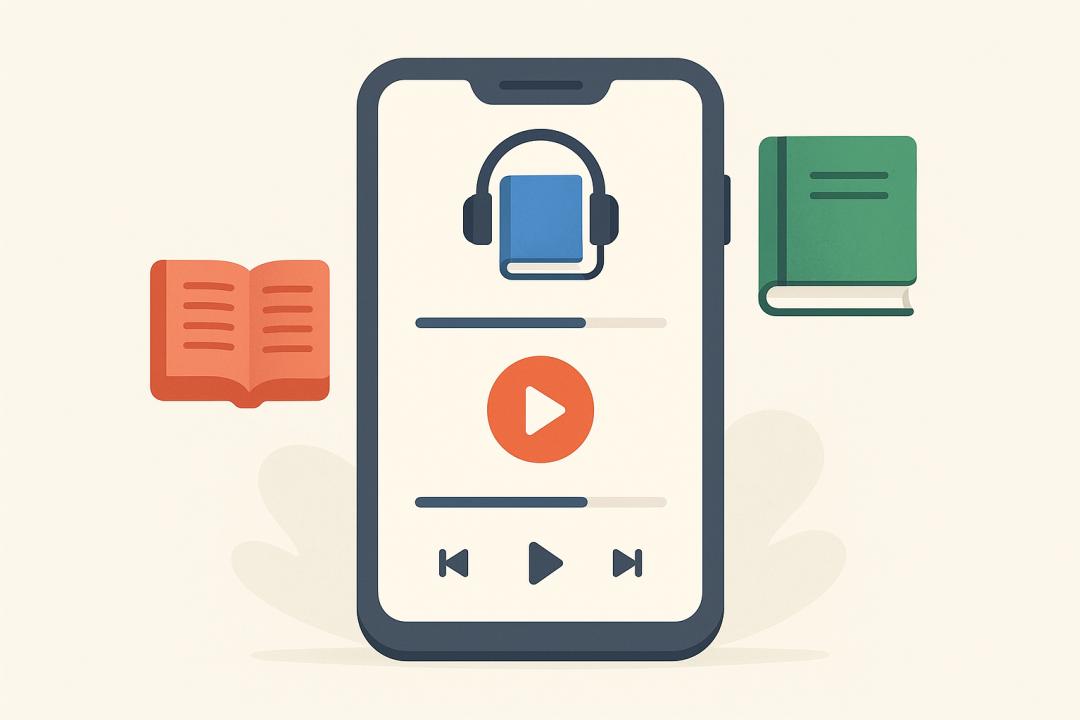
In addition, there is also the concept of a White Label Audio eBook App, which allows businesses to combine the best of both worlds—offering audiobooks and eBooks within the same platform. This dual functionality enhances user engagement and broadens the customer base by catering to both readers and listeners.
Key Features of a White Label Audiobook App
When it comes to audio eBook app development, the success of the platform largely depends on the features it offers. A well-designed app must meet user expectations while also providing advanced functionalities for businesses. Some key features include:
1. Custom Branding
Businesses can fully customize the app with their brand logo, color scheme, and fonts. This helps maintain brand consistency and builds trust among users.
2. Wide Library Access
A robust audiobook and eBook library is essential. The app should support multiple genres and authors to attract a diverse audience.
3. Seamless User Experience
Features such as intuitive navigation, offline access, bookmarks, and progress syncing improve usability and enhance customer satisfaction.
4. Multi-Format Support
Supporting different formats, including MP3, AAC, and EPUB, ensures that users can enjoy a variety of content without technical limitations.
5. Advanced Search and Filters
Powerful search options help users quickly find titles based on author, genre, or keywords.
6. Personalization Options
Personalized recommendations based on listening or reading history can improve engagement and user retention.
7. Monetization Tools
Options such as subscription models, one-time purchases, or in-app ads allow businesses to monetize effectively.
Benefits of Launching a White Label Audiobook App
Adopting a white label solution offers several advantages compared to building an app from the ground up. These benefits include:
1. Faster Time to Market
Developing an app from scratch can take months, if not years. A white label audiobook app reduces this timeline significantly, allowing businesses to launch their service quickly and stay ahead of competitors.
2. Cost-Effective Solution
Custom app development requires a large investment in design, coding, and testing. With a white label solution, businesses save money while still accessing a robust platform.
3. Scalability and Flexibility
As user demand grows, the app can be scaled to handle more traffic and additional features. This flexibility ensures long-term growth.
4. Enhanced Brand Value
Offering a branded app increases credibility and strengthens a company’s digital presence in the audiobook and eBook industry.
5. Revenue Opportunities
With features such as subscriptions and targeted promotions, businesses can explore multiple revenue streams and maximize profitability.
Development Insights into Audio eBook App Development
Building an audiobook or audio eBook app involves several stages. While white label solutions simplify this process, understanding the development insights can help businesses make better decisions.
1. Market Research and Planning
Before choosing a white label solution, businesses must conduct research to understand target audiences, competitors, and emerging trends. Identifying user preferences ensures that the chosen platform aligns with market needs.
2. Choosing the Right White Label Provider
Selecting a reliable provider is critical. Companies should evaluate factors such as app performance, customization options, customer support, and pricing models before making a decision.
3. Integrating Content Partnerships
To provide users with a rich content library, businesses need licensing agreements with publishers, authors, or distributors. A strong catalog is the backbone of any audiobook or eBook app.
4. Ensuring Security and Compliance
Data privacy, secure transactions, and digital rights management (DRM) are essential components of audio eBook app development. These ensure that both user data and content are protected.
5. Testing and Quality Assurance
A seamless user experience can only be achieved through rigorous testing. Performance testing, device compatibility checks, and bug fixes must be carried out before launch.
6. Ongoing Maintenance and Updates
Even after launch, regular updates, security patches, and feature enhancements are crucial for keeping the app competitive and user-friendly.
Conclusion
A white label audiobook app provides businesses with a powerful opportunity to tap into the booming digital reading and listening market. With features like custom branding, personalization, and robust monetization options, companies can deliver a superior experience while maintaining brand identity. Additionally, a White Label Audio eBook App extends the value proposition by combining audiobooks and eBooks into a single platform. By understanding the development process, selecting the right provider, and focusing on content quality, businesses can launch an app that not only meets current demands but also scales for future growth.
Frequently Asked Questions (FAQs)
1. What is the difference between a white label audiobook app and a custom-built app?
A white label app is a pre-built solution that businesses can customize, while a custom-built app is developed from scratch. The former is faster and cost-effective, while the latter allows complete control but requires more time and investment.
2. Can I integrate both audiobooks and eBooks in a single app?
Yes, with a White Label Audio eBook App, businesses can offer both audiobooks and eBooks, catering to users who prefer reading, listening, or both.
3. How can businesses monetize a white label audiobook app?
Monetization strategies include subscription models, pay-per-download, in-app purchases, and advertisements.
4. What are the technical requirements for audio eBook app development?
The technical requirements include multi-format support, DRM integration, secure payment gateways, and cross-platform compatibility.
5. Is it possible to scale a white label audiobook app as the business grows?
Yes, most white label solutions are designed to be scalable, allowing businesses to add new features, expand their libraries, and support more users as demand increases.