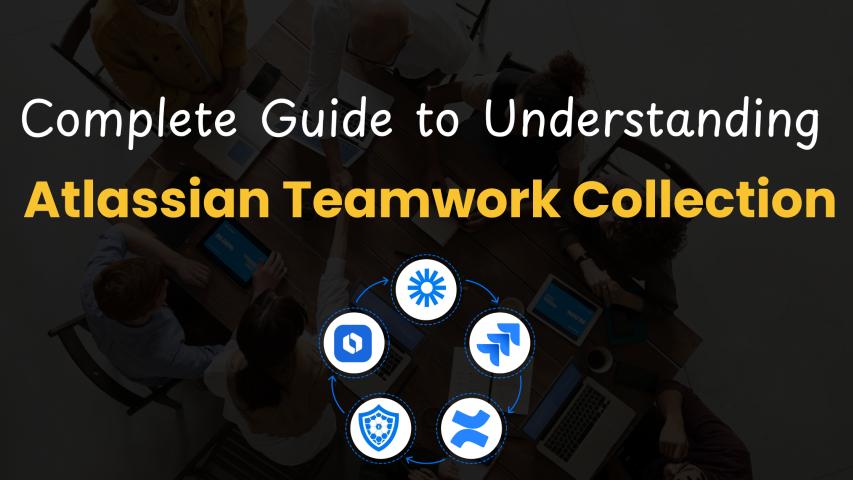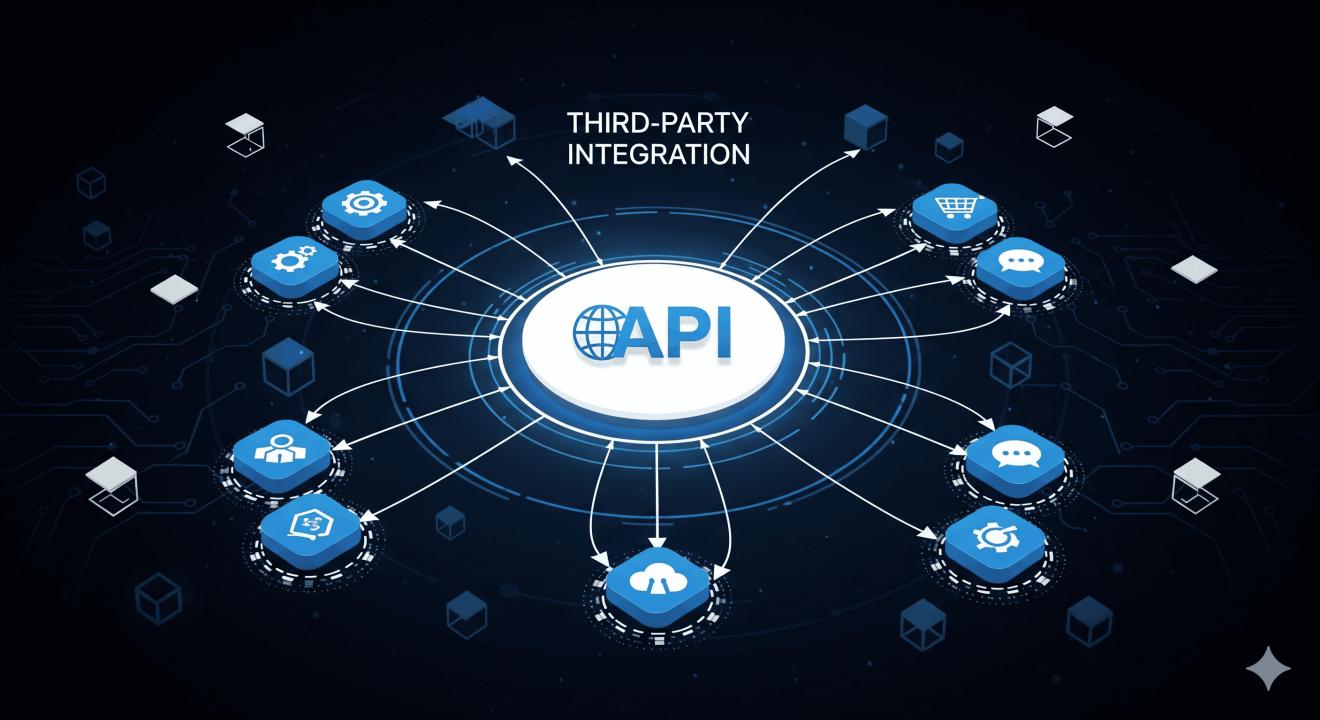

The Atlassian Teamwork Collection is designed to help organizations streamline collaboration across Jira, Confluence, Loom, Rovo AI, and Guard Standard. However, as businesses scale, they often need more flexibility than what comes out of the box. APIs and third-party integrations enable teams to extend functionality, unify workflows, and connect with tools already embedded in daily operations. By leveraging the Atlassian Teamwork Collection as an integration hub, IT managers and software leaders can build a connected ecosystem that reduces silos, improves data flow, and enhances productivity—without abandoning their existing infrastructure.
1 . Why Extend the Atlassian Teamwork Collection?
While Atlassian tools provide strong collaboration capabilities, no single platform can cover every unique business requirement. Extending the collection with APIs and integrations ensures organizations can align Atlassian’s core features with specialized workflows.
Unlocks cross-platform data visibility
Automates repetitive manual tasks
Reduces tool-switching for employees
Enhances reporting with consolidated insights
2 . Key Benefits of APIs in Atlassian TWC
APIs serve as the foundation for interoperability, allowing Atlassian tools to exchange data with CRM, DevOps, or communication platforms. This enables IT leaders to customize workflows to fit organizational needs rather than forcing teams to adapt.
Real-time synchronization between Jira and external tools
Customized data pipelines for analytics and reporting
Secure integrations using OAuth and token-based authentication
Enhanced flexibility for agile, DevOps, and service teams
3 . Popular Third-Party Integrations for Atlassian TWC
The Atlassian marketplace and open API ecosystem provide thousands of integrations that help enterprises adapt to evolving requirements. Choosing the right set of integrations can drastically improve operational efficiency.
Slack or Microsoft Teams → Streamlined communication with Jira notifications
Salesforce or HubSpot → CRM integration for end-to-end customer journey tracking
GitHub or Bitbucket → Stronger DevOps pipelines with version control sync
ServiceNow → ITSM alignment with incident and change management workflows
Power BI or Tableau → Advanced visualization for executive reporting
4 . Overcoming Integration Challenges
While integrations drive value, poorly planned implementations can lead to inefficiency or even security risks. IT leaders must approach API and third-party integration strategies with a structured roadmap.
Data duplication and conflicts between systems
Inconsistent user permissions across tools
Security vulnerabilities from unmanaged APIs
Performance issues from high-volume sync operations
Lack of governance for integration updates and patches
5 . Best Practices for Seamless Integrations
A strong integration strategy ensures that Atlassian TWC functions as the single source of truth. By adopting best practices, enterprises can maximize ROI while avoiding the pitfalls of fragmented ecosystems.
Standardize data models before integration
Implement role-based access control (RBAC)
Use middleware or iPaaS solutions for scalable connectivity
Set up automated error monitoring and alerts
Conduct regular security audits for third-party apps
6 . Role of Consulting Services in API-Driven Extensions
Many enterprises lack in-house expertise to design and manage complex integrations. Consulting services can bridge this gap by providing architecture, governance, and best-in-class implementation.
Assessment of current tools and workflows
Designing integration architecture aligned to business needs
Implementing APIs and connectors securely
Ongoing governance and compliance checks
Training internal teams for long-term ownership
7 . Future Trends in Atlassian TWC Integrations
The landscape of enterprise integrations continues to evolve. IT leaders must prepare for emerging trends that will redefine how Atlassian TWC interacts with broader ecosystems.
AI-powered integrations for predictive analytics and workflow automation
Low-code/no-code connectors reducing dependency on developers
Cross-cloud interoperability between Atlassian Cloud and hybrid systems
Enhanced security frameworks to meet enterprise compliance standards
Unified data lakes built on API-driven pipelines
Conclusion
Extending Atlassian’s capabilities through APIs and third-party integrations transforms the Atlassian TWC into a dynamic collaboration hub tailored to each organization’s unique needs. By connecting CRM, DevOps, analytics, and ITSM platforms, businesses can streamline workflows, reduce silos, and improve decision-making. However, to maximize value, IT leaders must balance flexibility with governance and security. Partnering with expert consulting services ensures a seamless integration strategy that scales with the enterprise. With a future increasingly shaped by AI, low-code solutions, and cross-cloud connectivity, the Atlassian TWC stands as a foundation for smarter, more connected teamwork.