In today’s increasingly noisy environments, effective acoustic management is essential. From corporate offices and educational facilities to residential and entertainment spaces, fiberglass sound insulation offers a reliable solution. This guide explores how products such as fiberglass acoustic panels, fiberglass sound absorbing panels, and fiberglass suspended ceiling tiles are transforming modern interiors.
Understanding Fiberglass as a Soundproofing Solution
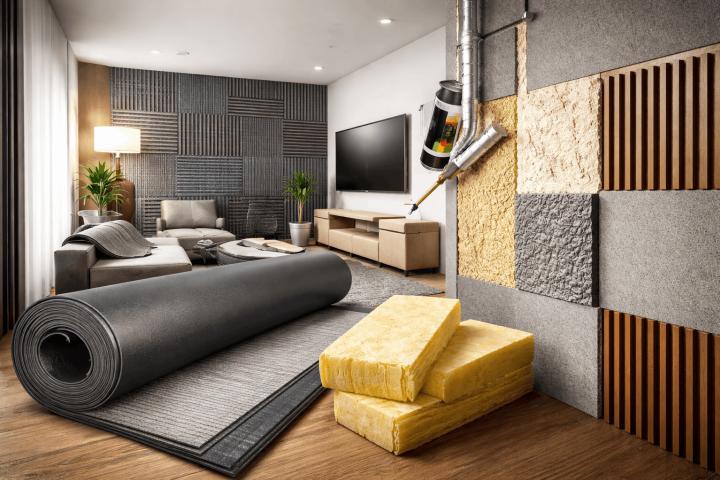
Fiberglass sound insulation is manufactured from fine glass fibers formed into a dense, wool-like structure. These fibers trap air and absorb sound waves, preventing them from transmitting through walls, ceilings, and floors. Unlike traditional insulation materials, fiberglass is lightweight, fire-resistant, and moisture-resistant, making it suitable for a wide variety of professional and residential applications.
The material’s ability to absorb both airborne and impact noise makes it a top choice for designers and architects looking to optimize acoustic comfort.
Key Types of Fiberglass Acoustic Products
Below given are some of the types of fiberglass. Check them out:
Wall-mounted Acoustic Panels
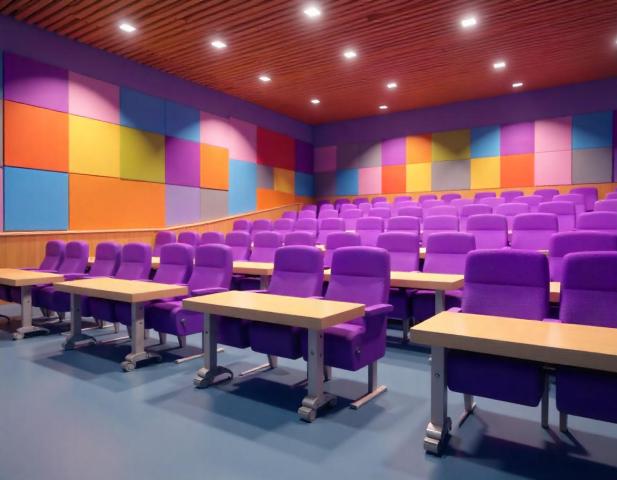
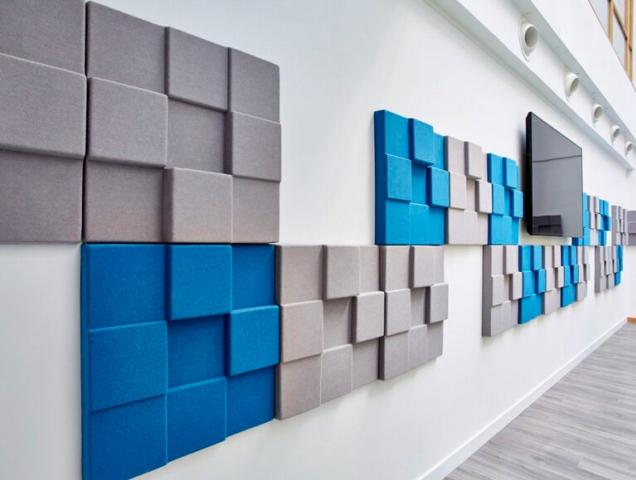
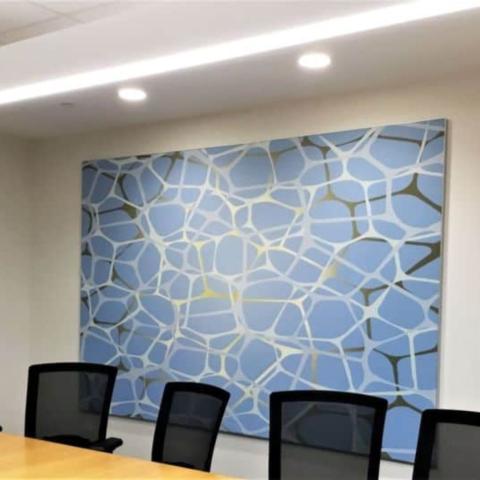
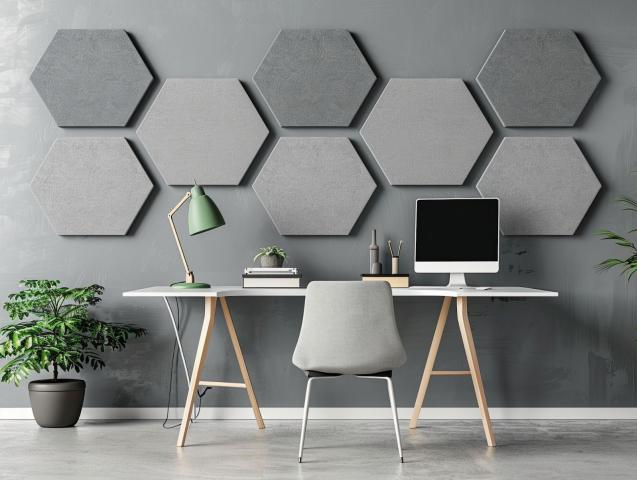
Fiberglass acoustic panels are installed on walls to minimize echo and reverberation. Commonly used in offices, auditoriums, and home theaters, these panels come in varying densities and thicknesses, allowing precise control over different sound frequencies.
Sound Absorbing Panels
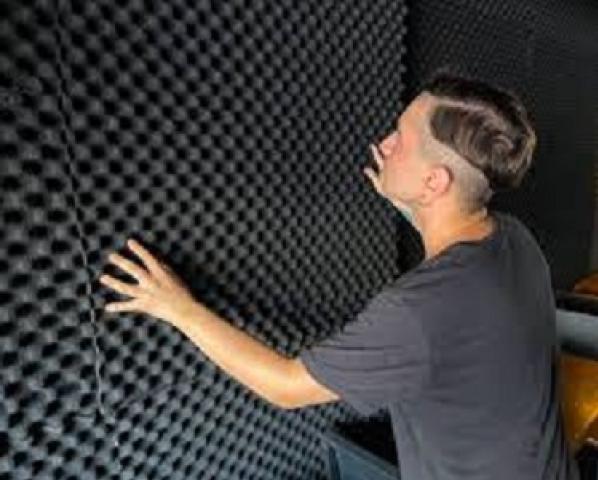
Fiberglass sound-absorbing panels are designed to capture and reduce noise, improving speech clarity and overall sound quality. Schools, conference rooms, and performance spaces frequently utilize these panels to maintain acoustically balanced environments.
Suspended Ceiling Solutions
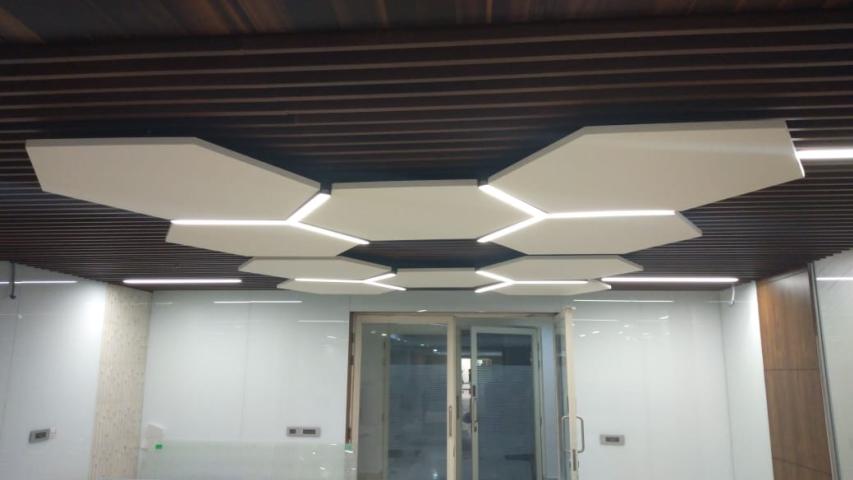
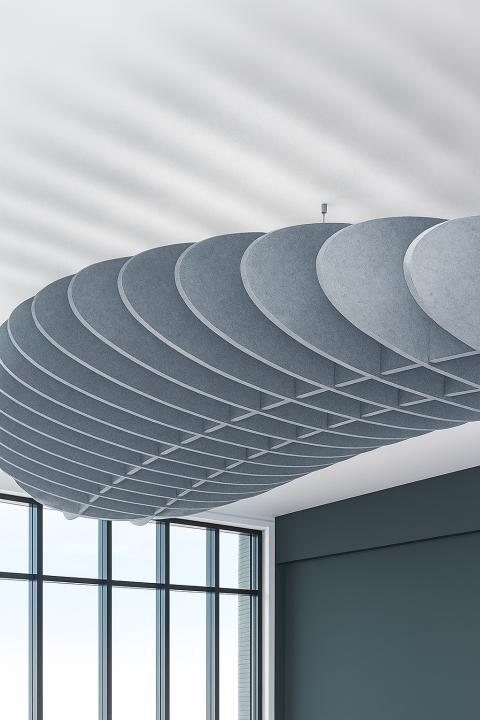
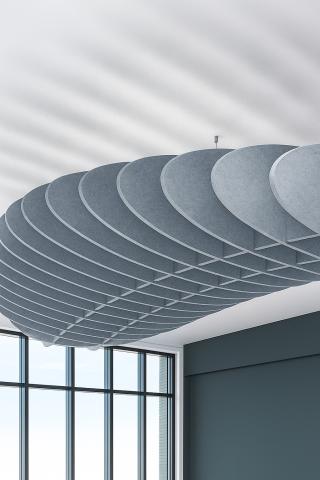
Fiberglass suspended ceiling tiles offer both acoustic and thermal benefits. These tiles fit into ceiling grids and are widely used in commercial spaces, hospitals, and schools. They help absorb sound in large areas while maintaining a clean, professional aesthetic.
Experience reliability and creativity with Tranquil Global.
How Fiberglass Controls Sound?
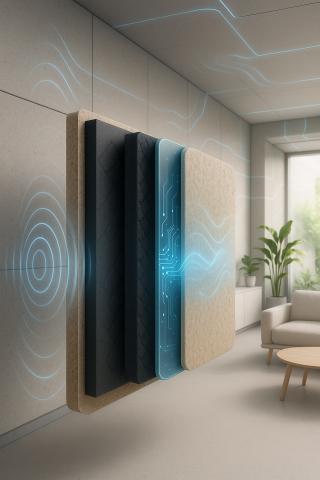
The structure of fiberglass sound insulation is engineered to disrupt sound waves. The fine fibers create air pockets that trap noise, converting sound energy into a small amount of heat. This reduces the intensity of noise transmission while limiting echo and reverberation. Unlike hard surfaces such as concrete or glass, fiberglass absorbs sound instead of reflecting it. This principle is why fiberglass acoustic panels, sound absorbing panels, and suspended ceiling tiles are highly effective in spaces with hard surfaces or high ceilings.
Applications Across Industries
Fiberglass sound insulation is versatile, finding applications in multiple sectors:
Residential: Homeowners use fiberglass acoustic panels and sound absorbing panels to reduce traffic noise, create media rooms, or enhance bedroom comfort.
Corporate: Offices employ fiberglass suspended ceiling tiles to decrease distractions, improve speech intelligibility, and enhance employee productivity.
Education: Classrooms, lecture halls, and auditoriums rely on fiberglass acoustic panels to maintain an optimal learning environment.
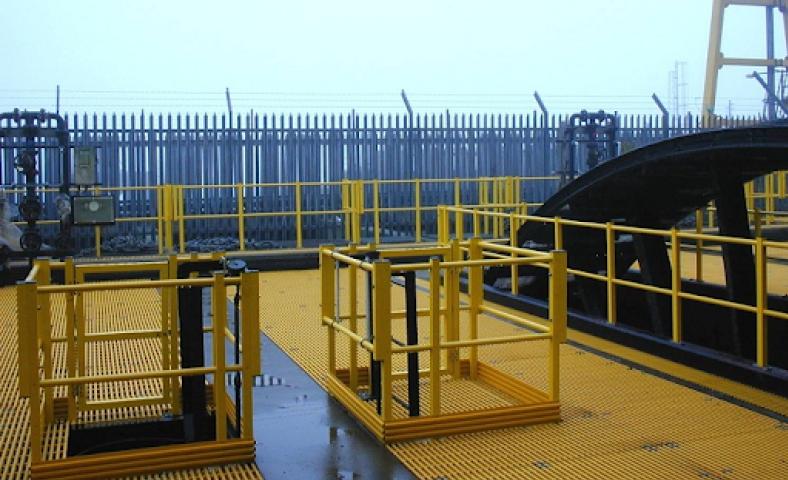
Industrial: Factories and warehouses use fiberglass sound insulation to reduce machinery noise, ensuring safety and comfort for workers.
Entertainment: Recording studios, theaters, and cinemas depend on fiberglass sound absorbing panels for precise sound control and high-quality audio performance.
Advantages of Using Fiberglass
Choosing fiberglass sound insulation provides numerous benefits:
Effective Noise Reduction: Minimizes echo, reverberation, and sound transmission.
Durable and Lightweight: Panels and tiles are easy to handle and maintain.
Fire Safety: Non-combustible material suitable for commercial and residential environments.
Moisture Resistance: Prevents mold and mildew growth, ensuring longevity.
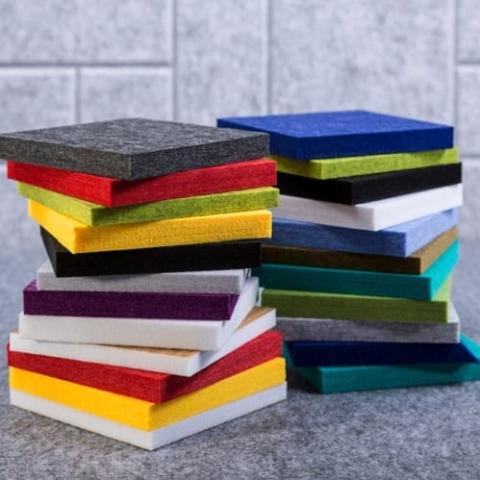
Design Flexibility: Fiberglass acoustic panels and suspended ceiling tiles are available in various colors, textures, and finishes to complement modern interiors.
Installation Best Practices
Proper installation ensures maximum performance for fiberglass sound insulation:
Wall Panels: Mount fiberglass acoustic panels using adhesives or mechanical fasteners for targeted sound reduction.
Ceiling Tiles: Drop fiberglass suspended ceiling tiles into pre-installed grids for full coverage of large areas.
Maintenance: Regular dusting or vacuuming is sufficient. Fiberglass retains its shape and sound absorption capabilities over time.
Sustainability and Health Considerations
Many modern fiberglass sound insulation products incorporate recycled glass, making them environmentally friendly. Fiberglass is also recyclable at the end of its lifespan and does not emit harmful chemicals or VOCs, contributing to healthier indoor air quality.
Selecting the Right Fiberglass Solution
When choosing between fiberglass acoustic panels, sound absorbing panels, or suspended ceiling tiles, consider:
Acoustic Requirements: Different panels target different frequency ranges.
Design Preferences: Products are available in multiple finishes and colors to match interior aesthetics.
Space Considerations: Ceiling tiles are ideal for broad coverage, while wall panels address localized noise issues.
Consulting with an acoustic professional ensures optimal selection and placement for maximum performance.
Conclusion
Fiberglass sound insulation is a strategic solution for modern spaces, providing effective noise control, durability, and aesthetic versatility. Whether through fiberglass acoustic panels, sound absorbing panels, or suspended ceiling tiles, it enhances comfort, productivity, and quality of life across residential, commercial, and industrial environments.
Investing in fiberglass solutions is not only about reducing noise—it’s about creating spaces that are functional, safe, and enjoyable for everyone who uses them.
Connect with Tranquil Global and start building better spaces.