India is undergoing a massive transformation in the way people handle financial transactions. Digital payment systems are no longer limited to cities; they are now becoming an important part of rural and semi-urban areas. At the center of this change is AEPS software, which stands for Aadhaar Enabled Payment System software. It allows people to make secure financial transactions using just their Aadhaar number and biometric authentication. This simple system has brought banking services closer to millions who once had little access to formal financial institutions.
What is AEPS Software?
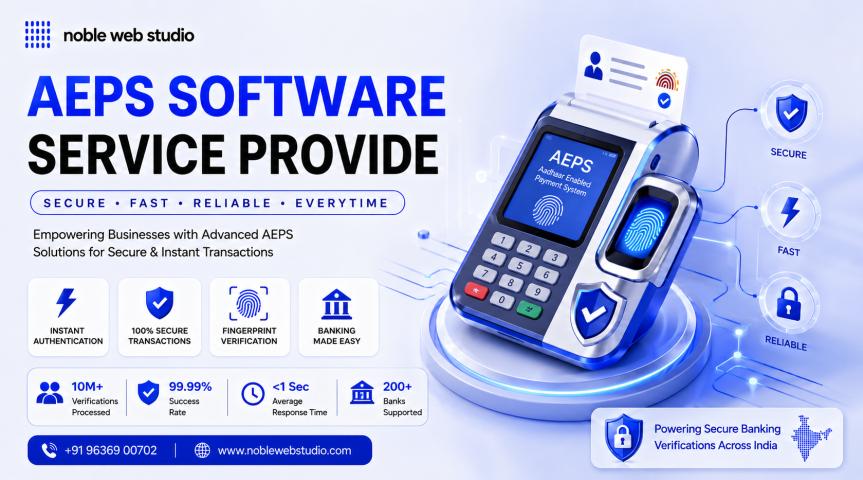
AEPS software is a digital payment solution developed under the guidance of the National Payments Corporation of India (NPCI). It enables basic banking services such as cash withdrawals, deposits, balance inquiries, and fund transfers using Aadhaar-linked bank accounts. Instead of needing an ATM card or mobile app, customers can use their Aadhaar number and fingerprint at local business correspondents or agents to carry out transactions. This makes banking easy and accessible for people even in remote villages.
Why AEPS Software is Important for India
India is home to a large population that still relies on cash-based transactions, especially in rural areas. Many villages do not have banks or ATMs nearby, making financial services difficult to access. AEPS software bridges this gap by bringing digital banking to the doorstep of people. Shopkeepers, small retailers, and local agents can act as banking points where customers can carry out transactions. This not only saves time but also builds trust in digital payment systems.
How AEPS Supports Financial Inclusion
Financial inclusion means providing access to useful and affordable financial services to all, especially the underbanked. AEPS software has become a powerful tool in this mission. By allowing rural citizens to withdraw or deposit money without visiting a bank branch, AEPS encourages more people to use formal banking channels. It also reduces dependence on cash-only transactions and helps people enjoy the benefits of a digital economy. For women, senior citizens, and people living in remote areas, AEPS has become a reliable way to manage finances securely.
AEPS and Small Businesses
Small shopkeepers and local retailers play a key role in AEPS adoption. With AEPS software, they can become banking agents offering services such as cash withdrawal and balance inquiry. This helps them earn extra income while also providing a valuable service to their community. It also increases customer footfall, as people come to their shops not just for goods but also for financial transactions. This model has made AEPS an important business opportunity as well as a service for society.
The Role of Technology in AEPS Software
The strength of AEPS software lies in its secure integration of Aadhaar authentication, biometric technology, and digital payment processing. Every transaction is authorized using biometric verification, making it highly secure and trustworthy. The system works seamlessly even in areas with limited internet connectivity, which is crucial for rural adoption. As more fintech companies and developers work on improving AEPS platforms, the technology continues to become faster, safer, and more user-friendly.
AEPS and the Digital India Mission
The Indian government’s Digital India program aims to make every citizen digitally empowered. AEPS software plays a direct role in achieving this vision. It ensures that banking services reach every corner of the country and supports the larger goal of a cashless economy. From direct benefit transfers to subsidy distribution, AEPS is helping ensure transparency and reducing leakages in government schemes.
Challenges in AEPS Adoption
While AEPS has achieved great success, it also faces challenges. Technical glitches, lack of awareness, poor internet connectivity, and biometric mismatches are some common issues. Many people in rural areas are still hesitant to trust digital systems fully. To overcome these challenges, training programs, awareness campaigns, and better infrastructure are necessary. Fintech companies and AEPS software providers are constantly working on solutions to make transactions smoother and more reliable.
Future of AEPS in India
The future of AEPS software looks promising as India moves deeper into the digital age. With increasing smartphone usage, better internet connectivity, and growing trust in digital platforms, AEPS will become even more common. Integration with other digital payment systems like UPI, BBPS, and mobile wallets will further expand its reach. In the coming years, AEPS is expected to become a key pillar of India’s digital economy, ensuring that no one is left behind in the financial revolution.
Conclusion
AEPS software is not just a technological tool; it is a bridge connecting millions of Indians to the digital banking world. By providing easy, secure, and accessible financial services, it has changed how people in rural and semi-urban areas handle money. As more businesses, agents, and fintech companies adopt AEPS, India’s vision of a cashless and inclusive economy comes closer to reality. For anyone looking to enter the digital payments sector, partnering with a reliable AEPS Software provider is the key to success.