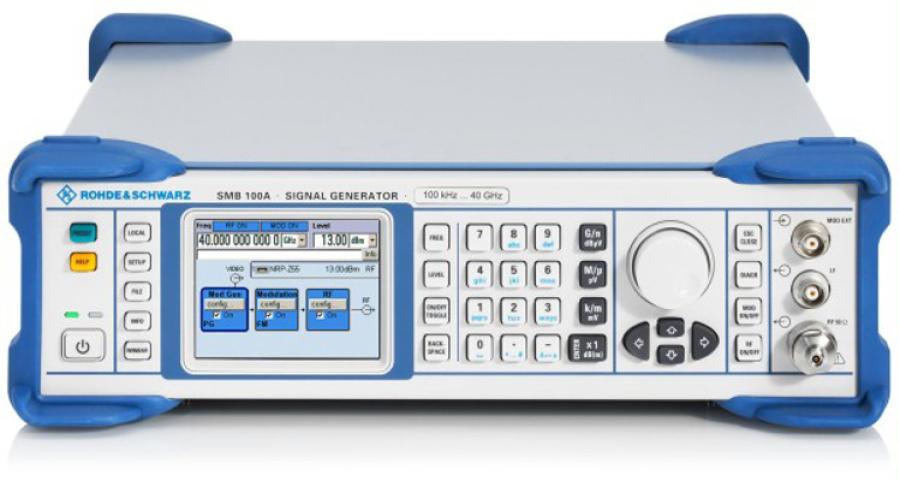
In the silent, humming laboratories where the future of technology is built, one instrument is indispensable: the signal generator. This unsung hero of electronics is the master craftsman of waves, meticulously creating the electrical signals that engineers use to test, validate, and pioneer everything from the next-generation smartphone to deep-space satellite communications. Its evolution is directly tied to the breakthroughs it helps enable.
According to Straits Research, the global signal generator landscape was valued at USD 1644.44 million in 2024 and is projected to reach from USD 1774.35 million in 2025 to USD 3259.96 million by 2033, growing at a CAGR of 7.90% during the forecast period (2025-2033). This steady and robust growth is fueled by the relentless rollout of 5G infrastructure, the advent of 6G research, the expansion of the Internet of Things (IoT), and the increasing complexity of automotive electronics.
Key Players and Technological Arms Race
The field is dominated by established titans of test and measurement, each pushing the boundaries of precision and capability. Keysight Technologies (USA) remains a foremost leader, consistently launching instruments with unparalleled frequency range and signal purity. Their recent updates focus on software-defined versatility, allowing a single generator to emulate a vast array of complex real-world signal scenarios for aerospace and defense applications.
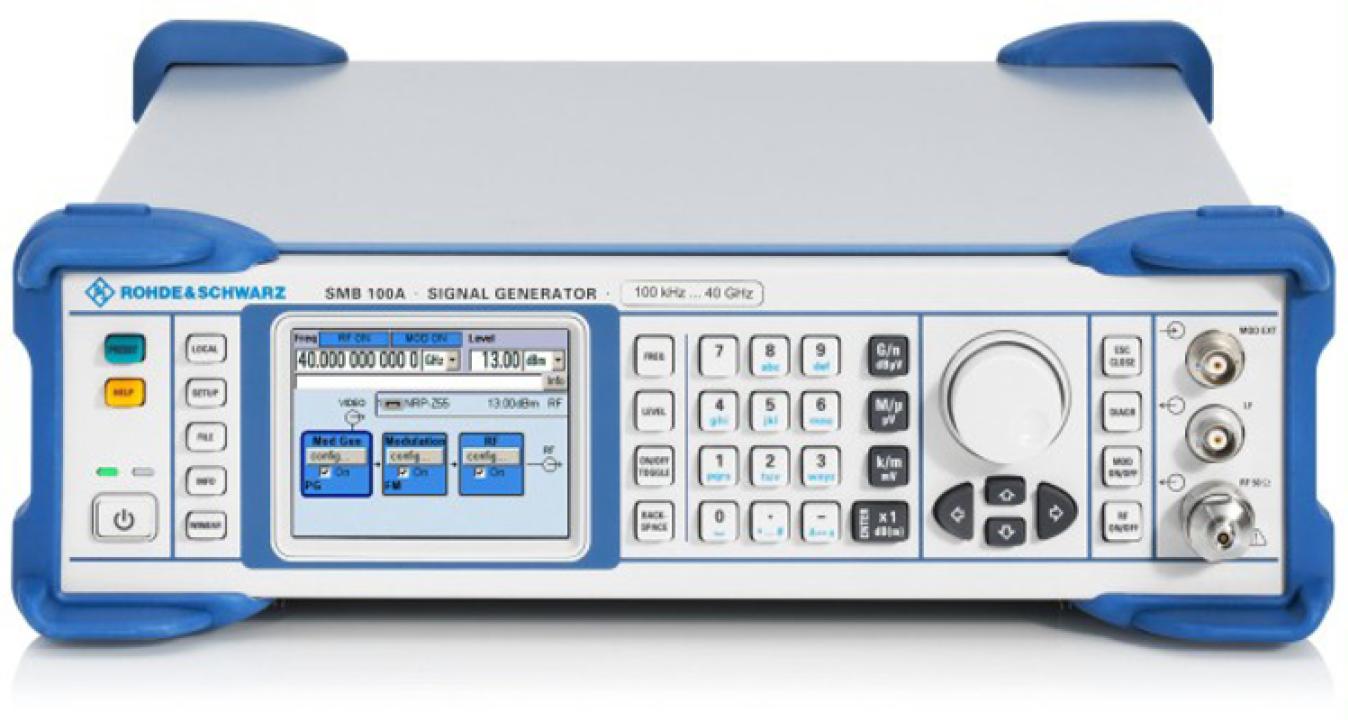
Rohde & Schwarz (Germany) is another global powerhouse, making significant strides in wireless communications testing. Their latest signal generators are engineered to meet the extreme requirements of 5G NR (New Radio), supporting massive MIMO and complex beamforming tests that are essential for network equipment manufacturers. Similarly, Anritsu (Japan) has strengthened its position with compact, high-performance solutions tailored for field technicians and manufacturing test floors, emphasizing portability without sacrificing accuracy.
Emerging Trends: Software-Definition and Integration
The most significant trend is the shift towards software-defined architectures. Companies like National Instruments (USA), now operating as NI, pioneered this approach with their PXI platform, where modular signal generators are controlled by powerful software, offering incredible flexibility and integration within automated test systems. This allows for rapid reconfiguration to test different standards, a critical advantage in fast-paced R&D environments.
Another key trend is the integration of signal generation and analysis. Leading players are developing combined instruments that can both generate complex signals and analyze the output of a device under test, streamlining the workflow for engineers and reducing bench space. This is particularly evident in the automotive sector, where testing advanced driver-assistance systems (ADAS) and radar requires tightly synchronized signal creation and capture.
Global Developments and Recent News
The competition is truly global, with strategic moves shaping the industry. In a significant recent development, Teledyne Technologies (USA) acquired a smaller specialist in high-frequency components, a move analysts see as bolstering their in-house capability to produce more integrated and advanced signal sources.
From China, companies like Ceyear are advancing rapidly, supported by national initiatives in semiconductor and telecom technology. They are increasingly competing in the mid-range segment, offering capable alternatives for cost-sensitive applications. In Europe, a consortium including Rohde & Schwarz and academic institutions recently announced a breakthrough in generating ultra-stable terahertz signals, paving the way for future 6G and scientific research applications.
Summary
Signal generators are the fundamental tools breathing life into electronic design and testing, evolving to meet the demands of 5G, IoT, and automotive innovation. Global leaders like Keysight and Rohde & Schwarz are driving progress with software-defined and highly integrated instruments, while new players emerge to contest the expanding field. Their development is a critical barometer for the health and direction of the entire technology sector.